Physical Address
304 North Cardinal St.
Dorchester Center, MA 02124
Physical Address
304 North Cardinal St.
Dorchester Center, MA 02124


The process of building a startup is really exciting. I vividly remember my first experience in growing the team of a business organization. The focus was on selling, product creation, marketing activities, and raising money, but almost no one considered one very important thing that would decide about the future success – onboarding.
Founders spend days and nights trying to find the right person, and then fail to keep this person after a few months, because the onboarding process was poorly managed. In fact, according to many researches on working environment, employees tend to quit their jobs in the first year of working for different reasons. Among other factors, a lack of a proper recruiting and onboarding program increases employee turnover rates drastically.
The key to success for any startup is a team. Even the most innovative idea will be unsuccessful if inappropriate staff will join this company or will fail to integrate with other colleagues. Unfortunately, the majority of startups make the same mistakes over and over again when they hire new employees. Some businesses are hiring immediately, while others pay too much attention to CVs of candidates.
For those looking to launch a start-up without incurring unnecessary recruiting costs, these are the most common mistakes you could make and how to effectively prevent them from happening.
The most common mistake made by most start-ups is hasty recruitment due to urgent hiring requirements. It can become quite tempting when you’re under time pressure and facing deadlines to simply rush into a hasty decision about hiring the next qualified person. I realize the pressure since having an open position will affect your ability to perform tasks as required, which could disrupt other employees and cause more problems than necessary. Hasty hiring decisions have a tendency to lead to further issues that weren’t present initially.
When you only focus on hiring immediately, you’ll miss out on important evaluations, including your technical abilities, interpersonal communication, work ethic, and long-term compatibility. One bad hire could end up costing your organization tens of thousands of dollars in terms of the initial recruitment cost, lost productivity, wasted training costs, and much more. According to numerous HR groups, replacing one employee ends up costing 30% to 200% of their annual salary.
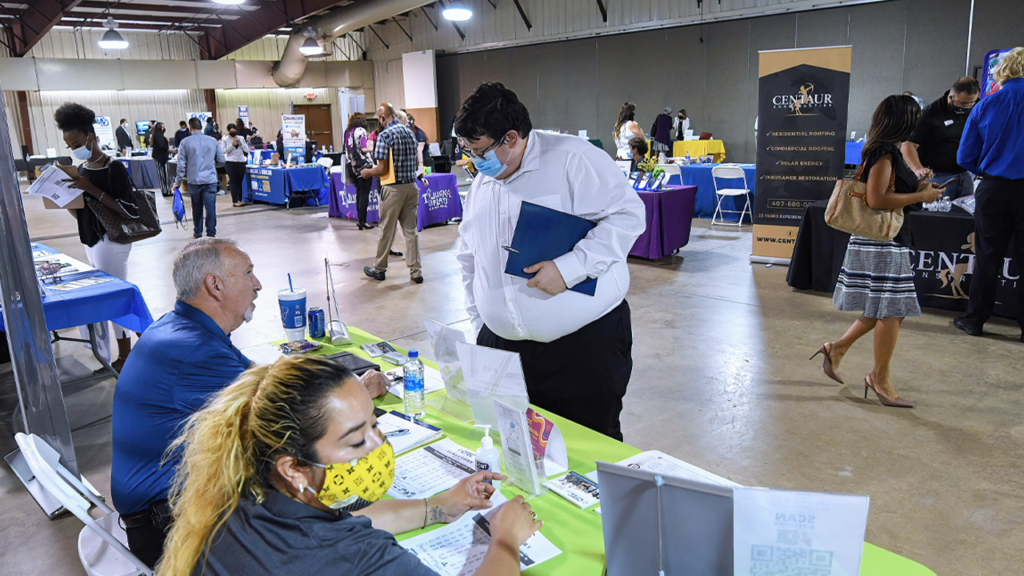
Rather than doing things quickly, establish an onboarding process. It’s going to cost you far less to spend a little extra time evaluating candidates than it would to spend months fixing a poor hiring decision.
While skills can always be taught, attitude is far more difficult to alter.
Many times I have met exceptionally competent candidates with great resumes who ended up leaving an organization because they simply didn’t fit with the culture or way of life in that particular organization. Hence, during recruitment and even onboarding, cultural fit needs to be taken into account seriously.
Culture has a big impact on how communication, problem-solving, collaboration, and overcoming of challenges takes place within a company. People who thrive in startup environments with plenty of change can easily get lost in more structured environments. And similarly, a person who enjoys instructions will probably not enjoy the challenges of working for a startup.
The idea isn’t to hire people who will agree with everything; rather, it is about recruiting people who share the vision of the company but with unique ideas.
Another common recruiting error which still continues to surprise me is skipping on verifying references as interviews yield sufficient information about candidates. While interviews are helpful, they only give you a piece of information about a candidate’s professional background.
A reference can help you find out things you might not have learned through interviews. Managers and co-workers from your candidate’s past may tell you about their dependability, teamwork, leadership skills, punctuality, and problem-solving capabilities. This knowledge will help you determine whether this person is really a right fit for the job position.

When choosing products, we often read hundreds of reviews and spend hours making an informed decision, although we talk about purchasing an expensive cell phone. However, some businesses hire candidates without conducting any check on them at all. It does not usually end up well.
The procedure itself should not be complicated. Some carefully chosen questions will give you important information protecting your company from making costly mistakes.
The first mistakes companies make regarding hiring starts when they write a vague job advertisement. If management lacks clarity about the job requirements, candidates won’t either.
Companies I have dealt with before used generic job descriptions filled with buzzwords without mentioning their true requirements. Consequently, they attracted candidates who had different expectations from the company, which led to disappointment on both ends.
For a successful recruitment campaign, you need to set clear responsibilities and performance goals; mention what skills are required from a candidate and what future opportunities are available. Such criteria must be discussed during onboarding process.
Role definition increases employees’ productivity since they understand what they need to achieve. It prevents misunderstandings and allows for better management.
In modern business, markets are getting increasingly globalized and interconnected. This is why diversity is not just another catchy term, but a valuable competitive asset.
According to numerous studies conducted by reputable consulting firms, companies that hire diverse employees tend to perform better than their competitors when it comes to innovation, efficiency, and decision-making. Each person sees the world differently, hence providing diverse perspectives for more effective problem solving.
As I review successful startup companies, I can spot a common trait in most of them – they try to diversify their workforce and include people of different backgrounds and experience.
Diversity enables organizations to understand better the needs of potential customers, thus preventing problems related to the phenomenon of group think. In addition, diverse workforces can be built with the help of inclusive recruitment and onboarding process, helping everyone feel equally important and included.

One of the most amusing myths about recruiting is the assumption that one can only be hired if he/she had performed the same job before. But if this was the case, no one would ever switch jobs!
The most productive employees are those who have transferable skills, as opposed to industry experience. Communication, leadership, project management, adaptability, customer service, and problem solving are just some of the skills which may prove more useful than industry knowledge.
I have seen professionals move from teaching careers to training roles in corporations; from hospitality to sales; and from customer support roles to managerial ones successfully, due to the skills they gained in other industries that would have been missed by hiring processes.
New companies gain much by hiring individuals with different experiences, since they are likely to offer new approaches to tackling problems.
Education does indeed play an important role, but not the only one.
Some organizations automatically disregard candidates without particular degrees, regardless of how many years of experience and accomplishments these candidates have. It may lead to the loss of valuable employees.
Sometimes the real-life performance of employees shows skills that are impossible to obtain from any certification. Such qualities as persistence, EQ, creativity, flexibility, and management skills often play a bigger role in success than degrees.
A good decision during hiring involves a balanced combination of education, experience, attitude, and accomplishments. Employers must continue assessing their employees’ application of their education during the onboarding process.
Top performers know what they are worth.
Sometimes, startups think that candidates will accept low compensation because of their mission and great vision. Although vision and company culture matter greatly, money still plays a big role for almost every employee.
A compensation package includes not just salary but also other benefits like flexible schedule, professional growth, bonuses, work-life balance, etc.
If compensation offered by the organization is way below the average level, it becomes hard for startups to recruit and retain top performers, despite having a great onboarding process.
Investment in employees usually brings good returns.
Trust is necessary in any working environment, but it should never come without verification.
Background checks help employers verify an employee’s employment history, credentials, certificates, and any other information. At times, such checks reveal inconsistencies that can be discussed before making the final decision regarding a candidate’s hiring.
Although not all positions require an elaborate background check, a startup must set up a standard procedure based on common industry practices.
An efficient process helps both the organization and its workers by maintaining transparency and accountability.

No one works for a company only because of a job. People come to a company for a future there.
Nothing makes ambitious professionals leave a company quicker than having no clear vision of their future in terms of development, learning, and promotion.
I have always recommended to discuss career growth at the stage of onboarding. Workers need to know what is available to them in the company concerning their future.
Seeing their future in the company, people are motivated and more likely to stay with you. Failing to show them their future will make them look for it somewhere else.
There is no question that a good hire will make the best investment for any startup. The reason for that is simple – each member will impact the culture, efficiency, satisfaction of customers, and future success of the company. Most startups prioritize hiring, but the reality is quite different – the onboarding experience makes all the difference when it comes to retaining or losing valuable talent.
Successful startups do not act hastily just because they are hiring immediately to fill vacancies. These businesses look into their potential hires very thoroughly, check references, embrace diversity, understand that transferable skills are important, and provide room for advancement. Some even rely on a hiring agency specializing in finding talent to help them out.
In my experience, what usually separates winning startups from others does not have anything to do with budgets. Instead, it has everything to do with making good decisions when it comes to hiring and investing resources in the success of hires.
By taking an approach that prioritizes strategy over urgency, you will build a great startup team that will stay with the company for a long time to come.

Share your details, and we will get back to you shortly!
This will close in 0 seconds
Share your details, and we will get back to you shortly!
This will close in 0 seconds






[…] 10 Costly Onboarding Process Mistakes That Can Seriously Damage Your Startup’s Growth […]