Physical Address
304 North Cardinal St.
Dorchester Center, MA 02124
Physical Address
304 North Cardinal St.
Dorchester Center, MA 02124


Defining your Ideal Customer Profile (ICP) is the key to all successful client acquisition plans. Without knowing who you wish to serve, your marketing efforts are disjointed, your message is generic, and your sales process is needlessly lengthy. Imagine your ICP like the blueprint that guides all of your decisions—branding and content generation, sales pitches, and customer service. By making your business revolve around a clearly defined customer profile, you don’t just get any customer; you get the right customer —the one who appreciates your services, is willing to pay for them, and is more likely to remain loyal in the long run.
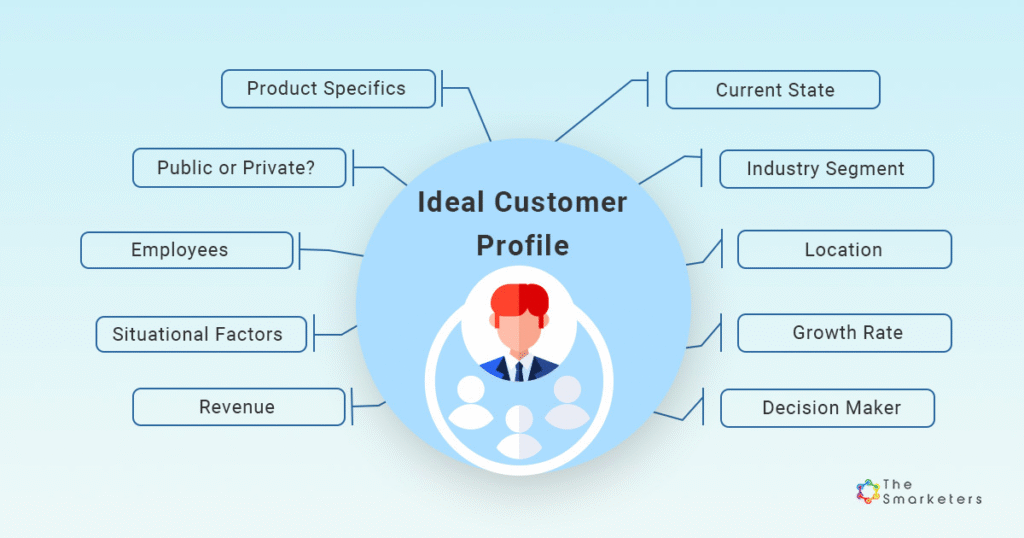
Emotional client understanding changes your strategy from transactional to relational. By getting into the nitty-gritty of their nightmares, aspirations, values, and mundane challenges, you become more than just a service provider–you become a trusted advisor. Understanding your customer inside-out implies that you can predict their needs, sympathize with their issues, and provide solutions that resonate at a personal level. This not only raises the conversion rate but also creates stronger customer relationships, which result in repeat business and voluntary referrals.
What sets thriving businesses apart from failing ones is how deeply they have researched their clients. It isn’t about age and income levels on the surface—it’s about psychographics: what matters most to them, what they are losing sleep over, and what drives them to take action. Begin by observing their online activities, reading reviews of competitors by customers, participating in the communities they visit, and directly participating in discussions to learn their language, frustrations, and wants.
Successful client management starts before the first contract is ever signed. When you enter a discovery call already having information about the customer’s industry, pain points, and objectives, you immediately establish yourself as someone who “gets it.” This foundation not only impresses customer but enables easier onboarding and quicker results. Keep in mind: the more you understand about a customer in advance, the more customized—and thus effective—your service delivery is.

Branding is not logos and color schemes; it’s the emotional footprint of your company. A brand that resonates on an emotional level with your target market is magnetic. Each piece—your voice, your visual identity, your customer experience—needs to be speaking in a consistent way to the values and desires of your ideal customer. If your branding is generic or disconnected, you will fail to gain momentum regardless of how great your services are.
When your brand is new to a prospect, the interaction must be seamless and validating. Becoming a paying client is smoother when your branding has established credibility and trust ahead of time. Good branding comforts customers in their decision-making, making onboarding easier and eliminating hesitation or buyer’s remorse.

Your first clients usually come from your inner circle—those who know, like, and trust you. Instead of cold-selling, make investments in forging real relationships. Attend industry functions, join professional organizations, and connect authentically on platforms like LinkedIn. Share freely your expertise without expecting instant return; eventually, those relationships organically become opportunities. Your attitude should be one of service, not desperation.
LinkedIn is an innovative professional networking resource. It’s not, however, just about gaining connections—it’s about nurturing them. Comment respectfully on statuses, congratulate on successes, and provide beneficial advice without selling your services. This establishes you as a go-to expert in your network. When clients do eventually need your services, you’ll be the one they think of, and it is so much easier to handle these relationships because trust has already been built.

Your Unique Value Proposition (UVP) is that which differentiates you in a competitive marketplace. It says it out loud, “Why should a client retain your services versus anyone else?” In order to build a great UVP, focus on specific outcomes you deliver, the emotional payback to your customer, and the unique method or perspective you bring to bear. Your UVP should be so attuned to the needs of your dream customer that they feel as if you had written it especially for them.

Good customer service is no longer a luxury—it’s a necessity. Make sure that your UVP not only communicates what you do but how you make the client experience easy, fast, and beneficial. Offering proactive digital support—such as live chat, rapid email support, or customer portals—separates you and guarantees future customers that doing business with you will be a hassle-free, stress-free experience.
Your website is your 24/7 salesperson. In the age of digital, it’s usually your first—and sometimes only—opportunity to make a good impression. A clean, professional, mobile-optimized website conveys credibility and instant trust. Every aspect of your website—from the home page to the contact form—must be purposefully designed to lead visitors to take action, whether that’s booking a call or signing up for a free trial.
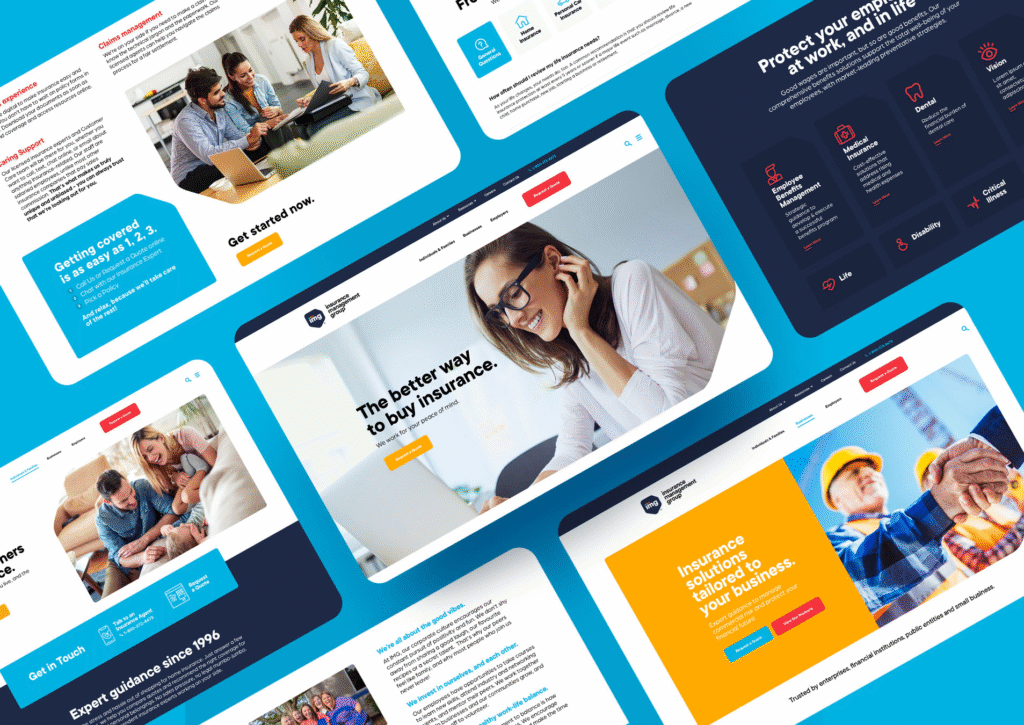
“Contact Us” CTAs are so yesterday. Your calls-to-action need to speak to client desires and elicit emotional reactions. “Let’s Tackle Your Greatest Challenge Together” or “Get Personalized Solutions Now” work so much better because they speak to customer needs and motivate action in the moment.
Social media is not just about brand awareness—it’s a powerful vehicle for direct customer acquisition. By posting regularly useful, authentic, and audience-specific content, you stay top-of-mind with potential clients. Social media platforms like Instagram, LinkedIn, and Facebook allow you to showcase your expertise, make your brand human, and engage in two-way conversations with your audience.
When you create content, visualize every post being a mini-conversation with your ideal client. Write to their challenges, share the solutions, let them glimpse what goes on behind the scenes sometimes, and emphasize customer victories. Sincerity is the way to go for social media; the human-er you act, the relatable you get, and therefore the more appealing you are to your ideal customer.
Exceptional service doesn’t begin after the sale—it begins the instant a prospective client contacts you. First impressions last. Prompt, courteous, and detailed replies establish the tone for the entire customer relationship. Each email, message, or phone call is a chance to show dependability, professionalism, and concern.
Proactive client handling—such as regular updates, follow-throughs, and need forecasts—builds colossal loyalty. Customers will remember how you handled them, not what you did for them. By always delivering premium service, you become not just a supplier but an ideal friend, earning long-term associations and more referrals.

Most sales are made after multiple touchpoints. Giving up hope with one or two follow-ups is likely leaving opportunity on the table. Persistence shows professionalism and dedication—qualities clients admire. The distinction is persisting without aggressiveness by always providing value and keeping the relationship alive.
Instead of sending generic “just checking in” emails, send tips, information, or brief personalized video messages. Smart, considerate follow-ups demonstrate that you care more about their needs than about making a sale. When the potential customer is ready, choosing you will be the easy, natural next step.
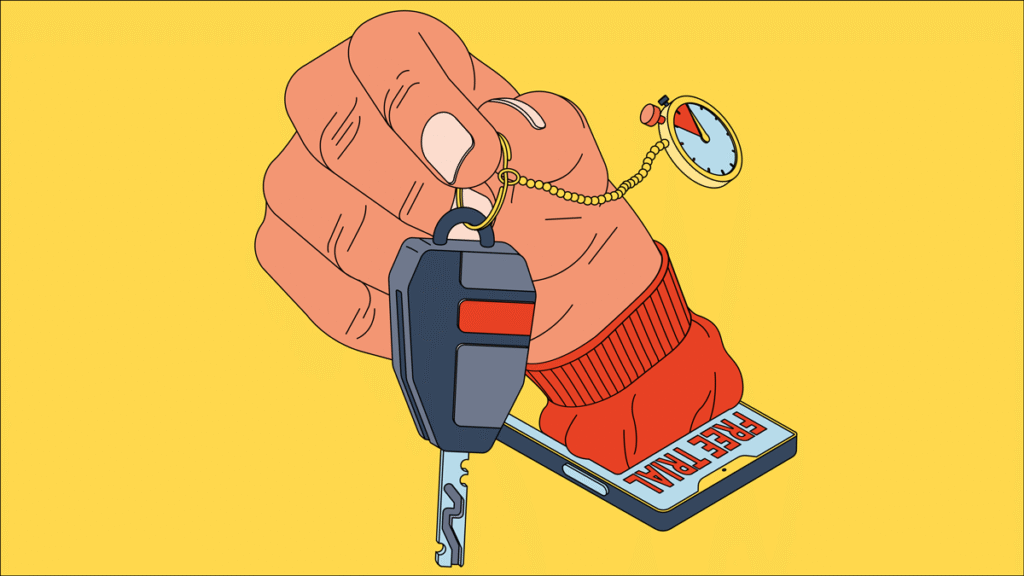
Offering free trials, consultations, or samples gives prospective clients a risk-free way to experience your value. It speeds up trust building and compresses the sales cycle. Even if they don’t convert immediately, your initiative and professionalism make lasting positive impressions that often result in referrals down the line.
Referrals bring in customers of the same caliber as individuals who already love your services. Therefore, of course, your customer base gets closer to your ideal customer profile over time. Every happy customer becomes an ambassador, bringing you closer to having a business full of your dream customers.
Creating a successful customer base isn’t a matter of luck—it’s a combination of strategic planning, profound empathy, and persistent action. When you invest in really knowing your ideal customer, creating a brand that speaks to them, and providing extraordinary customer experiences from day one, getting customers becomes not an occasional occurrence but a repeatable, sustainable process. Take the journey with heart, patience, and perseverance, and you won’t just land your first client—you’ll create a thriving business.

Share your details, and we will get back to you shortly!
This will close in 0 seconds
Share your details, and we will get back to you shortly!
This will close in 0 seconds