Physical Address
304 North Cardinal St.
Dorchester Center, MA 02124
Physical Address
304 North Cardinal St.
Dorchester Center, MA 02124


When most people consider “how to sell online course”, they immediately think that they must have a professional website to start. Having a website is beneficial in the long term, but it’s definitely not necessary to start making money from your expertise. Actually, most successful course creators begin without having a site whatsoever. The solution is in knowing how to use existing platforms and tools—and utilizing them wisely. If you’re curious how to sell your online course without having a website, following are seven efficient methods that can assist you in getting started and making sales quickly.
Numerous course creators are afraid to start due to the assumption that they need a website. The truth is, sites cost time, money, and a decent amount of technical expertise. But what actually moves the sales is your capacity to connect with your people, establish credibility, and demonstrate the worth of your course. Tools like Facebook, Instagram, YouTube, and email marketing software already provide you with everything you need to do this. So don’t get bogged down in website-building mode. Keep your eye on what counts: your message, your content, and your audience.
Social media sites are among the most effective means of promoting and selling courses, particularly when you’re just beginning. Facebook, Instagram, LinkedIn, and TikTok provide access to massive audiences—and they’re all free to use.
You can begin by sharing materials relevant to the subject matter of your course. Share helpful advice, a behind-the-scenes sneak peek into creating your course, feedback from beta testers, or even bite-sized lessons. Use Instagram Stories, Facebook Groups, and LinkedIn Posts as starting points for connecting with your ideal market. Once you generate traction through engagement, you can have users buy your course through a link on your preferred payment processor or via websites such as Gumroad, Payhip, or even WhatsApp.
Email remains one of the most converting marketing tools. You can even begin building an email list without a website using free software such as Mailchimp or MailerLite. Simply build a basic landing page with a form, provide a free lead magnet (such as a brief guide or free lesson), and begin collecting emails.
When you have a list, you can send out occasional emails that inform, motivate, and ultimately sell your course. The thing to remember is to offer value with each email and present a definite call to action when you’re ready to sell. You don’t have to have a huge list—just an active one.
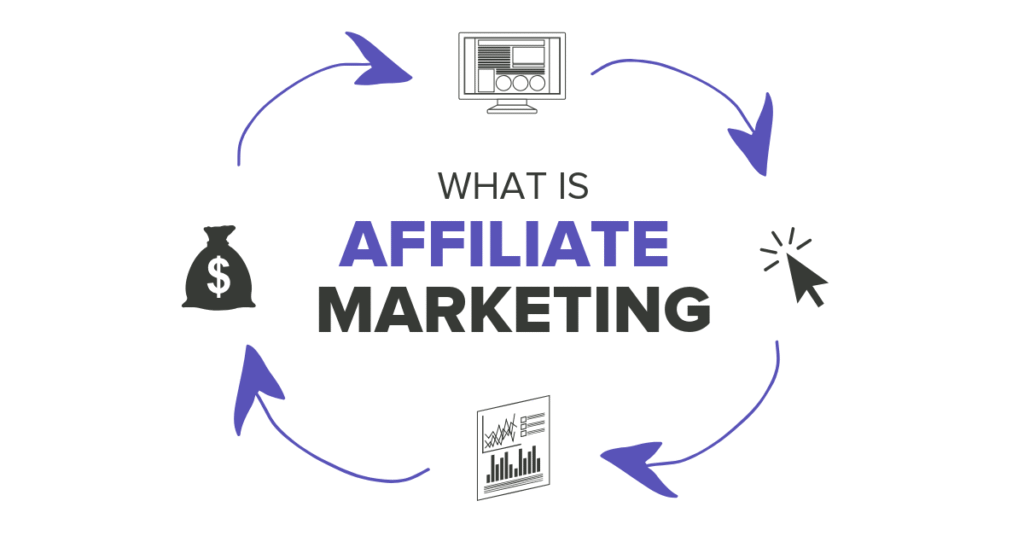
Affiliate marketing has the potential to be a game-changer. What it does is enable other individuals to promote your course for a commission. You therefore leverage audiences beyond your own audience. Even without a website, you can have an affiliate program set up through Gumroad, Teachable, or ConvertKit Commerce.
Contact bloggers, influencers, or content creators in your niche and reward them for marketing your course. A thoughtful affiliate plan can produce a steady traffic and sale volume without requiring you to handle all the promotions alone.
There are online course websites such as Udemy, Skillshare, and Teachable, which provide plug-and-play infrastructure to sell and host your courses. They provide built-in crowds, payment solutions, and tools for course administration—freeing you from hours of work.
Though these sites will take a share of your income, the traffic and exposure they bring can be worth it. For newbies without a site, these sites are a perfect place to start to get popularity and establish credibility.
YouTube is the world’s second-largest search engine, and it’s totally free to use. If you feel at ease on camera, making informative videos based on your course subject can get a huge following and send traffic to your course page or checkout link.
You don’t need to invest in fancy gear—your phone and decent lighting will suffice. Be valuable, respond to the most frequently asked questions, and always sign off with a call to action, like “Watch the full course—link in the description.”
It may sound counterintuitive, but providing a free mini version of your course can actually lead to selling more of the full version. Once people get a taste of the value you’re offering, they’re more likely to pay for the full course.
You can share the free course through Google Drive, private YouTube links, or even PDF guides. Then, at the conclusion of your free content, there is a soft pitch for your premium version. This creates trust and demonstrates your expertise without the need for a website.
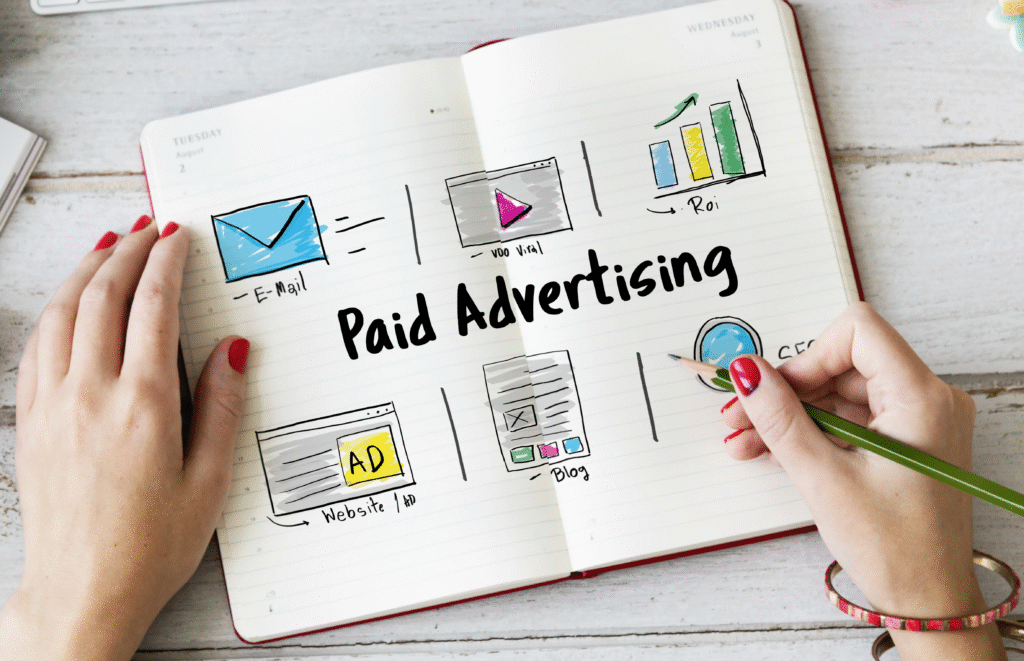
You don’t have to spend an enormous amount of ad money to begin to see results. Sites like Facebook and Instagram provide you with the ability to place highly targeted ads for anywhere from $5 per day. The secret is to make an attractive offer and target the right crowd.
Rather than drive traffic to a site, drive people to a checkout page (such as Payhip or Gumroad) or even a WhatsApp/DM session. Ensure your ad creative directly addresses your audience’s pain points and emphasizes what your course will enable them to do.
If you are selling courses related to the health or medical area—such as online medical assistant programs—there’s a market that’s more than booming out there. With more people looking for online, flexible alternatives to traditional education, platforms like Coursera, edX, and even specific health training marketplace sites can be ideal places to host these types of courses.
Target your marketing at the career prospects offered by your course. Emphasize certifications, employment opportunities, and practical skills. You may also collaborate with education influencers or career coaches to market your product.
Selling a course without a website might seem impossible at first, but it’s actually one of the best ways to validate your idea before investing time and money into a full website. I’ve used nearly every method above and watched course creators go from zero to full-time income without ever touching WordPress or hiring a developer.
The largest lesson about how to sell online course Without a Website? Begin where you are. Utilize the tools available to you. Center on individuals, not platforms.
Q: Can I sell a course solely through Instagram or Facebook?
Yes, numerous creators utilize Instagram and Facebook to construct audiences and sell directly through payment links or DMs.
Q: What is the best platform to host my course if I don’t have a website?
Gumroad, Teachable, and Podia are great options. They handle hosting, payments, and even email communication.
Q: Is it better to launch for free first or go straight to a paid course?
If you’re starting from scratch, offering something free can build trust and prove demand. Once people see your value, they’re more likely to pay.

Share your details, and we will get back to you shortly!
This will close in 0 seconds
Share your details, and we will get back to you shortly!
This will close in 0 seconds