Physical Address
304 North Cardinal St.
Dorchester Center, MA 02124
Physical Address
304 North Cardinal St.
Dorchester Center, MA 02124

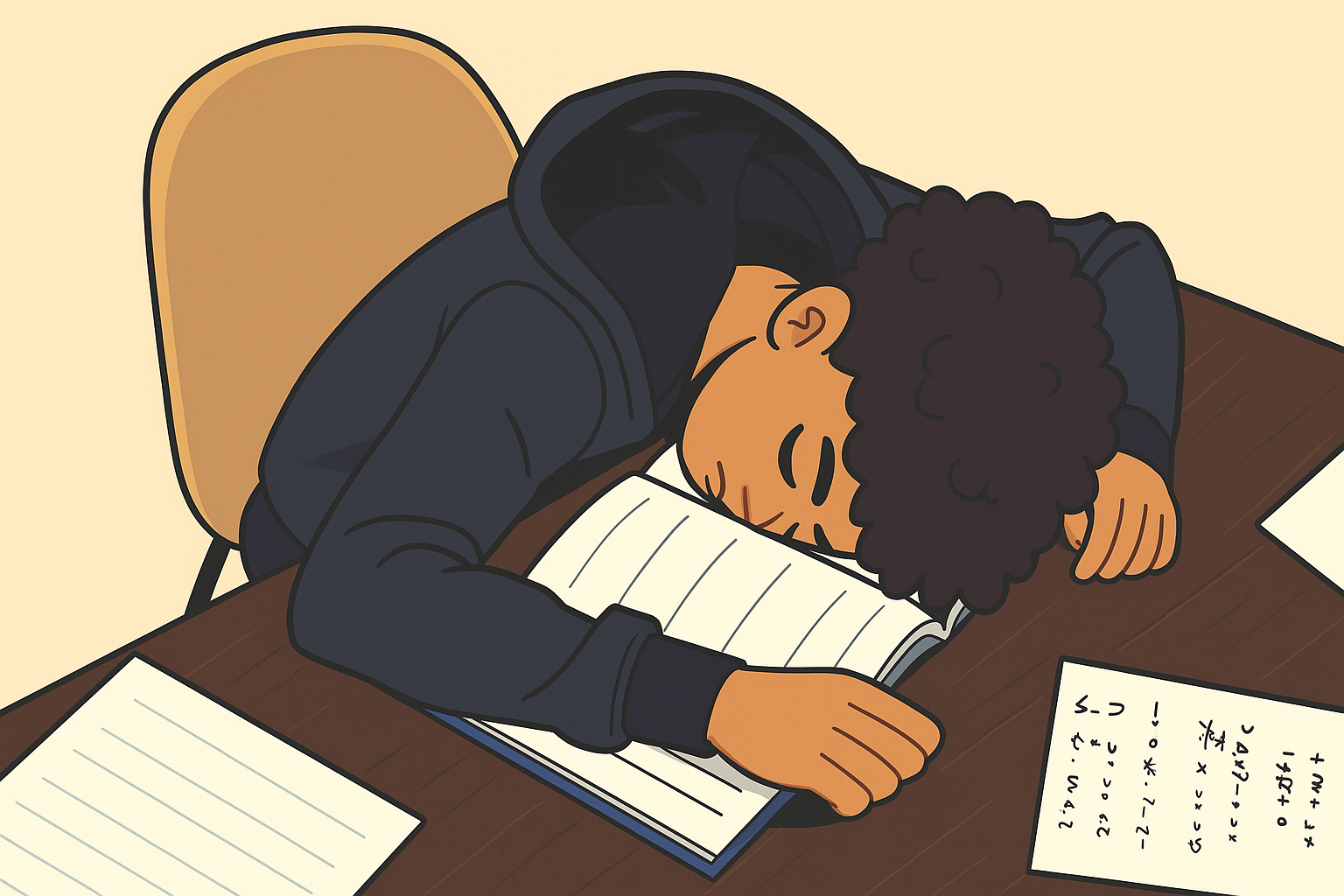
Studying is not all about reading your textbooks until your eyes are sore. I’ve discovered over the years that clever studying is less about hard work and more about planning. I would spend long hours stuck in my notes, but I couldn’t recall half of what I had read. It was infuriating! That’s when I began investigating how to study best, and I knew that a couple of straightforward changes in my strategy could revolutionize my outcomes.
Here at this blog, I am posting the 10 study tips that have proven to work wonders for me. They are easy, achievable, and supported by experience and research alike. Whether you are in school, university, or picking up a new skill at work, these good study habits can get you learning quicker, remembering more, and less stressed along the way.
One of the good study habits I ever has for my studies was making a realistic study plan. Rather than studying everything in one sitting, I break down my subjects into smaller segments over days. This makes it simpler to digest and prevents me from burning out.
I prefer the use of a physical planner since putting things down on paper helps me remember, but you can also utilize apps such as Google Calendar or Notion. Consistency is the key. For instance, I take my most alert hours in the morning for hard subjects and reserve the easier ones for later in the afternoon.
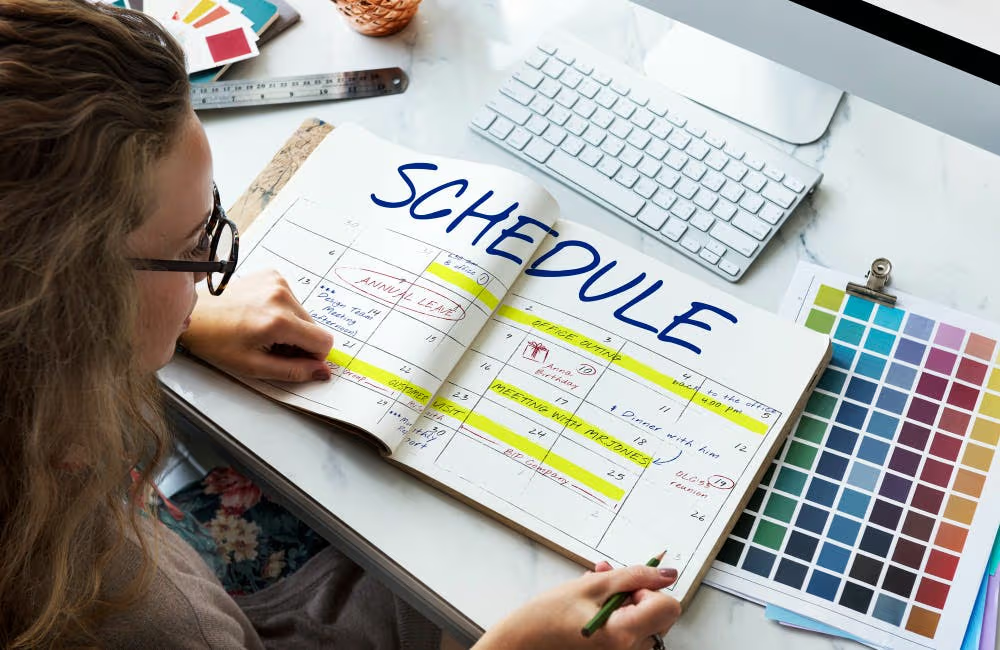
A study schedule isn’t so much about making your life inflexible as it is about providing you with a clear blueprint so you don’t spend time daily deciding “what to study next.”
If you’ve ever attempted to study for hours straight without a rest, you understand the mental haze that comes afterwards. That’s why I’m a firm believer in the Pomodoro Technique—25 minutes of concentrated studying interspersed with a 5-minute break. After four repetitions, I take a longer break of 20–30 minutes.
In those brief pauses, I stay away from my phone since browsing social media can easily consume half an hour without you even knowing it. I stretch, get water, or go around the room instead. These micro-breaks keep my mind alert, so it becomes simpler to take in information.
When I initially began studying seriously, I thought that re-reading my notes over and over was sufficient. Spoiler alert: it wasn’t. We all learn differently—some prefer reading, others hearing, and others learning through doing.

Personally, I diversify:
The secret is experimenting with various ways until you discover your sweet spot. This is one of the best tips and tricks I can suggest for long-term retention.
Flashcards have been my trusty study tool for years when it comes to subjects that involve memorization. Whether it’s vocabulary words, formulas, or dates, flashcards ensure recall is speedy and enjoyable.
I make mine on index cards, but programs such as Anki and Quizlet make them more engaging with spaced repetition algorithms. This method compels me to repeat the answer rather than mindlessly reading it—reinforcing my memory each time.
This is an area most students neglect, and I was also guilty of it. I believed that depriving myself of sleep or skipping meals to study further would make me productive. I was mistaken.
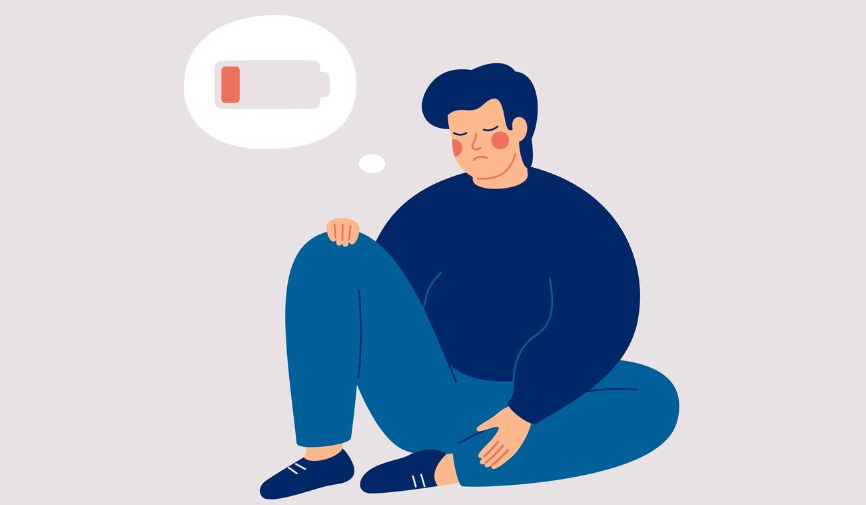
I realized that my brain functioned like a muscle—it requires proper fueling, rest, and pampering.
Furthermore, maintaining mental well-being is also very important. If I feel overwhelmed, I take a quick break, chat with a friend, or meditate. No grade is worth losing your well-being.
Self-testing is most likely to be the most effective way to learn. Rather than only reading over my notes, I test myself on the subject. This might be by using old papers, practice quizzes, or even trying to explain the subject to someone else.
It’s awkward initially because it reveals you precisely what you don’t know—but that’s the idea. The gaps you uncover are the ones you can work on prior to the actual exam.
A messy desk creates a messy mind—at least it does for me. Having my notes, books, and study area organized makes me think more clearly. I organize lecture notes, assignments, and resources using folders (physical and virtual).
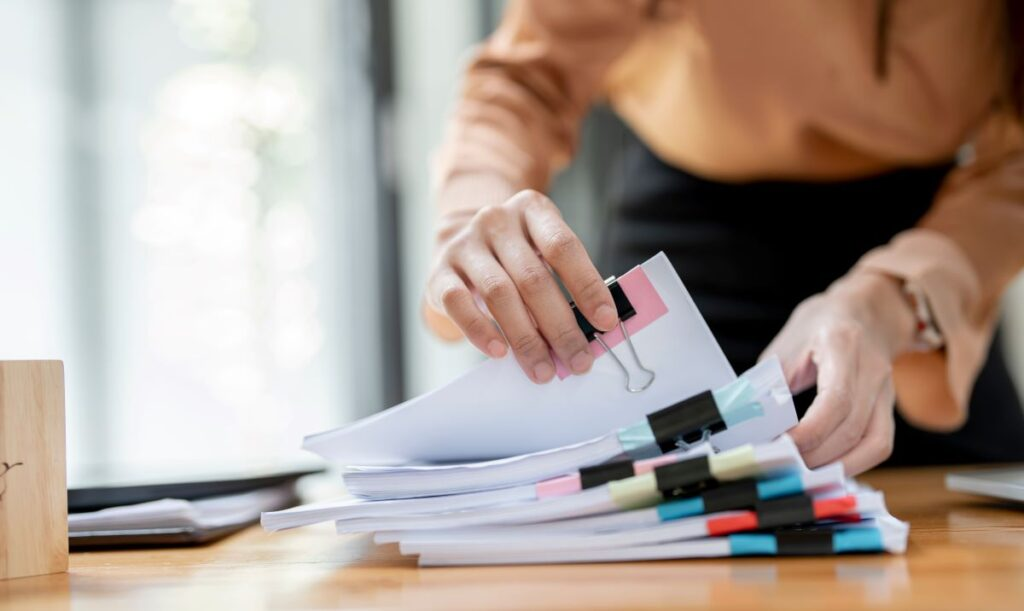
I also maintain a master deadline checklist, so I am never caught by surprise. Organizing saves me from such last-minute, panicky late-night cramming sessions before exams.
I used to think study groups were all about socializing, but they’ve become one of my go-to learning tools. When I learn topics with others, I get different perspectives and learn tips and tricks that I would never have thought of myself.
If you do join a study group, keep it on track—have a goal for every session and stick to it. And if you can’t locate a group that is compatible, start your own.
This was something I took years to realize. We tend to put off doing the hardest things, promising ourselves we’ll “do it later,” but later never arrives.
Now, I address my toughest subject or assignment earliest in the day when my brain is sharp. Once completed, all the other work seems less difficult—and my anxiety level decreases dramatically.
Lastly, attitude trumps you more than you realize. When I approach studying with the attitude of “I’m horrible at this,” I’ve already lost. Instead, I remind myself that each little bit adds up.
I reward myself when I finish a study session too—sometimes it’s a cup of coffee, a quick episode of my favorite TV show, or just a moment of chill time. These small treats keep me going.
Learning isn’t a sprint, it’s a marathon. These tips on best ways to study aren’t about working yourself to the bone but about developing a system that suits you. They have become second nature to me over time and have served to keep me consistent, confident, and stress-free.
If you can remember only one thing from this blog, let it be this: balance is key. Your grades are critical, but your physical health and mental health are also crucial. A well-rested, healthy mind learns more easily, retains longer, and has more fun.
So go for it—select a few of these good study habits, give them a try this week, and notice how your learning experience changes.

Share your details, and we will get back to you shortly!
This will close in 0 seconds
Share your details, and we will get back to you shortly!
This will close in 0 seconds