Physical Address
304 North Cardinal St.
Dorchester Center, MA 02124
Physical Address
304 North Cardinal St.
Dorchester Center, MA 02124

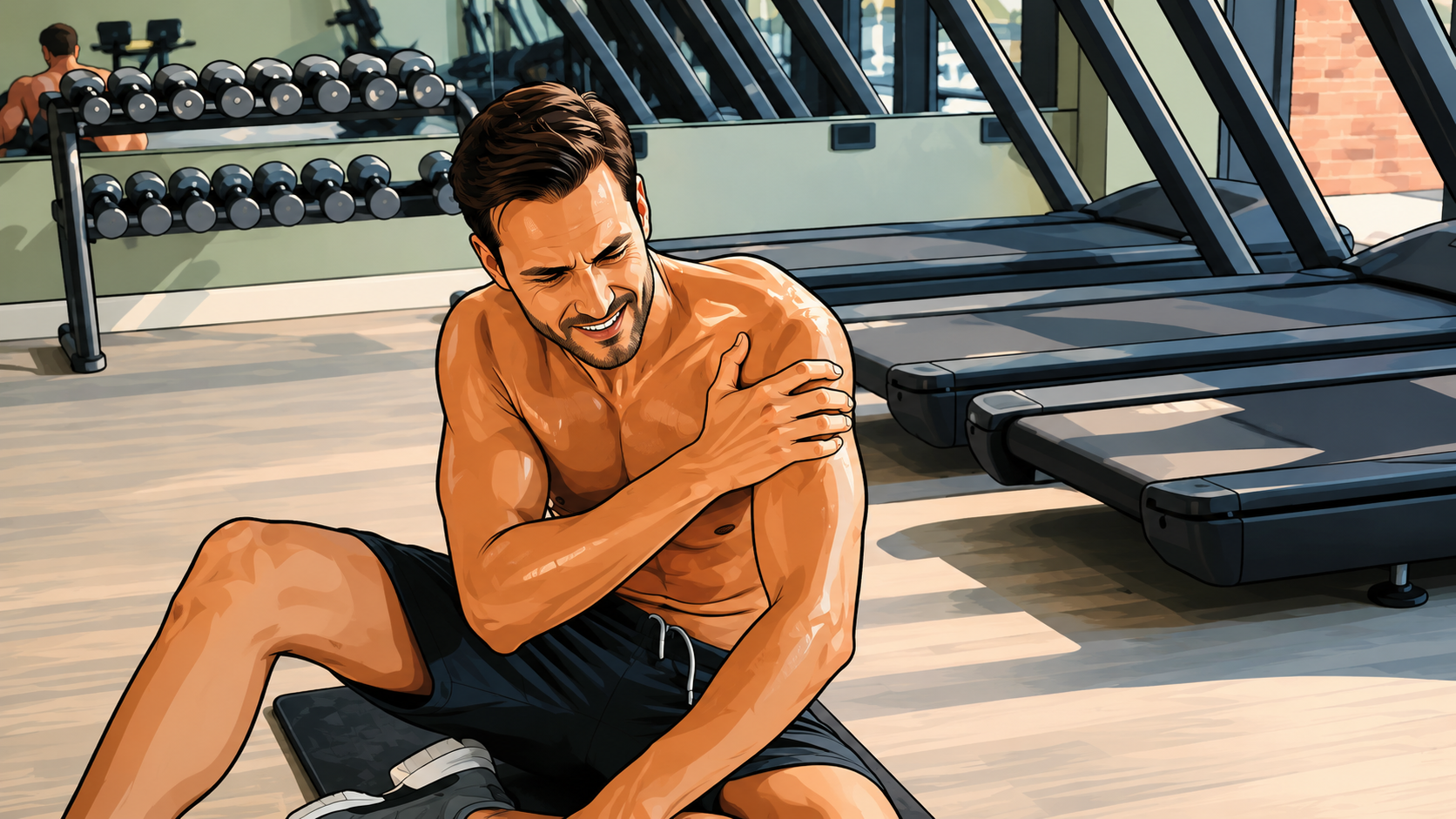
Somehow, between all the productivity tricks, motivational workout videos, pseudo-productivity apps where you pretend to optimize your life while turning into a walking zombie with a sore back, and a culture where you can only sleep once you are successful, somewhere down the line, society made people believe that rest equals weakness. This is precisely why muscle recovery is one of the most underrated subjects in fitness, productivity, and even mental performance.
Feeling tired? Work even harder. Body hurt? Exercise harder. Feel mentally exhausted? Use one more productivity tool. The internet marketed the grind culture for so many years that it made exhaustion synonymous with your character. But by 2026, this attitude is changing, and let’s be honest, it’s about damn time.
In retrospect, the modern lifestyle seems really peculiar once you start thinking about it. Everyone starts their day exhausted, spends the entire day sitting and staring at different screens, drinking too much caffeine, working out on an empty tank of energy, training as though they are preparing for an audition for the latest Marvel movie, and then wondering why their bodies seem to be completely wiped out by the end of the day. The problems are rarely a result of laziness, lack of discipline, and motivational issues. Many people simply fail to understand the need for proper rest.
Today, recovery does not involve only sportspeople. Instead, it has evolved into an entirely new concept that is closely related to stress management, optimization of sleep patterns, prevention of burnout, and overall long-term performance. This realization might sound strange to many, but the bottom line is that motivation helps start a routine; however, muscle recovery helps maintain that routine without frying oneself from excessive strain.
Interestingly, the most successful people are those who do not force themselves to give their best every single day. Instead, they are the ones who know how to achieve a balance in life and practice sustainable habits and recovery practices. While the online world is obsessed with the “grind,” no one cares to post how burnout slowly chips away their focus, motivation, sleep quality, gym results, and mental acuity. Unlike motivational videos and early morning workouts, muscle recovery is the underappreciated system that allows high achievers to continue performing.
What is truly bizarre about the current state of affairs in the gym is how common gym fatigue is. People crack jokes about how they can barely move their legs the next day after their leg day, having to rely on pre-workouts because they cannot survive without them, or taking an entire week to recover from one single gym session. All of it is funny until it stops being so. There is a difference between normal muscle soreness and constant fatigue.
In truth, however, the repercussions of fatigue at the gym extend beyond affecting one’s workout performance alone. It creeps into other aspects of your life as well, resulting in poor sleep, lack of focus while working, frequent energy crashes, mood swings, motivation loss, and no self care. Not because they have no willpower, but because their body simply hasn’t recovered from the strain put upon it throughout the entire period. Fitness culture tends to talk of “training intensity,” but never mentions the importance of muscle recovery intensity.
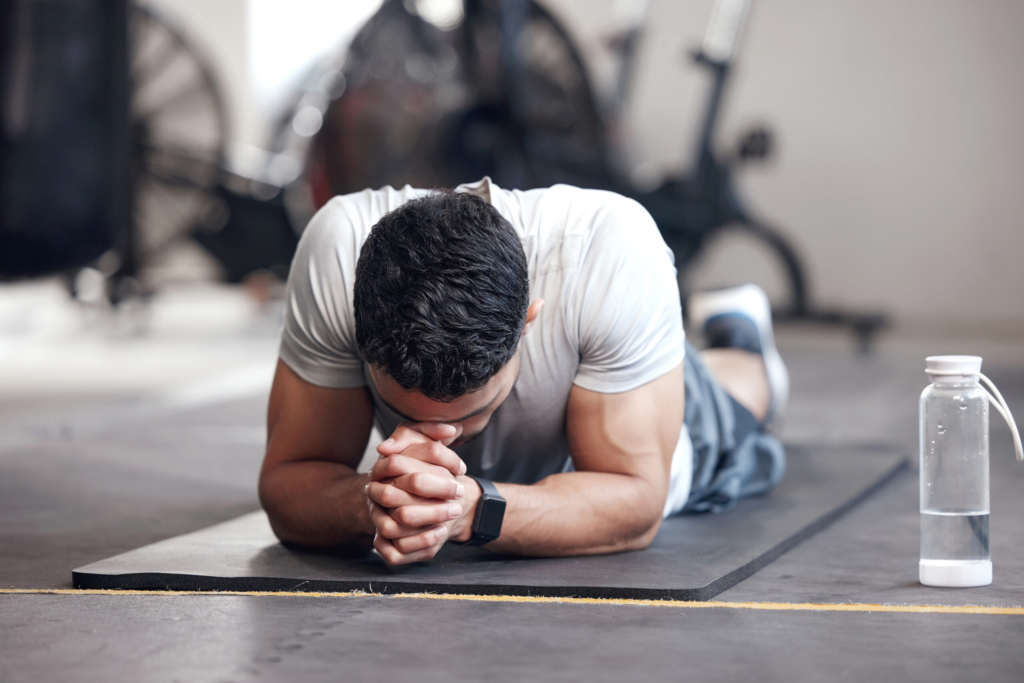
This problem only gets compounded by today’s digital lifestyle, where many people lead lives packed with work, notifications, side hustles, screens, stress, and burnout altogether. The nervous system doesn’t get to switch off. The so-called “rest day” becomes just another day of physical exertion coupled with mental overload. All this results in an odd sensation of having both a sore body and a fatigued mind. One is constantly tired yet expected to keep up with a high level of productivity.
In the end, everyone does precisely the opposite of what their body is asking for. People take more caffeine. They sign up for an extra system. They buy an additional supplement. Or they tell themselves that all they really need is some motivation. And the body is basically writing its formal letter of resignation. Good muscle recovery practices are not viewed as mandatory but as luxury. This is, unfortunately, the very reason fitness burnout has grown in popularity among individuals recently.
It’s easy to get addicted to motivation because it’s empowering. Motivation makes you feel alive. Motivation pumps you full of temporary excitement and makes you feel like you are about to turn your life around overnight. This is the primary reason why motivational content is so popular on the Internet. Motivation is exciting and emotionally fulfilling. Recovery is boring, but nobody does a fancy video edit about hydrating, sleeping well, stretching properly, or workout recovery.
It seems like successful athletes, artists, entrepreneurs, etc., do just “work harder” than everyone else. However, quite a few of them actually “recovered better”. Professional athletes dedicate an incredible amount of time and effort to muscle recovery, sleeping, therapy sessions, recovery practices, mobility training, stress reduction techniques, hydration, and nervous system recovery since they know one thing which other people seem to forget: performance depends on recovery, too. And sooner or later, the body will collect the price of every missed recovery sign.

The importance of this statement becomes even more obvious in 2026 due to the convergence of the two spheres, namely fitness and productivity. People realize that physical energy and mental energy are inseparable entities. Not recovering properly is not only harmful to physical fitness but also hinders creative thinking, concentration, emotions, sleep, decision-making, and much more. If your body is exhausted, then your mind will be exhausted as well.
And that’s precisely why muscle recovery practices are growing in popularity today. More and more individuals are turning away from sporadic “rest days” and adopting recovery practices such as sleep optimization, cold showers, magnesium recovery routines, stretching, relaxation techniques, mobility workouts, and nervous system management. There is no longer just “trying harder.” What we aim for here is creating a balanced approach that allows us to recover and perform without the two being in constant opposition to each other.
For a long time, the notion of self care would primarily imply skincare routines, fancy candles, expensive coffee, and the idea that everything will become okay once you purchase an expensive beige notebook. Yet today’s culture of self care is moving in another direction. People are learning to associate wellness not only with skin and face masks but with better performance, reduced stress levels, muscle recovery practices, and improved cognitive functioning. And recovery is becoming an integral part of self care because people realize how physically tired our modern life is.
Another intriguing trend is the popularity of recovery practices. While previously people used to “rest,” now they seek out conditions that allow their bodies to recover both mentally and physically through techniques such as magnesium baths, lavender rituals, cooling devices, sleep recovery solutions, and stress relief practices aimed at relaxing the nervous system after grueling workouts at the gym or stressful days of mental labor. Although the idea seems straightforward, its rise can reveal an important shift in culture regarding burnout and high performance.
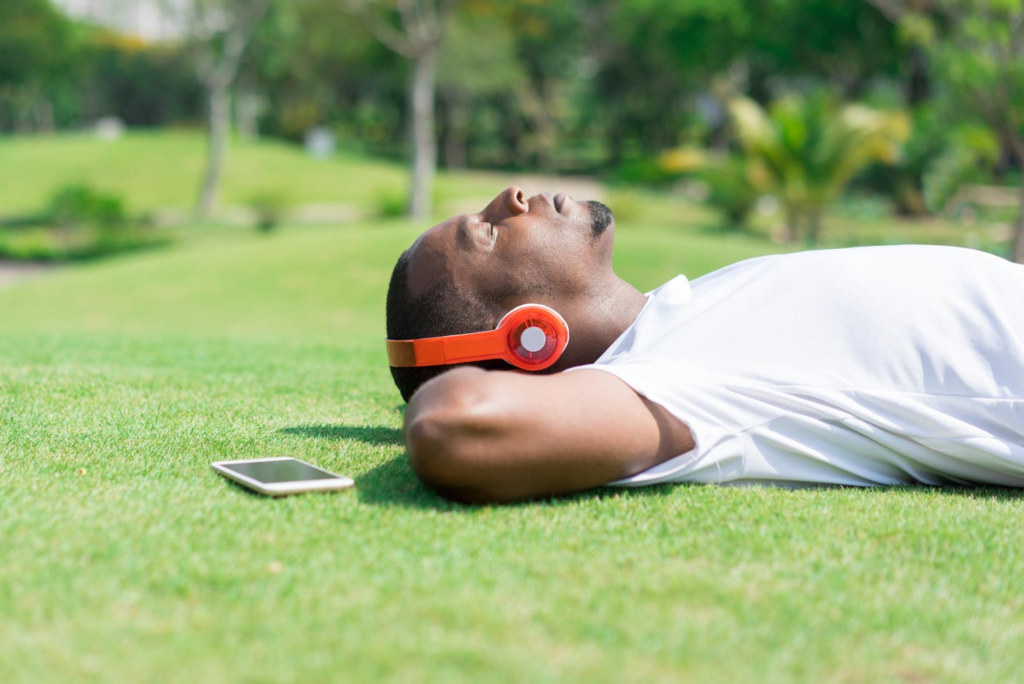
In terms of personal observation, what stood out most during my research about modern recovery techniques is the importance athletes attribute to actual relaxation processes. It is not procrastination or slothfulness, but actual relaxation practices. While most people do not realize it, their minds remain activated all day long, which means their brains never get a chance to relax. Moreover, their bodies continue working even while they are resting, meaning their energy levels get depleted gradually because of constant stimulation.
That’s why products centered around recovery routines become far more fascinating than they first seem. These are not products at all, but rather an entire shift into the realm of recovery culture. The best wellness trends out there don’t revolve around doing more. They revolve around improving peoples’ recovery from an exhausting lifestyle.
For too long, productivity culture was fixated exclusively on results – more systems, more apps, more routines. But people are waking up to a harsh truth – none of it can be optimized when you are physically and psychologically spent all the time. Burnout cannot be optimized forever. Bodies have their way of imposing a hard stop to everything.
This is why conversations regarding sleep, recovery, stress management, and energy management have been rising to prominence amongst entrepreneurs, creatives, developers, and remote workers. Optimal performance is not about managing time anymore, but rather managing energy. Recovery has, without fanfare, become one of the most powerful productivity tools precisely because of its impact on all other aspects of life. Focus, consistency, discipline, emotional regulation, creativity, and motivation are all strongly influenced by recovery.

One of the most amusing aspects of current hustle culture is the fact that people brag about breaking their sleep schedules while spending hundreds on expensive productivity tools to make themselves more efficient. This, however, leaves the body functioning as a phone stuck at 3% battery at all times. Often enough, recovery can help with issues that people believe can be solved through additional discipline or motivation.
That transformation is one of the key factors that make the fusion between wellness and productivity culture more likely in the year 2026. The future of performance isn’t necessarily one of continual high-intensity; instead, it involves sustainable energy levels, continued creativity, performance at the gym, and clear thinking. Those who can do all these things sustainably aren’t the ones who are working hard every day, but rather those who know how to recover in a world that demands exhaustion.
In today’s world, we reward performance; yet, unknowingly, we’re destroying those we try to perform. The incessant notifications, digital information overload, gym culture, work-related pressures, burnout, and social competition have combined to create an existence of always being “on.” Muscle recovery is critical in such a situation because stress has become a continuous experience, and humans are ill-suited to operate in that condition constantly.
This is the reason behind the emergence of recovery practices becoming mandatory rather than just supplementary for people trying to live an active lifestyle. Today everyone understands that muscle recovery can affect many different areas beyond mere discomfort. Muscle recovery influences one’s mood, energy, stress resistance, mental focus, productivity, sleep, regularity, and ultimately, their wellbeing as a whole. The most efficient people nowadays have stopped pursuing merely intensity; they seek sustainable performance.
Incredibly enough, even recovery itself has become aspirational recently. In times when hustling was celebrated, exhaustion was perceived as something desirable. Today being cool equals being balanced, healthy, productive, and consistent. Little by little, muscle recovery is transforming into a status symbol in the modern world as people understand how hard it is to be truly balanced nowadays.
At least, it may be regarded as the greatest shift of mindset at its core. Motivation can make someone endure tough days, but proper recovery makes them come regularly without destroying a person’s life. Recovery practices in 2026 will matter more than motivation due to the above mentioned factors.
One of the few things that modern hustle culture forgot is that:
The body is not a machine.
Eventually, recovery always wins the argument.

Share your details, and we will get back to you shortly!
This will close in 0 seconds
Share your details, and we will get back to you shortly!
This will close in 0 seconds