Physical Address
304 North Cardinal St.
Dorchester Center, MA 02124
Physical Address
304 North Cardinal St.
Dorchester Center, MA 02124

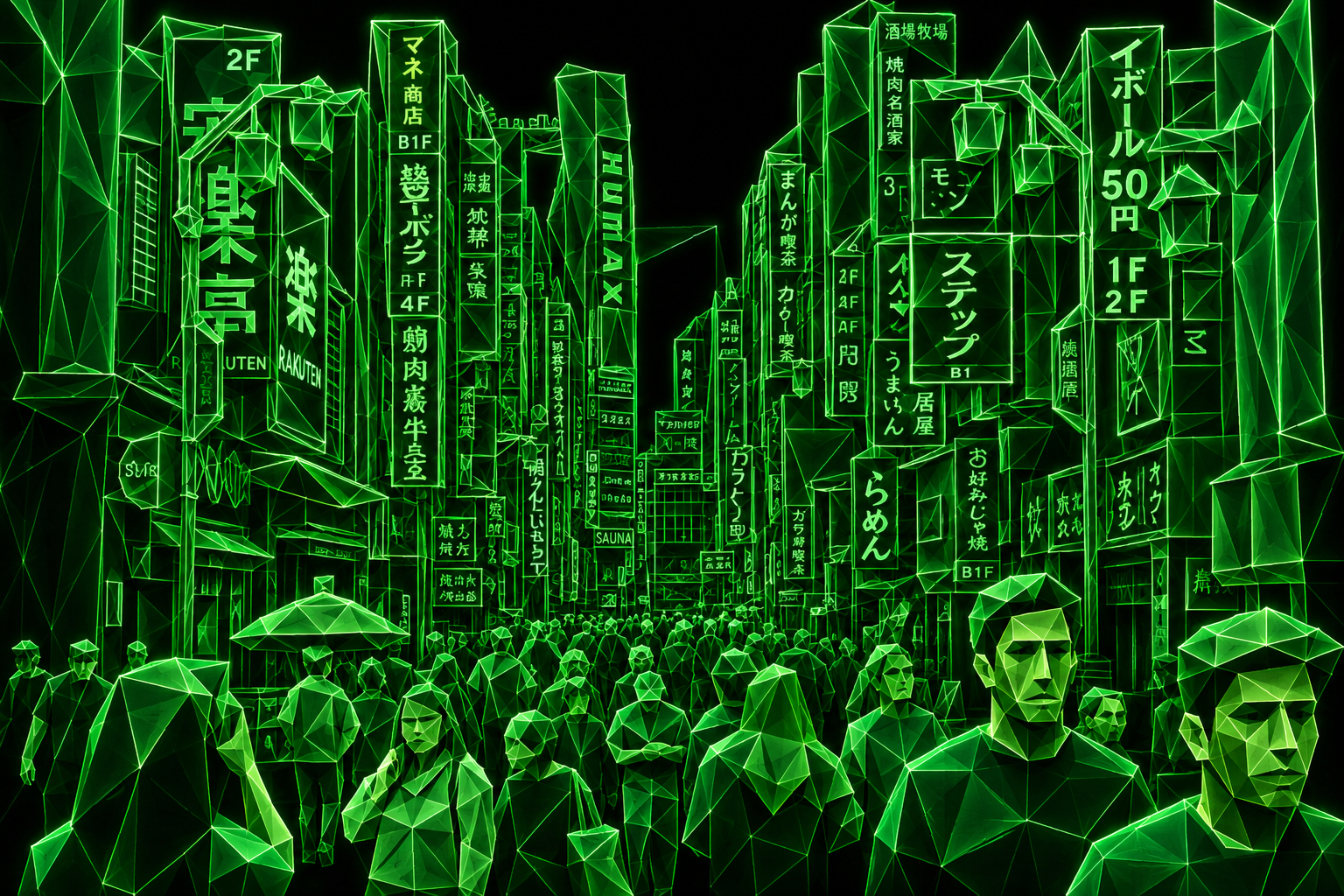
Do you look at the world map and ask yourself where millions of people reside, travel, work, have meals, and retire each day? Well, I always do! Whenever I come across information about large urban centers, I am always surprised by the fact that cities manage to continue growing despite high expenses of living, increasing traffic, and lack of space. I feel that what is happening resembles the process of solving a gigantic puzzle that grows each year and never runs out of pieces.
The largest cities in the world are more than mere places indicated on maps. These are industrial, social, innovative, and cultural centers that provide millions of people with better life opportunities. Whether they represent ancient or modern structures, cities always tell their unique stories. Although some cities attract people due to their industry, other cities flourish because of history, education, and international reputation.
While examining the data related to every city population, one aspect was absolutely evident – these cities evolve continuously. The number of population increases annually, new neighborhoods appear, infrastructure develops, and the efforts of the authorities are aimed at coping with the fast development of the metropolis. However, the problem of overpopulation creates certain difficulties for these cities which influence various aspects including housing, transportation, etc.
Below, I will examine the world’s biggest metropolitan areas and tell about their features and interesting facts which will make you want to learn more about them, regardless of whether you want to visit these cities or not. Believe me, after reading this article, you will see overcrowded cities in a whole new light.
I think that if I was asked fifty years ago about the most promising places in the world, I would mention big cities. However, nowadays my answer will not be less relevant. In fact, urbanization becomes the leading trend today since millions of people leave smaller cities and countryside in order to find better living conditions there.
Opportunity naturally pulls people towards cities. Large companies build their corporate headquarters in them, universities recruit students from all over the world, hospitals specialize in treatment, and governments spend lots of money on infrastructure construction. The moment a city starts growing, it only speeds up since more businesses mean more job opportunities, which means more people.
Also, technology has influenced urban growth. Modern transportation system, Internet infrastructure, broadband connection, and advanced public services have made large cities more appealing than ever. Most young professionals tend to choose the life in the metropolis since they provide them with endless career possibilities and entertainment options in quite a limited space.
Still, fast growth has its downsides. Infrastructure cannot cope with the rising demands, resulting in traffic jams, expensive real estate, pollution, and strained public services. This is where a proper city planning comes into play.
Whenever someone hears the word overpopulation, they immediately picture the streets packed with people side by side. Of course, such a picture does exist but not always.
The phenomenon of overpopulation emerges when the number of inhabitants in a particular area increases faster than the local resources and infrastructure allows. This leads to problems concerning affordable housing, effective transport system, access to healthcare and education, proper garbage disposal and even air quality.
It always amazed me how some of the most cheerful and efficient cities in the world are at the same time very busy ones. It does not depend on the smaller population but on the effective management of them. The example of Tokyo is very illustrative here: despite the huge population, the city operates very effectively with almost punctual trains, clean streets and efficient services.
At the same time, many expanding cities have to deal with a lot of problems since their development proceeds much faster than the process of planning. Some informal areas appear, traffic problems arise, public transport cannot provide the required services for millions of people. Lots of money are invested into road construction, metros, building new houses and smart cities.
What I have learned while studying urbanization is that the problem is not the number of people; poor planning is the issue. A city with efficient infrastructure can easily accommodate millions of people compared to another city with ineffective infrastructure. For this reason, any discussion about the population of cities should be combined with their infrastructure, sustainability, and planning rather than just numbers.
If anyone asks me which city embodies the perfect mixture of modernity and tradition, then my answer will definitely be – Tokyo.
Known as the biggest city in the world by metropolitan population, Tokyo is home to more than 37 million people. However, in spite of the great number of its citizens, Tokyo is an extremely organized city. It seems to me unbelievable that millions of citizens commute using one of the world’s largest railway systems and do it being very punctual. For example, in many places, if the train is late even for 30 seconds, it is a rare occasion. Can you imagine telling it to a person stuck in rush-hour traffic for two hours?
The charm of the city is not limited only to numbers. Tokyo successfully integrates its historic temples with modern skyscrapers, gardens with entertaining districts lit up with neon lights, traditional tea houses with robot cafes. Going around the neighborhoods of Shibuya, Shinjuku, and Akihabara means being transferred from one universe to another: from an environment filled with century-old culture to autonomous robots serving coffee.
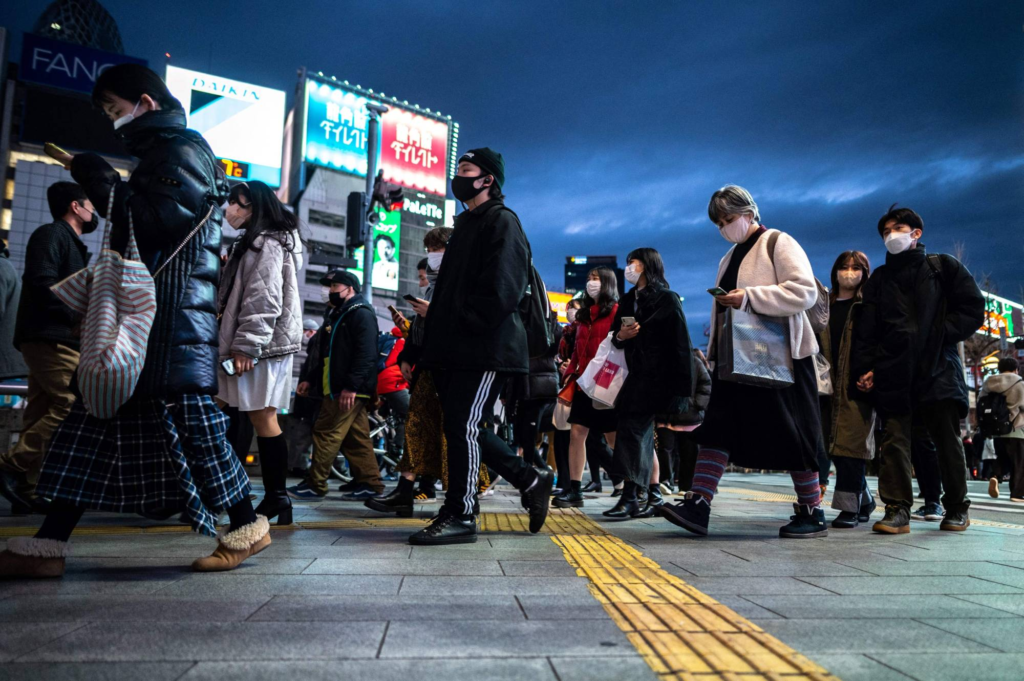
Economically speaking, Tokyo belongs to the list of the most influential metropolitan areas on earth. There are corporate headquarters of large multinationals, famous universities, banks, and IT-companies. All this ensures an endless influx of professional people to Tokyo making it a constantly growing city.
What strikes me the most is the way Tokyo copes with its large number of population. Transportation, preparedness in case of a disaster, sanitary measures, and urban planning ensure a proper working of the city. Of course, there are some drawbacks such as expensive housing, small apartments, and unpleasant peak commuting time.
Delhi is a city whose appeal comes from its combination of ancient heritage and rapid modernization. Whenever I read about this place, I am impressed at how one city can keep intact its impressive architectural heritage while at the same time developing new roads, metro stations, business centers, and technology parks.
With a metropolitan population of more than 30 million people, Delhi is regularly considered one of the most populated cities in the world. Its expansion has become especially quick in recent decades because people from all over India are moving to the capital in order to find job, get education, receive medical assistance, and do business.
It seems that going around the streets of Delhi means moving from one century to another within one day. Ancient sites such as Red Fort, India Gate, Humayun’s Tomb, and Lotus Temple coexist with modern shopping centers, luxury hotels, office buildings, and new residential areas.
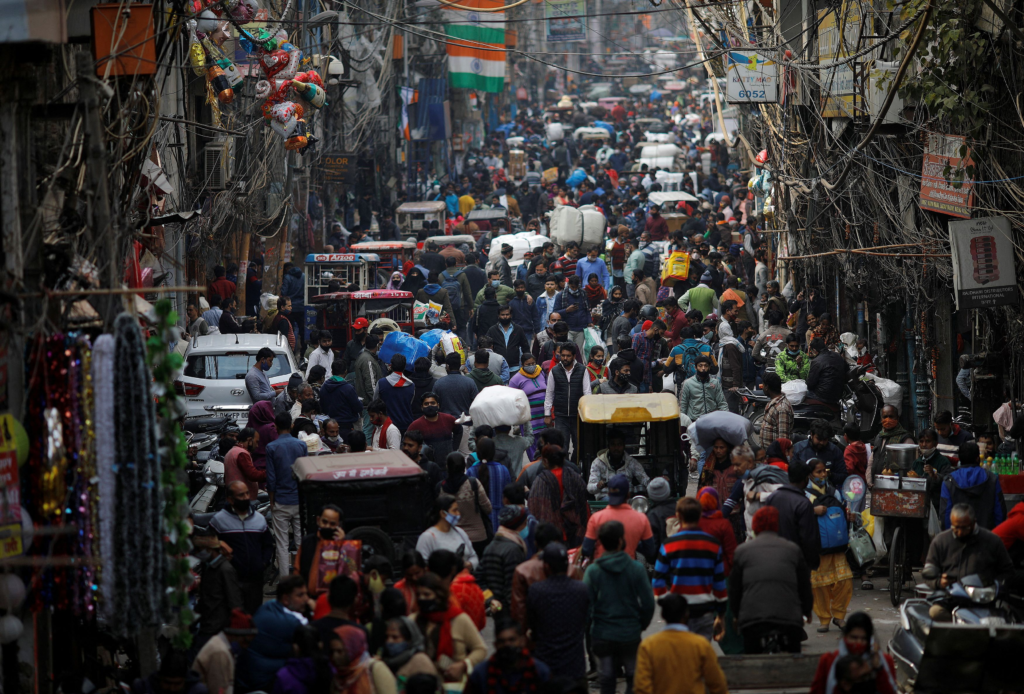
As any other fast-growing metropolis, Delhi also has issues that are usually related to overpopulation. Issues like traffic, pollution, infrastructure growth, and provision of affordable housing are still some of the top issues of the city planners. However, significant investment in metro rail services, smart transport, renewable energy programs, and e-governance are constantly making life in this metropolis better and better.
One more feature of this city that I particularly love is its adaptability. In spite of the fact that there is a huge number of new residents moving there every year, the city is able to continue its transformation and development. All markets are thriving, cultural festivals gather a large audience, and new businesses appear on a daily basis.
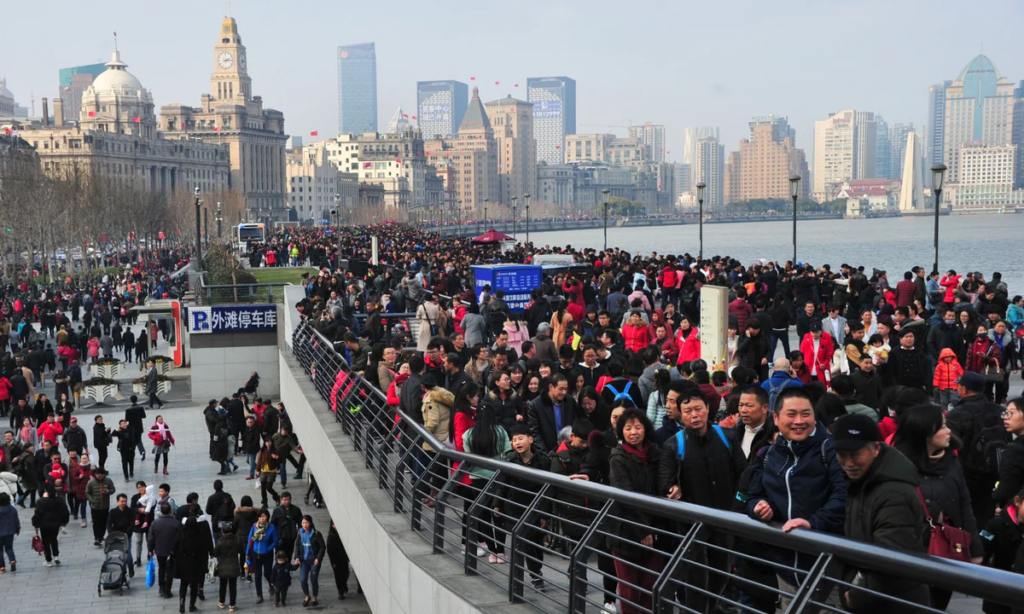
Every time I think of cities that have experienced unbelievable transformation, Shanghai immediately comes to mind. Although it was once a major trading city, today Shanghai is now one of the most dynamic financial and technologically advanced cities in the world. Looking at how Shanghai’s skyline has been evolving through pictures seems like looking at a science fiction story become reality. The skyscrapers, fast trains, and modern architecture are present alongside ancient temples and old neighborhoods that make up the city.
Shanghai has a city population of well over 29 million in its metro region, making it one of the world’s most populous cities without any doubt. The thing that I find amazing about the city is the fact that such a large city works quite effectively while accommodating millions of commuters, tourists, and business people in the city each year. One of the biggest metro systems in the world has been developed by Shanghai, which enables people to move around in one of the busiest urban areas in the world.
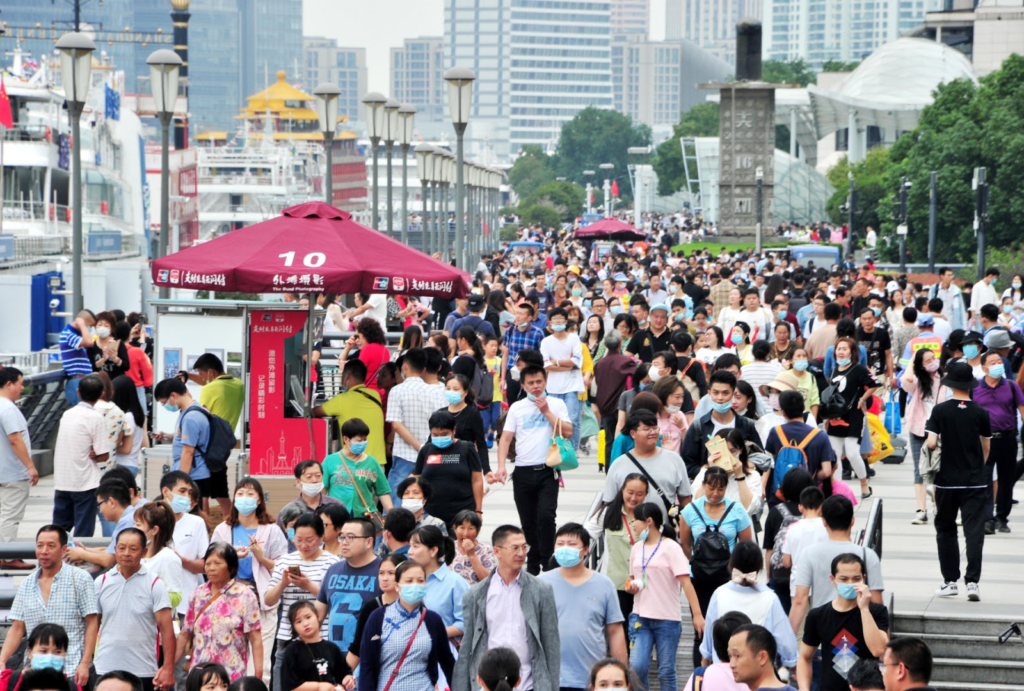
Shanghai is indeed an economic giant when it comes to its economic power. Shanghai is home to one of the busiest port cities in the world, along with numerous multinational companies, and one of the biggest financial centers in Asia located in the Pudong district. Just walking through Pudong would leave anyone awestruck due to huge architectural buildings, such as the Shanghai Tower and the Oriental Pearl TV Tower.
However, just a stone’s throw away from there, tourists can get lost in Yu Garden or walk along the iconic Bund, with colonial structures overlooking the Huangpu River. This contrast is precisely what I adore about Shanghai because it shows that there is no need to erase your past in order to look forward.
Just like any other city developing at a rapid pace, Shanghai faces certain challenges that come along with being an overcrowded place. The cost of housing continues to go up, the public transport is packed to the brim at peak time, and urban planners have to struggle with trying to accommodate millions of people while saving the environment at the same time. Nevertheless, it is safe to say that Shanghai always makes it on the list of top examples of successful urban planning in the world.
It’s no wonder that the city has such a personality, as it operates at breakneck speed. Perhaps it is for that very reason why hundreds of thousands of people come to live in this city every year. The level of ambition and opportunity represented by this city is incomparable with any other.
With over 21 million inhabitants, Mumbai stays one of the largest cities in the world and the financial center of India. The city accounts for quite a significant amount of Indian economic activity due to its involvement in the banking, finance, entertainment, shipping, high technology, and manufacturing sectors. When people dream of making a career in India, this city is usually at the top of the list. It is the main reason why city population keeps increasing even though the area is one of the busiest metropolitans in the world already.
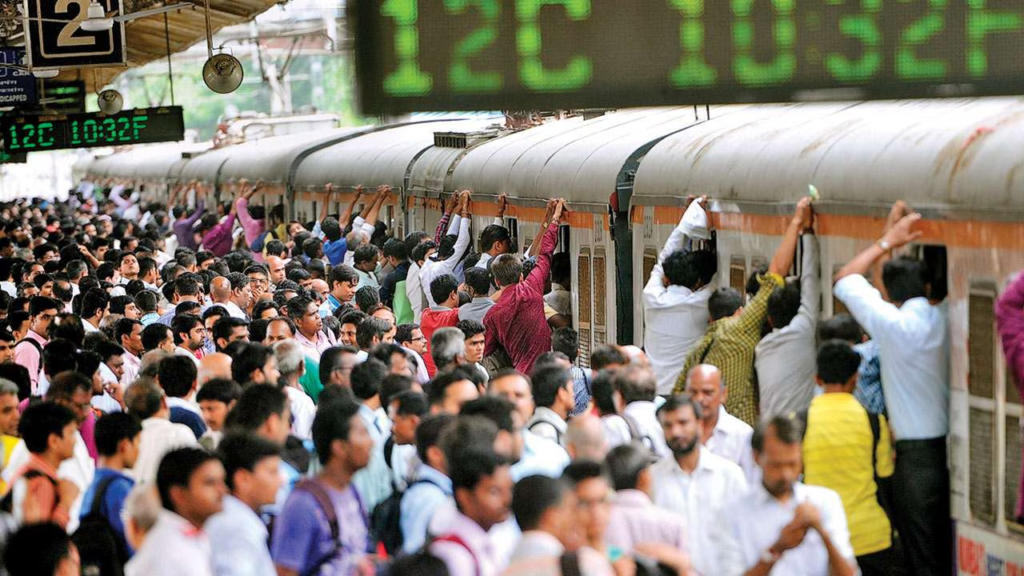
Moreover, Mumbai is famous for being home to one of the biggest film industries of the world. Bollywood as it is called attracts many hopefuls each year who aspire to be a part of it. Even though the number of those who succeed and become stars is very small, there is no doubt about the amount of creativity that goes into Mumbai. Apart from the films, there are amazing buildings like the Gateway of India, Marine Drive, Chhatrapati Shivaji Maharaj Terminus, and the Taj Mahal Palace Hotel.
Nevertheless, there is not everything perfect in the big city. Fast growth has made the situation with overcrowding worse, adding problems like traffic jams and shortage of houses. The thing which surprises me most about Mumbai is its ability to endure all these troubles. Despite the overcrowded trains and busy streets, millions of people are ready to work, demonstrating amazing entrepreneurial spirit. There is even a popular phrase that says Mumbai never sleeps, and after studying more about the city I totally agree with it.
Of all the cities listed here, perhaps the most surprising would be Sao Paulo. While many tourists immediately associate Brazil with the Rio de Janeiro, Sao Paulo actually controls much of the country’s economic and business development. In my opinion, Sao Paulo is the least talked about world megacity due to its impressive cultural diversity and immense economic power.
The population of the metropolitan area of Sao Paulo exceeds 22 million people, which makes it one of the most populous cities in the world. Not only is it Brazil’s most populous city, but it also is the largest metropolitan area in South America. Millions of people pass through its maze of highways, subway systems, buses, and business centers each day. The sheer size of this city can be gauged simply by looking at its skyline and its thousands of skyscrapers.
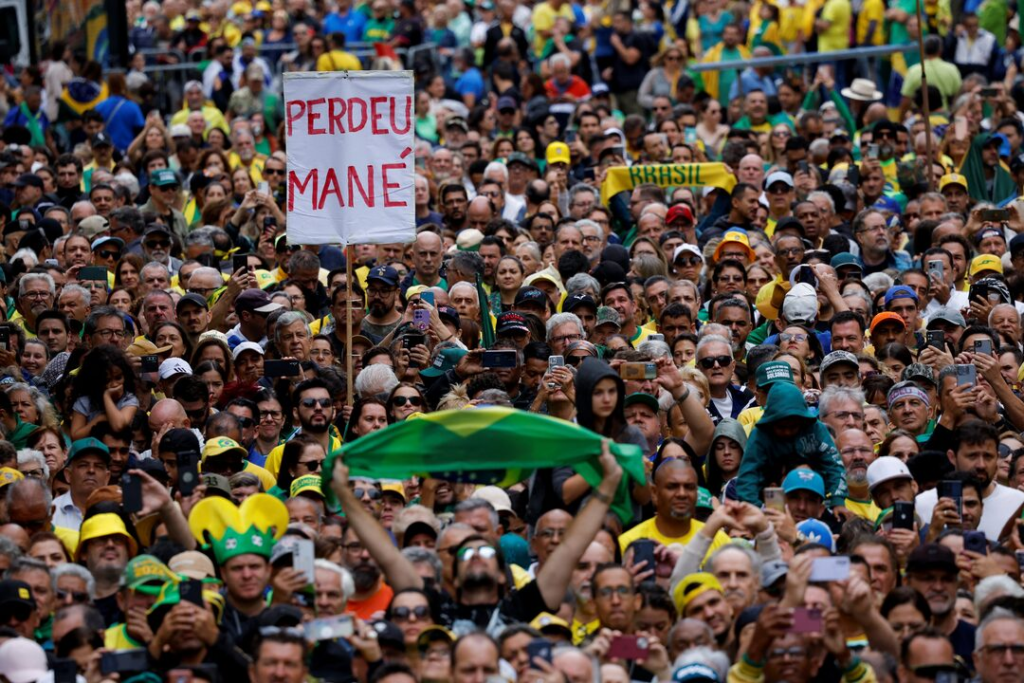
Another aspect that I like about Sao Paulo is the high level of cultural diversity. In the past couple of centuries, a variety of people from different nations, including Italians, Japanese, Lebanese, Portuguese, Germans, and many others, have significantly influenced the formation of the city. Nowadays, you can feel this variety of different cultures in the neighborhoods, architecture, events, museums, and even in the food of this place. If someone wants to try the best sushi, the best pasta, the best barbecue, or any other kind of cuisine, there is no better place than this one to go to.
At the same time, as we are talking about managing such a large number of people living in the city, there is a lot to do. Similar to other megacities, Sao Paulo still works on solving problems connected with the overpopulation of the city, such as traffic jams, affordable housing, environment sustainability, and developing public transportation. Despite all those difficulties, Sao Paulo is one of the cities with the strongest influence on global business processes.
There are those cities that will amaze you through their futuristic towers while there are others that will capture your imagination through their timeless tales. Mexico City is such a city that does it all simultaneously. Being built on the historical foundations of Tenochtitlán, the city has grown over time into one of the largest metropolitan cities while retaining its unique historical identity.
Currently, Mexico City has a population of over 22 million within its larger metropolitan area, making it one of the most populous cities in the world. The city continues to attract individuals on an annual basis for education, jobs, health care, business ventures, and various governmental services. It is indeed the capital of politics, culture, and economics of the nation and as such draws in individuals from across Mexico, thereby increasing its city population.
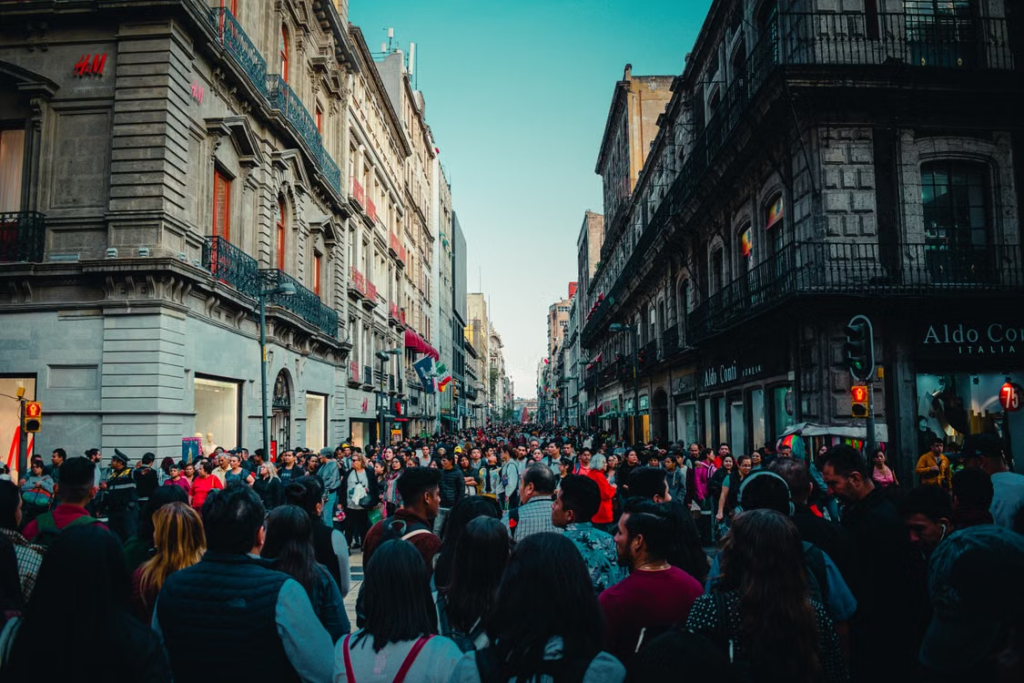
The most interesting aspect of Mexico City is how well the past and present have been blended together. One day, you can visit the Metropolitan Cathedral, the Chapultepec Castle, and the National Palace before having dinner in some of the best restaurants in the world and spending time in museums and art galleries as well as business centers. It seems like there are museums everywhere you go; from museums dedicated to the past Aztec civilization to modern science and international art.
Fast urban development brings with it problems; however, Mexico City has been struggling for many years with issues related to overpopulation, transportation, pollution, and water management. Mexico City invests millions in infrastructure projects that shape its future. Of course, big cities can be very chaotic places to live in; but Mexico City shows that it is possible to preserve your heritage and at the same time be modernized.
The city of Beijing is one that seems to be able to tell two distinct stories simultaneously. On one hand, there is a story about emperors, dynasties, and grand palaces from thousands of years ago; on the other hand, there is a story about artificial intelligence, innovative technologies, high-speed railway, and an economically rapidly developing country. In my opinion, it is amazing how a city can have both of these aspects simultaneously as very few places can boast that.
As one of the most populated cities in the world, Beijing is home to more than 21 million people. Being the capital of China, it is the center of politics, culture, education, and technologies. There are numerous students who study at prestigious universities, as well as millions of workers who make their careers in government agencies, in research, in finances, engineering, and technology industries.
Historical sites like the Forbidden City, Temple of Heaven, Tiananmen Square, and parts of the Great Wall draw in millions of tourists every year. At the same time, the city is constantly developing by improving its transportation system, creating smart cities, and establishing new research centers. Personally, I do not think there is any other place in the world that shows how humankind can respect history while moving forward like Beijing.
Maintaining a city on such a scale is an ongoing process. Just like many other megacities in the world, Beijing tries to solve problems connected with overpopulation, poor air quality, and traffic congestion by carrying out long-term infrastructure projects and environmental campaigns. Despite the existing problems, Beijing still continues developing into one of the most powerful capitals in the world.
Whenever people think about Japan, the first thing that comes to mind is Tokyo, but, in my opinion, Osaka is just as important. While Tokyo can be thought of as an excellent executive in the business, Osaka is the good-natured and sociable friend who knows all the best places for food and never stops telling stories. Osaka has become famous for its friendly inhabitants, great cuisine and commercial areas.
With almost 19 million metropolitan residents, Osaka is one of the most populous cities in the world. The city is important for the Japanese economy due to its manufacturing, financial services, international trade, healthcare and high tech industries. Millions of people use the convenient railway network of the city daily. Being interested in urban planning, I appreciate how Japanese cities manage to host such large population without getting totally overwhelmed.
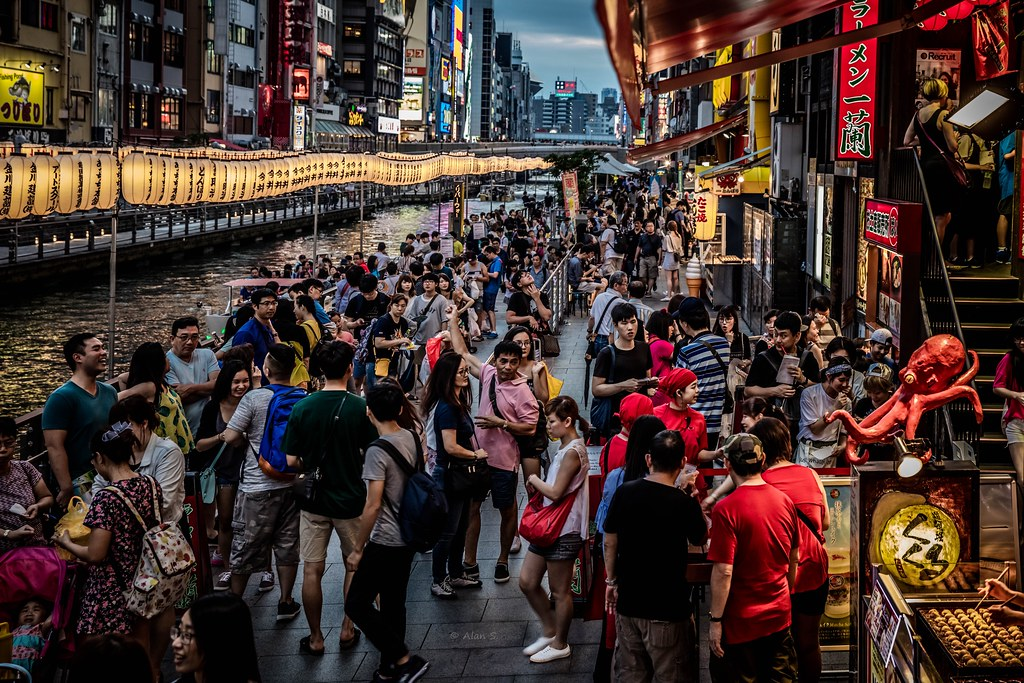
Food has been one of the hallmarks of the city of Osaka. For instance, the city has been referred to as “Japan’s Kitchen” by many locals. The streets of famous areas like Dotonbori are filled with the smell of foods such as takoyaki, okonomiyaki, ramen, and grilled seafood. The experience in Osaka may be too good for a dieter because the city will laugh at their efforts before offering yet another snack. However, the food culture is a major tourist attraction and is part of the hospitality in the city.
Despite having problems related to overpopulation, including the demand for houses and the congestion in the transport system during peak times, the constant developments in the infrastructure have ensured a high standard of living in Osaka. This has made Osaka become one of the world’s best metropolitan cities.
One of the very few cities on Earth, which boast of having been continuously living for more than a thousand years, is Cairo. Whenever I think of this amazing city, I picture myself standing in a modern street while knowing that the oldest wonders of the world can be found just past the skyline. History is not hidden away in museums here but rather is alive.
Metropolitan city population of Cairo is more than 22 million people making it one of the most populous cities in the world. Capital of Egypt politically, economically, and culturally, Cairo draws people from all over the country in search of jobs, education, medical facilities, and business. This influx of people has led to tremendous development of urban areas and makes Cairo one of the largest cities in Africa.
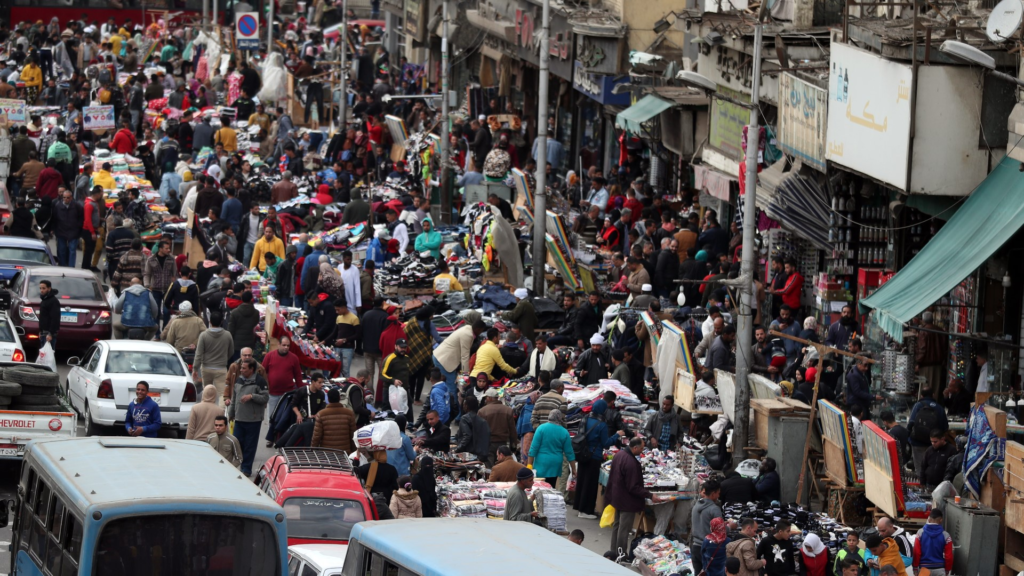
Certainly one of the most important assets Cairo has is the rich history associated with it. Reminding everyone of their significance through the Pyramids of Giza, the Great Sphinx, the Egyptian Museum, and many ancient mosques, Cairo has been playing an important role in the history of humanity for thousands of years. However, there is more to Cairo than just history; it is also a modern metropolis with a large number of universities, tech start-ups, commercial centers, cafes, and busy local markets. This blend appeals to me very much as it shows that it is possible to preserve history and make progress simultaneously.
Similar to other megacities developing rapidly, Cairo faces many problems associated with overpopulation, which include transport, affordable housing, and ecological issues. Development of new areas and roads, and building up transportation facilities should help solve the problem and improve people’s lives in the future.
No city on earth could be responsible for being depicted in so many movies, TV programs, novels, and songs as much as the New York City. Even if a person has not been to this place, he/she would easily identify Times Square, Statue of Liberty, Central Park, and the Empire State Building. It is a place which feels familiar before even visiting it.
New York City’s population is estimated to be of around 8.5 million municipal inhabitants while its greater metropolitan city population exceeds 20 million. This is probably one of the most populous cities in the whole world and still remains the largest metropolitan area of the United States. Many ambitious people from almost all countries continue coming here as this is the place where their dreams start to take form.
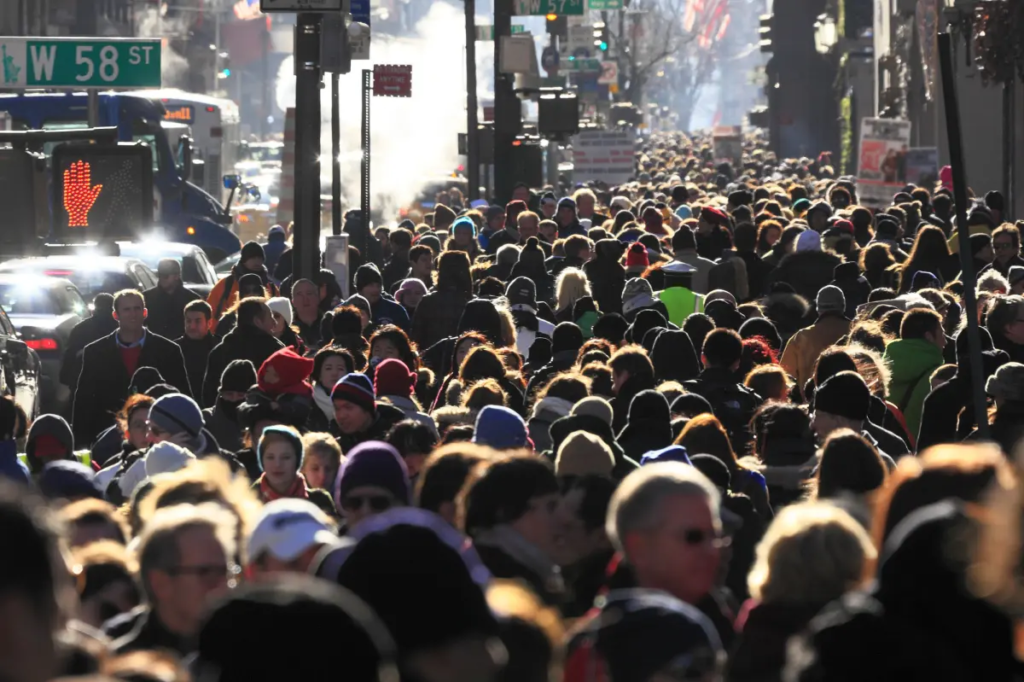
What I really appreciate about New York is the diversity of this city. It seems that walking in different neighborhoods of New York makes you travel not across a single country but across different continents in just one day. Everything – from food to fashion, language to architecture, and festivals to the style of celebration – is special about each cultural background present in New York, which in turn made this city one of the biggest financial, media, technological, educational, healthcare and entertainment centers of our world.
Surely, living in New York implies experiencing some aspects of overpopulation, such as high housing costs, crowded subways and traffic jams. However, despite all those inconveniences, millions of people choose New York because of its possibilities. As the saying goes, if you make it in New York, you can make it anywhere.
The question that I often asked myself during research for this article was very straightforward: Is Tokyo still the biggest city in the world? The answer to this is yes—although when we refer to population size.
Many people get confused when it comes to calculating the size of a city’s population since there are several ways of measuring this data. Some use only the population inside the city proper while others include even the surrounding areas, including nearby cities, which form a single metropolitan area. Here is the difference:
| City | Estimated Metropolitan Population | Country |
|---|---|---|
| Tokyo | 37+ Million | Japan |
| Delhi | 30+ Million | India |
| Shanghai | 29+ Million | China |
| Mumbai | 21+ Million | India |
| Sao Paulo | 22+ Million | Brazil |
| Mexico City | 22+ Million | Mexico |
| Beijing | 21+ Million | China |
| Cairo | 22+ Million | Egypt |
| Osaka | 19+ Million | Japan |
| New York City | 20+ Million | United States |
While the exact numbers change every year as populations grow, Tokyo continues to hold its reputation as the biggest city in the world by metropolitan population. That title reflects decades of careful planning, economic growth, and infrastructure development that have enabled the city to support tens of millions of residents successfully.
After researching the most populated cities in the world, I realized something interesting. Bigger doesn’t always mean better, but it certainly means different. Every one of these cities has developed its own personality, shaped by geography, history, culture, economics, and the ambitions of millions of people. Despite their differences, they all share one common goal: creating opportunities for the people who call them home.
I also came away with a new appreciation for urban planning. It’s easy to complain about traffic jams or crowded trains, but managing a city population of twenty or thirty million people is an extraordinary challenge. Behind every functioning subway system, clean street, and reliable utility network are thousands of professionals working every day to keep these massive cities running smoothly. The next time I find myself waiting at a red light, I’ll probably remind myself that somewhere in Tokyo or Sao Paulo, millions of other people are doing exactly the same thing.
Perhaps the biggest lesson is that overpopulation itself isn’t always the problem. The real challenge lies in ensuring that infrastructure, housing, healthcare, education, transportation, and environmental protection grow alongside the population. Cities that invest wisely in long-term planning often provide better quality of life than smaller cities that fail to prepare for future growth.
The most populated cities in the world are far more than impressive statistics on a chart. They represent human ambition, innovation, resilience, and the constant pursuit of opportunity. From the organized efficiency of Tokyo and Osaka to the historical richness of Cairo, the financial energy of Mumbai and New York, the technological advancement of Shanghai and Beijing, the cultural diversity of Sao Paulo, and the remarkable heritage of Mexico City and Delhi, every destination tells a story worth exploring.
As I researched these global megacities, one thing became increasingly clear: population numbers alone never define a city’s greatness. Instead, it’s the people, culture, infrastructure, resilience, and vision that truly make these places extraordinary. Whether you’re fascinated by urban development, planning your next adventure, or simply curious about how millions of people successfully share the same space, these remarkable cities offer valuable lessons about the future of our increasingly connected world.
The next time someone asks me about the biggest city in the world, I won’t simply mention Tokyo’s population. I’ll talk about the incredible systems, cultures, and communities that make these megacities thrive despite the challenges of overpopulation. After all, behind every population statistic are millions of individual stories waiting to be discovered.
1. Which is the biggest city in the world by population?
Tokyo is widely recognized as the biggest city in the world when measured by metropolitan population, with more than 37 million residents.
2. Why are the most populated cities in the world growing so quickly?
Rapid urbanization, better employment opportunities, education, healthcare, and improved infrastructure continue attracting millions of people to large metropolitan areas.
3. Is overpopulation always a bad thing for cities?
Not necessarily. Overpopulation becomes problematic when infrastructure cannot keep pace with population growth. Well-planned cities can successfully support millions of residents while maintaining a high quality of life.
4. Why is Sao Paulo considered one of the world’s most important cities?
Sao Paulo is Brazil’s largest city and South America’s leading financial and commercial center. It also boasts incredible cultural diversity and one of the largest metropolitan populations in the world.
5. What factors determine a city’s population ranking?
Population rankings usually consider metropolitan areas rather than just official city boundaries. This provides a more accurate picture of the total city population living and working within a connected urban region.

Share your details, and we will get back to you shortly!
This will close in 0 seconds
Share your details, and we will get back to you shortly!
This will close in 0 seconds