Physical Address
304 North Cardinal St.
Dorchester Center, MA 02124
Physical Address
304 North Cardinal St.
Dorchester Center, MA 02124

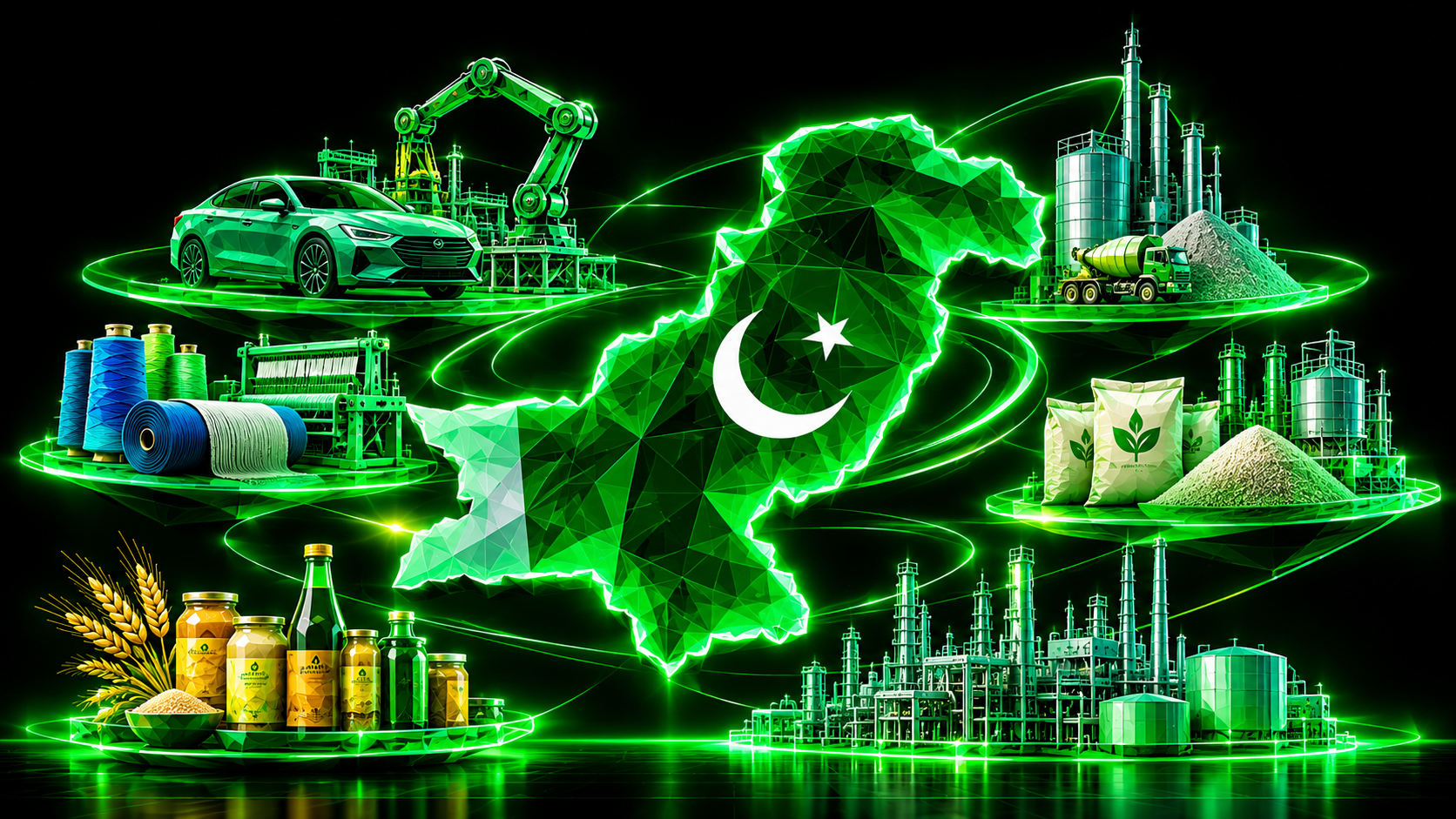
When we talk about Pakistan’s economy, conversations usually revolve around inflation, exports, imports, foreign investment, and the rising cost of living. However, there is another important part of the picture that deserves much more attention: the manufacturing industry. Think about the clothes we wear, the cars we drive, the food we eat, the cement used to construct our homes, and the machinery that helps farmers produce crops. Behind almost every one of these everyday products is a manufacturing business responsible for turning raw materials into something useful. These businesses do much more than operate factories; they create employment, support thousands of suppliers, develop technical skills, and contribute to the country’s industrial growth.
Pakistan has a diverse manufacturing landscape, with businesses operating in textiles, automobiles, food processing, construction materials, chemicals, fertilizers, pharmaceuticals, and agricultural machinery. Some companies have built strong international partnerships, while others have developed their own brands and production networks over several decades. What makes this industry particularly interesting is that its success is connected to almost every other economic sector. For example, a textile factory depends on agriculture for cotton, transportation companies for logistics, banks for financing, and international buyers for export revenue. If one part of this chain struggles, the effects can spread much further than the factory floor.
I believe understanding the leading manufacturing companies in Pakistan is an excellent way to understand how the country’s industrial system actually works. It also helps entrepreneurs, investors, students, job seekers, and ordinary consumers recognize the businesses that influence their daily lives. In this guide, we will explore seven important manufacturers, examine their industries, understand what makes their operations competitive, and discuss the opportunities and challenges that could shape Pakistan’s industrial future.
Manufacturing is one of the foundations of a country’s economic development because it allows a nation to produce goods rather than depend entirely on imported products. When a company manufactures something locally, it creates demand for raw materials, machinery, packaging, transportation, electricity, skilled workers, and professional services. This creates a chain of economic activity that extends well beyond the company itself. Consider a textile factory: it needs cotton suppliers, spinning units, dyeing facilities, stitching workers, packaging companies, warehouses, and transporters before a finished garment reaches an international customer. Each stage creates business opportunities and employment, which is why a strong industrial base can benefit thousands of businesses simultaneously.
Pakistan’s manufacturing industry includes both large-scale factories and smaller production businesses. Large manufacturers typically operate advanced production facilities and serve national or international markets, while small and medium-sized manufacturers often focus on specialized products, regional distribution, or supplying components to larger companies. Both groups matter. A large automobile manufacturer may assemble thousands of vehicles, but it also depends on smaller businesses producing seats, cables, plastic components, batteries, tyres, and other parts. In my view, this relationship between large manufacturers and smaller suppliers is one of the most important aspects of industrial development because it allows local businesses to grow alongside established corporations.
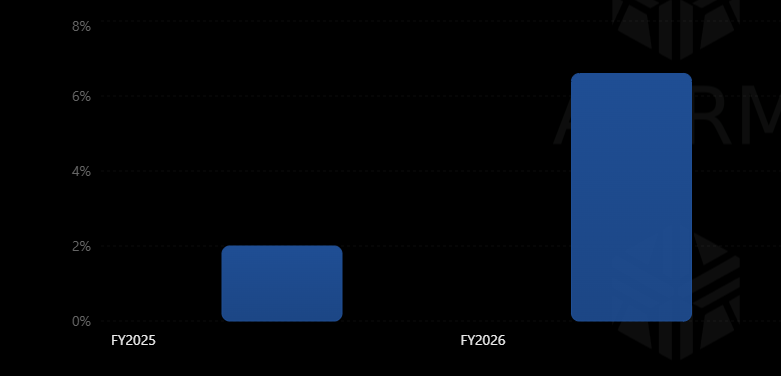
The latest available Pakistan Economic Survey 2025–26 provides encouraging evidence of recovery. According to the Ministry of Finance, the manufacturing sector grew by 6.6% in FY2026, compared with 2.0% in the previous financial year. Large-scale manufacturing recorded 6.1% growth, while small-scale manufacturing expanded by 8.5%. Manufacturing and mining together contributed approximately 13.5% of GDP. These figures show that industrial activity has gained momentum, although growth is not equally distributed across every manufacturing category.
Pakistan manufacturing growth
Annual growth reported in the Pakistan Economic Survey. Figures are rounded.
The relationship between manufacturing and the Pakistan economy goes beyond the value of products leaving factory gates. One of its biggest contributions is employment. Factories require engineers, machine operators, accountants, quality inspectors, warehouse managers, technicians, designers, sales professionals, and administrative staff. They also generate indirect employment for people working in logistics, maintenance, agriculture, retail, and business services. When a factory expands its operations, the benefits can reach nearby communities through additional jobs and increased demand for local services.
Another important contribution is foreign exchange earnings. Pakistan imports many industrial inputs, including machinery, chemicals, specialized components, and energy resources. However, manufacturers that produce export-quality goods can generate foreign currency by selling products abroad. The textile industry is particularly important in this regard because Pakistani garments, bed linen, towels, knitwear, and other textile products reach international markets. According to Pakistan Bureau of Statistics figures reported by Associated Press of Pakistan, textile exports reached approximately $17.89 billion in FY2025, representing an increase of 7.39% compared with FY2024. This demonstrates how important industrial production is to Pakistan’s export earnings.
Manufacturing also supports technological development. Companies that invest in automated machinery, modern production systems, digital inventory management, and quality-control processes can improve productivity and compete more effectively. These investments encourage workers to develop technical skills and expose local suppliers to international production standards. Over time, this can help Pakistan move from exporting basic raw materials towards manufacturing more sophisticated, higher-value products. That transition is important because producing finished goods generally creates more opportunities for branding, innovation, and value addition than simply selling unprocessed materials.
Despite its potential, Pakistan’s manufacturing industry has several challenges that companies must manage carefully. Energy prices, financing costs, taxation, imported raw-material prices, exchange-rate fluctuations, and inconsistent demand can all affect production expenses. A factory might have expensive machinery and enough workers to manufacture thousands of units, but if electricity costs rise sharply or imported components become difficult to obtain, its operations can become less profitable. Manufacturers must also compete with international producers that may benefit from larger economies of scale, more advanced technology, and more predictable supply chains.
The latest economic figures show why it is important to examine individual industries rather than assume that every manufacturer is experiencing the same growth. During July–March FY2026, automobile production increased by 61.66% and food manufacturing by 9.77%, while textiles grew by only 0.75% and chemicals declined by 1.44%. These differences demonstrate that the recovery is uneven. Some industries are benefiting from stronger demand and improved production conditions, while others still face structural problems.
However, these challenges also create opportunities for businesses willing to modernize. Manufacturers can improve efficiency through energy-saving equipment, solar power, waste reduction, local sourcing, staff training, and better production planning. Exporters can also explore new markets instead of depending on a limited number of international buyers. Pakistan has the agricultural resources, workforce, industrial experience, and entrepreneurial talent to develop stronger manufacturing businesses. The real opportunity lies in combining these advantages with reliable infrastructure, consistent policies, innovation, and long-term investment.
Pakistan has several established manufacturers that operate in different industrial categories. Some produce vehicles, others manufacture textiles, food products, fertilizers, construction materials, or agricultural machinery. The following companies provide a useful overview of the country’s industrial diversity. This is a representative selection based on their industrial importance and recognizable operations, rather than an official ranking of the seven largest manufacturers by revenue or production.
Industry: Automobiles and vehicle assembly
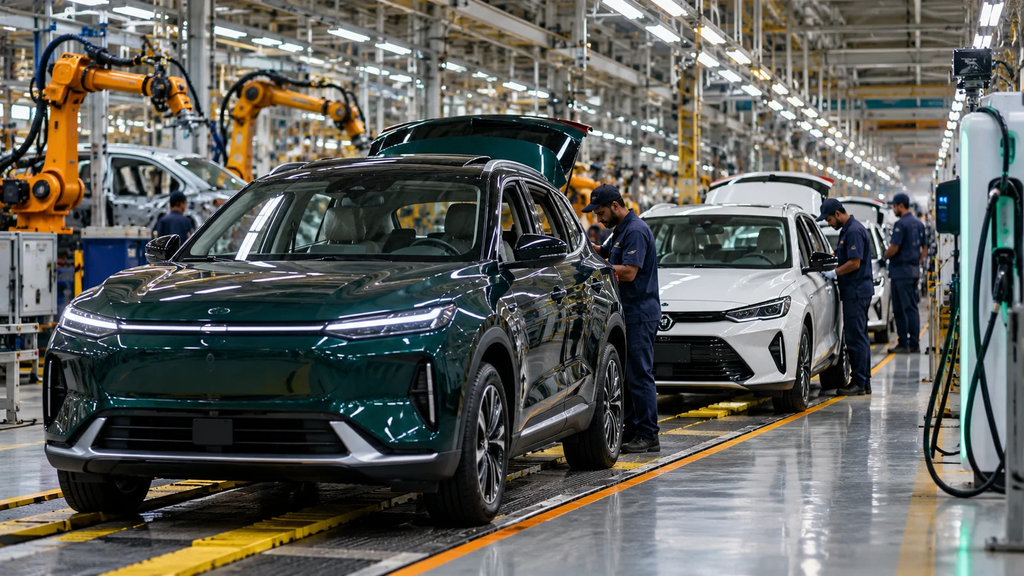
When discussing automobile manufacturing in Pakistan, Indus Motor Company Limited (IMC) is one of the first names that comes to mind. Established in 1989, the company is a joint venture involving Pakistan’s House of Habib, Toyota Motor Corporation, and Toyota Tsusho Corporation of Japan. It manufactures and markets Toyota vehicles in Pakistan, serving customers through a nationwide dealership network. Its product portfolio has included well-known models such as the Corolla, Yaris, Hilux, Fortuner, and Corolla Cross. The company’s manufacturing facility is located at Port Qasim, Karachi, where it operates within an established automotive production and distribution ecosystem.
What makes Indus Motor particularly interesting is its role in developing Pakistan’s automobile supply chain. Vehicle production requires coordination between numerous suppliers that manufacture components such as wiring systems, tyres, batteries, seats, plastic parts, and other accessories. Local suppliers can benefit from the technical requirements and quality standards associated with automobile production. This creates opportunities for engineering businesses and component manufacturers to improve their capabilities. The company’s partnership with international automotive businesses also provides an example of how foreign technical expertise and local industrial operations can work together.
Production capacity is another important aspect of automotive manufacturing. According to the company’s corporate profile, its daily production capacity increased from approximately 20 vehicles in 1993 to 288 vehicles on a double-shift basis, including overtime. That is a significant transformation from its early production operations. However, it is important to understand that installed capacity does not mean the factory produces that number of vehicles every day. Actual production depends on customer demand, component availability, market conditions, and operating schedules.
For readers interested in Pakistan’s automotive industry, Indus Motor is a useful company to study because it demonstrates the importance of international partnerships, supplier networks, technical training, and production planning. Its corporate website also provides company information and business updates.
Website: Toyota Indus Motor Company
Industry: Textiles, fabrics, apparel, and home textiles
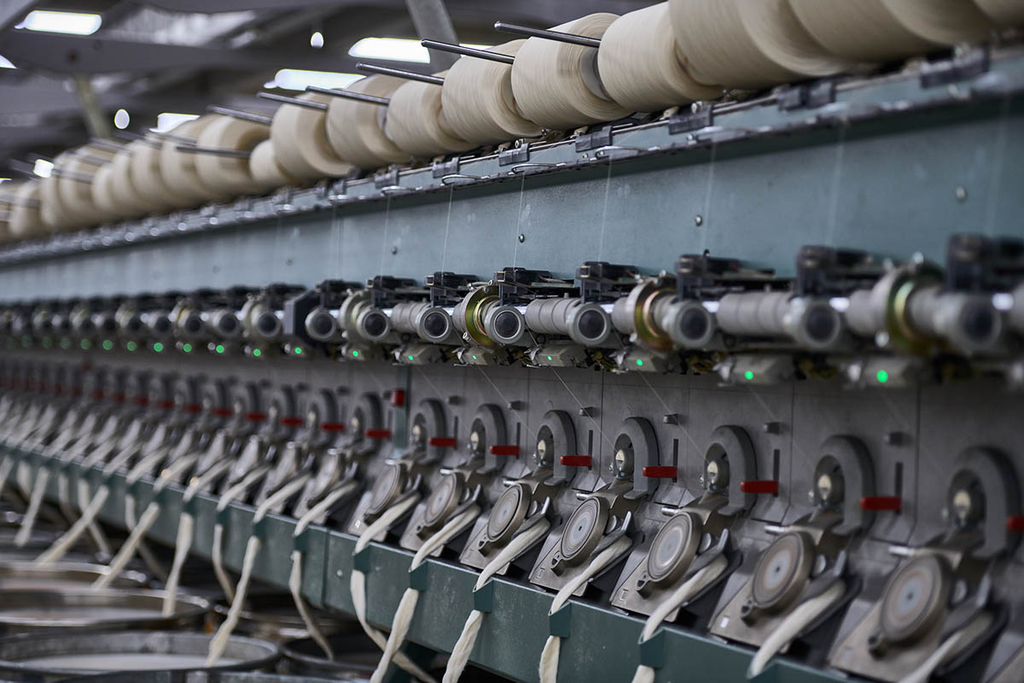
Pakistan’s Alkaram Textile Mills is another important example of how local manufacturing businesses can develop into internationally recognized operations. The company’s journey began in 1986, and it has developed a presence in textile manufacturing and exports. Its business covers several stages of textile production, including spinning, weaving, dyeing, fabric processing, stitching, and finished-product preparation. Its vertically integrated business model is particularly important because it allows different production stages to operate within a coordinated system rather than relying entirely on separate external suppliers.
The textile industry is one of Pakistan’s most important industrial sectors because it connects agriculture, manufacturing, retail, and international trade. Cotton is an important raw material, but modern textile production involves much more than simply converting cotton into fabric. Manufacturers must manage yarn quality, weaving patterns, dyeing processes, printing, finishing, stitching, packaging, and quality inspection. Each stage requires machinery, technical knowledge, and trained workers. Companies such as Alkaram demonstrate how a manufacturer can add value by controlling several stages of the production process.
Alkaram’s published manufacturing capabilities provide a useful example of industrial capacity. Its website lists 124,000 spinning spindles, 4,320 open-end rotors, 324 air-jet looms, and fabric-processing capacity of up to 275,000 metres per day for woven fabric. It also lists processing capacity of 40 tonnes per day for knitted fabric. These are company-reported installed or processing capabilities, not guaranteed daily output. Nevertheless, they demonstrate the scale and technical complexity involved in operating a large textile business.
Another reason textile manufacturers deserve attention is their contribution to export diversification. Instead of exporting only raw cotton or basic yarn, companies can produce finished garments, home textiles, bedsheets, towels, and specialized fabrics. Finished products offer opportunities to develop stronger brands and capture more value within the country. However, manufacturers must continue investing in efficient machinery, sustainable dyeing, water management, worker safety, and international compliance if they want to remain competitive in demanding global markets.
For anyone interested in understanding the textile industry, Alkaram’s manufacturing and capabilities pages provide a practical starting point. They explain how different production stages fit together and how an integrated textile operation works.
Website: Alkaram Textile Mills
Industry: Food processing, dairy, beverages, and consumer goods
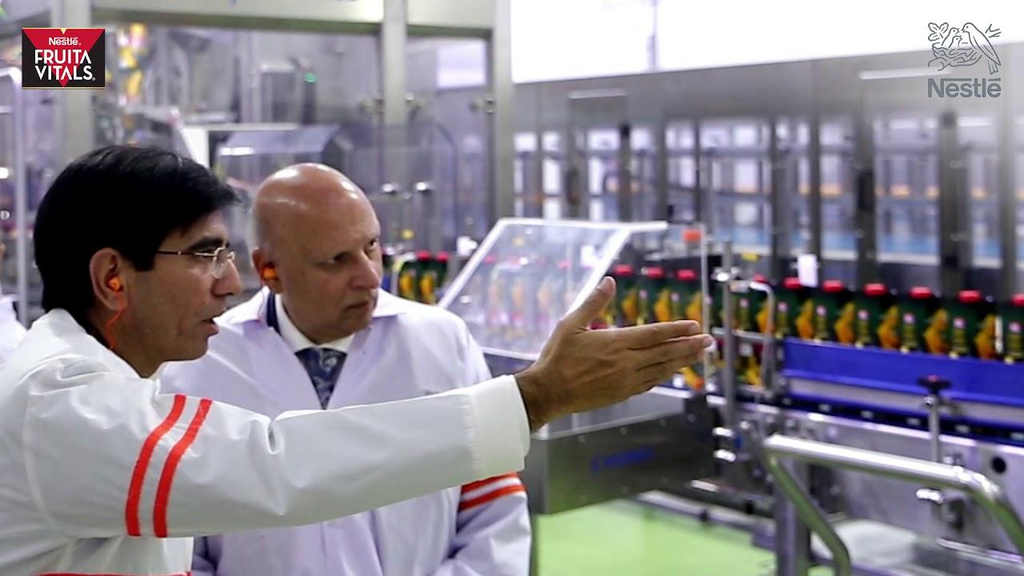
Food manufacturing is another major part of Pakistan’s industrial landscape, and Nestlé Pakistan provides a recognizable example. Nestlé Pakistan operates as part of the international Nestlé group and manufactures products for the local market. Its product categories include dairy products, beverages, bottled water, nutrition products, and other food items. The company has established manufacturing facilities in different parts of the country, supporting production and distribution across a wide consumer market.
According to Nestlé Pakistan’s company information, it operates four production facilities in Pakistan. Sheikhupura and Kabirwala are multi-product factories, while its Islamabad and Karachi facilities manufacture water products. This manufacturing network demonstrates how a large consumer-goods business needs geographically distributed production operations to serve different regions efficiently.
One particularly interesting part of food manufacturing is the complexity of its supply chain. For example, dairy production depends on farmers, milk collection centres, transportation, laboratory testing, processing equipment, packaging suppliers, warehouses, and retailers. Raw materials must meet specific quality and safety standards before entering production. Unlike some other manufactured goods, food products also require careful monitoring of hygiene, temperature, shelf life, and storage conditions. A small mistake in one stage can affect the quality of an entire production batch, which makes quality assurance extremely important.
Nestlé’s operations also illustrate how production capacity must be managed according to demand. A factory cannot simply manufacture unlimited quantities because its production schedule depends on raw-material availability, consumer preferences, storage facilities, distribution networks, and seasonal changes. For example, demand for certain beverages may increase during warmer months, while other food categories may experience different seasonal patterns. Effective forecasting helps manufacturers avoid unnecessary inventory, reduce waste, and ensure products remain available to consumers.
I also find food manufacturing particularly relevant to Pakistan because it creates opportunities for agricultural suppliers and local businesses. Farmers, dairy producers, packaging companies, transport operators, and retailers can all become part of a large food-production ecosystem. Companies operating in this category can therefore influence economic activity far beyond their own factories.
Readers can explore Nestlé Pakistan’s corporate information, sustainability initiatives, product categories, and career opportunities through its official website.
Website: Nestlé Pakistan
Industry: Cement and construction materials
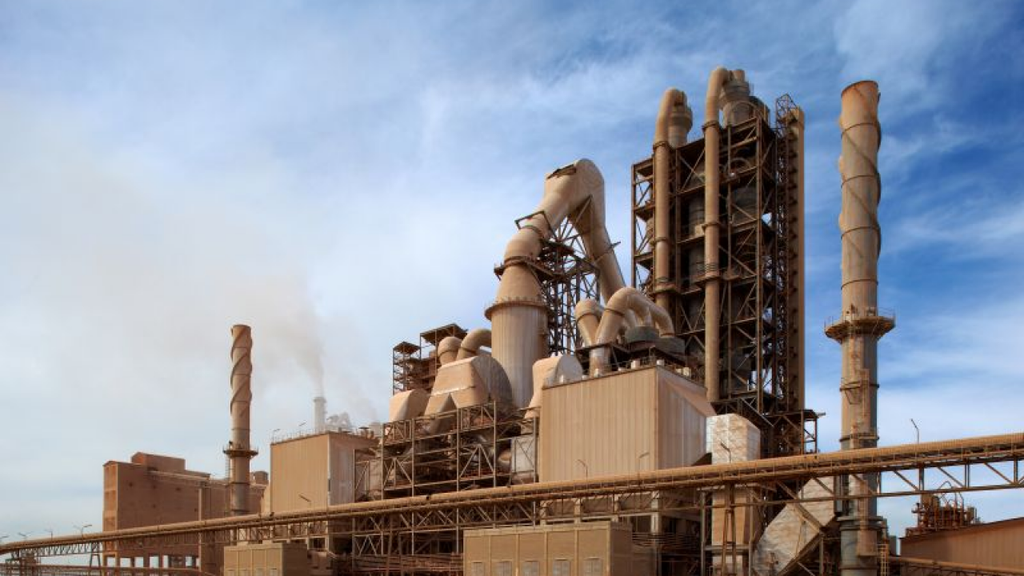
A country’s manufacturing industry is not limited to consumer products. Some of its most important businesses produce the materials required to build roads, bridges, factories, schools, offices, and residential buildings. Lucky Cement is one of Pakistan’s prominent cement producers and an important name in the construction-materials sector. Cement manufacturing is a capital-intensive process that requires specialized machinery, substantial energy resources, raw-material management, and carefully controlled production processes.
The manufacturing process begins with raw materials such as limestone and clay, which are extracted, crushed, blended, and processed at high temperatures in industrial kilns. The resulting clinker is then ground with additional materials to produce cement. Although this process sounds straightforward when explained in a few sentences, operating a cement plant requires advanced engineering, quality monitoring, maintenance, and continuous energy management. The equipment must withstand extreme temperatures and demanding operating conditions, while production teams must maintain consistent product specifications.
Lucky Cement is important because cement demand is closely connected to construction and infrastructure development. When residential construction, commercial projects, road networks, and industrial facilities expand, demand for cement generally increases. Conversely, when construction activity slows because of higher financing costs or reduced purchasing power, manufacturers can experience lower demand and pressure on their production volumes. Cement businesses must therefore manage production schedules, inventory, distribution costs, and energy consumption carefully.
Another important factor is environmental performance. Cement production involves significant energy consumption and process-related carbon emissions. Manufacturers around the world are exploring alternative fuels, energy-efficient equipment, waste-heat recovery, and lower-carbon cement technologies to reduce environmental impact. These improvements are becoming increasingly important as international customers, investors, and governments pay greater attention to industrial sustainability.
For readers interested in the construction-materials industry, Lucky Cement offers an example of how large-scale industrial production supports infrastructure development and creates opportunities for engineering, logistics, and technical-service businesses.
Website: Lucky Cement
Industry: Agricultural machinery and engineering
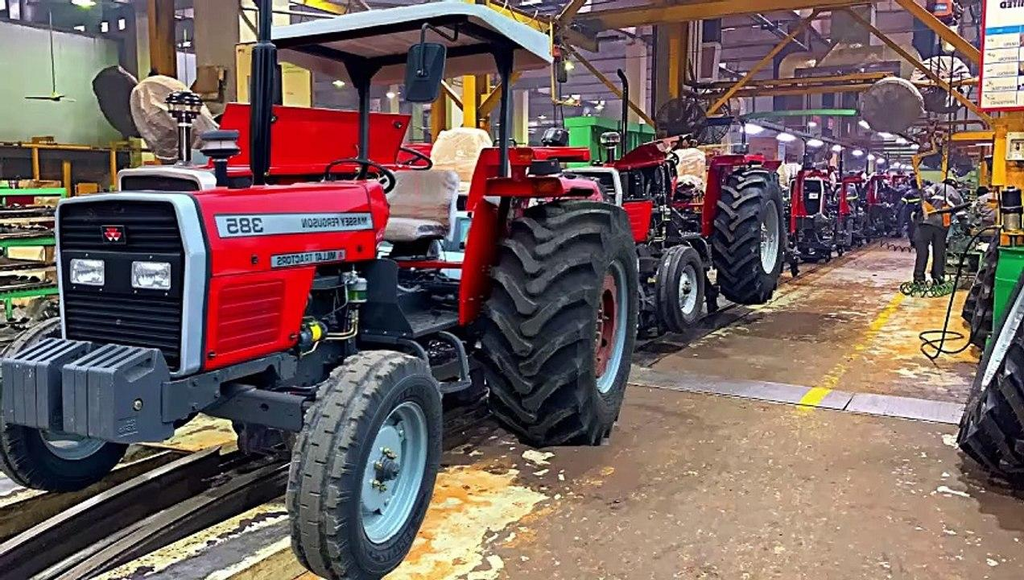
Agriculture remains a significant part of Pakistan’s economy, and the machinery used by farmers is essential to improving productivity. Millat Tractors Limited is a well-established manufacturer in this sector. Incorporated in 1964, the company is engaged in the assembly and manufacturing of agricultural tractors, implements, and multi-application products. Its head office is located in Lahore, and its business is closely connected to the agricultural and engineering industries.
Tractors are more than large machines moving across agricultural fields. They help farmers prepare land, cultivate crops, transport materials, operate implements, and complete essential farm activities more efficiently. Manufacturing agricultural machinery locally can also support the development of spare-parts suppliers, engineering workshops, repair centres, and technical training programmes. This is particularly important in a country where agricultural productivity has a direct influence on food availability, rural employment, and industrial raw-material supply.
Millat Tractors also demonstrates how manufacturing businesses can build connections with related engineering companies. Its group includes Bolan Castings Limited, which manufactures castings for the automobile industry, and Millat Industrial Products, which manufactures batteries for vehicular, industrial, and domestic applications. These businesses show how industrial groups can operate across connected product categories and develop a broader supplier ecosystem.
However, agricultural machinery manufacturers must understand the financial realities of their customers. Farmers’ purchasing decisions are influenced by crop prices, agricultural income, financing availability, government policies, and seasonal conditions. If farmers experience a difficult harvest or lower crop prices, demand for new tractors may decline. Manufacturers must therefore balance production capacity with market demand while providing reliable after-sales support, spare parts, and maintenance services.
For readers interested in engineering, agricultural technology, or industrial employment, Millat Tractors is a useful example of how manufacturing supports another major economic sector.
Website: Millat Tractors
Industry: Fertilizers and chemical manufacturing
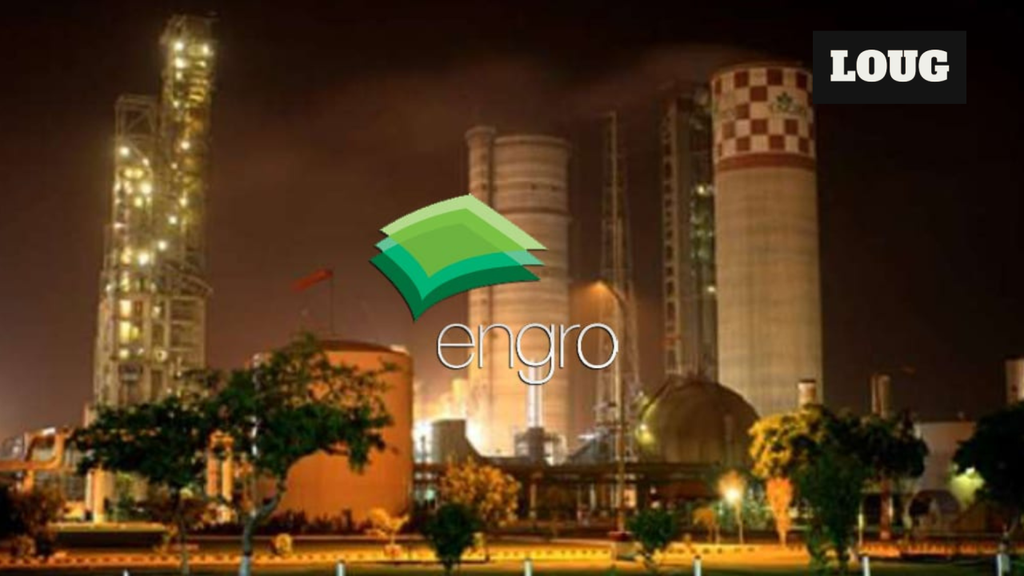
Fertilizer manufacturing may not attract the same attention as automobiles or consumer products, but it is essential to Pakistan’s agricultural supply chain. Engro Fertilizers is a prominent business in this category, producing fertilizers that support crop production. Its operations illustrate how industrial manufacturing can directly influence agricultural productivity by supplying inputs that farmers need to maintain soil fertility and improve crop yields.
Fertilizer production involves complex industrial processes and specialized chemical engineering. Manufacturers must manage raw materials, production equipment, energy consumption, safety systems, quality testing, and distribution networks. Products such as urea are manufactured through carefully controlled chemical processes, while other fertilizer products may contain different combinations of nutrients designed to meet agricultural requirements. Consistency is important because farmers need products that meet established specifications and provide predictable results.
The connection between fertilizer manufacturers and the broader Pakistan economy is especially important. Agriculture supplies food for domestic consumption and raw materials for industries such as textiles, sugar, food processing, and animal feed. If agricultural productivity improves, it can support several related industries. On the other hand, expensive fertilizer, supply disruptions, or poor agricultural conditions can place additional pressure on farmers and affect the businesses that depend on agricultural production.
Fertilizer companies must also manage production capacity responsibly. A large manufacturing plant requires considerable investment and must operate efficiently to justify its construction and maintenance costs. However, the industry is influenced by natural gas availability, energy pricing, agricultural demand, government policy, and international commodity markets. Companies must maintain reliable operations while ensuring that their products remain accessible to agricultural customers.
Readers who want to understand Pakistan’s fertilizer industry can explore company reports, product information, and investor publications. These resources are especially useful for understanding how industrial manufacturing connects with agriculture, energy, and food security.
Website: Engro Fertilizers
Industry: Hosiery, apparel, and textile manufacturing
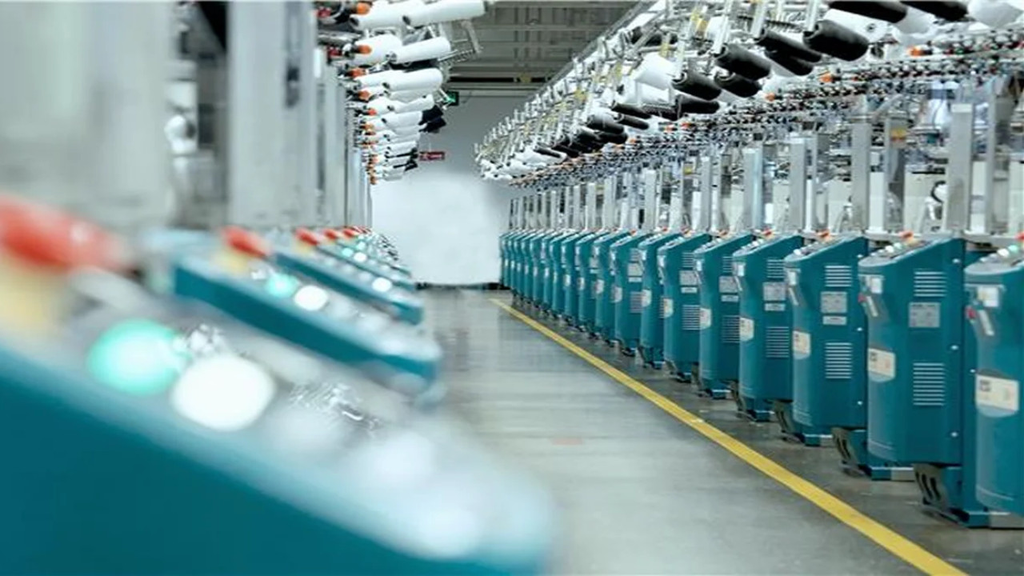
Another company worth examining is Interloop Limited, a Pakistani manufacturer associated with hosiery, apparel, and textile products. It provides another perspective on the opportunities available within the textile industry, particularly for businesses that manufacture finished products for international customers. Unlike companies focused primarily on raw materials or basic fabric production, finished-goods manufacturers must coordinate product design, material sourcing, production planning, quality assurance, packaging, and export logistics.
Hosiery manufacturing, for example, involves specialized knitting machinery, yarn selection, dyeing, finishing, and quality inspection. A single product category may require different technical specifications depending on the intended customer, material, design, and international market. This means manufacturers must maintain production flexibility while meeting strict quality expectations. Large international buyers often require suppliers to demonstrate consistent quality, timely delivery, workplace standards, and traceability throughout the supply chain.
Companies such as Interloop are important because they illustrate the value of moving towards higher-value finished products. Pakistan has an established reputation in textile production, but long-term competitiveness depends on more than manufacturing large quantities of fabric. Businesses need to develop product innovation, international customer relationships, efficient production systems, and strong compliance practices. The ability to manufacture products that meet the expectations of major international retailers can help Pakistani businesses secure long-term export opportunities.
This is also a useful lesson for smaller manufacturers and entrepreneurs. You do not necessarily need to build a factory capable of producing millions of products immediately. A business can begin by specializing in a particular product category, developing reliable quality standards, building supplier relationships, and gradually increasing its production capacity as demand grows. The key is to understand what customers actually want instead of manufacturing products and hoping someone will eventually buy them.
Website: Interloop Limited
Looking at these seven businesses, you may notice that they operate in completely different industries. However, successful manufacturers generally share several important characteristics. They understand their customers, maintain consistent product quality, manage production costs, invest in technology, and develop reliable relationships with suppliers. A company may have expensive machinery and a large factory, but without proper management and a clear understanding of market demand, even a well-equipped manufacturing business can struggle. Manufacturing is not simply about producing more products; it is about producing the right products at the right cost and delivering them to customers at the right time.
One of the first things I would examine when evaluating a manufacturer is its production capacity. In simple terms, production capacity refers to the maximum quantity of products a factory can manufacture within a specific period under defined operating conditions. For example, a textile factory might have the machinery to process 100,000 metres of fabric daily, while a food-processing facility may measure its capacity in tonnes or packaged units. However, installed capacity and actual production are two different things. A factory operating at 60% capacity is not necessarily inefficient; it might be adjusting production according to seasonal demand, available raw materials, or customer orders.
Capacity utilization is another useful measurement. It tells us how much of a factory’s available production capacity is actually being used. The basic formula is:
Capacity Utilization = (Actual Production ÷ Maximum Production Capacity) × 100
For example, if a factory can manufacture 10,000 units per month but produces only 7,500 units, its capacity utilization is 75%. This information can help business owners understand whether they need additional machinery, better production planning, more customers, or improved operational efficiency. Expanding a factory without sufficient demand can create unnecessary expenses, so manufacturers should carefully evaluate market conditions before investing in additional production equipment.
Technology is equally important. Modern manufacturing facilities use automated machinery, computer-controlled production systems, enterprise resource planning (ERP) software, digital inventory management, and quality-testing equipment. These technologies help businesses reduce errors, monitor production, improve consistency, and manage resources more effectively. For example, an automated textile machine can maintain more consistent fabric specifications, while digital inventory software can help a food manufacturer track raw materials and finished products. Technology does not eliminate the need for experienced employees; instead, it allows skilled workers to focus on more valuable tasks while machines handle repetitive operations.
Quality control is another factor that separates reliable manufacturers from businesses that simply focus on production volume. A manufacturer must ensure that its products meet the required specifications before they reach customers. This may involve laboratory testing, sample inspections, machinery calibration, production monitoring, packaging checks, and final product evaluations. International certifications such as ISO 9001 can also help businesses establish structured quality-management systems. In export markets, product quality, workplace safety, and environmental compliance can influence whether international buyers choose to work with a particular supplier.
Understanding manufacturing businesses can be useful whether you are an entrepreneur searching for suppliers, an investor researching industrial opportunities, a retailer looking for wholesale products, or a student exploring career options. However, choosing a manufacturing company should involve more than recognizing its brand name. A popular company might have a strong reputation, but that does not automatically mean it is the right supplier for your requirements. You should examine its product range, production capabilities, quality standards, delivery arrangements, financial stability, and customer-service practices before making a business decision.
I would start by identifying the exact product category you need. If you want textile products, for instance, you should distinguish between spinning mills, weaving units, dyeing facilities, garment manufacturers, and finished-goods exporters. These businesses operate at different stages of the supply chain, and not every textile manufacturer provides the same services. Similarly, someone looking for packaged food products should investigate food-processing companies rather than general consumer-goods distributors. Having a clear product requirement makes it easier to identify manufacturers that can actually meet your expectations.
The next step is to examine production capacity and manufacturing capabilities. Ask whether the company manufactures products in-house, outsources certain production stages, or operates a combination of both. You should also understand its minimum order quantity, available customization options, production lead time, packaging requirements, and ability to handle repeat orders. For example, a small retailer may not need a manufacturer capable of producing 100,000 units every month. A smaller supplier with flexible production arrangements could be a much better business partner.
Financial reliability and business credibility deserve equal attention. If you are planning a long-term relationship, review the company’s business history, official registrations, financial disclosures where available, and references from existing customers. For publicly listed companies, annual reports can provide valuable information about revenue, profitability, debt, capital investment, and business risks. For private manufacturers, you can request company profiles, factory information, product samples, and relevant certifications. If possible, arrange a factory visit before committing to a substantial order.
Here are some practical questions worth asking before selecting a manufacturing partner:
One additional point I would emphasize is the importance of building relationships rather than focusing entirely on the lowest quotation. A supplier offering a slightly cheaper product may not always provide consistent quality or dependable delivery. If your business depends on maintaining stock, a delayed shipment can cost you more than the savings you initially made. A reliable manufacturing partner should help your business grow, not leave you explaining to customers why their orders are still somewhere between the factory and the warehouse.
Pakistan’s manufacturing industry has considerable opportunities, but realizing its potential will require long-term investment and improvements in productivity. The recovery recorded in FY2026 is encouraging, particularly because large-scale manufacturing returned to growth after a difficult period. According to the Pakistan Economic Survey 2025–26, 16 out of 22 large-scale manufacturing groups recorded positive growth during July–March FY2026. Automobile manufacturing recorded 61.66% growth during this period, while food manufacturing expanded by 9.77%. These figures suggest that improving domestic demand, financing conditions, and industrial activity can support a broader manufacturing recovery.
The textile industry has significant opportunities in value-added production. Pakistan already has an established textile manufacturing base, but businesses can improve their international competitiveness by investing in modern machinery, better fabric finishing, technical textiles, sustainable dyeing, and branded apparel. Instead of relying heavily on basic textile products, manufacturers can explore specialized fabrics, sportswear, home textiles, industrial materials, and premium garments.
Sustainability will also become increasingly important. International buyers are paying greater attention to water consumption, chemical management, energy efficiency, waste reduction, and working conditions. Manufacturers that invest in cleaner production processes may find it easier to meet international buyer requirements and develop long-term export relationships. The opportunity is not simply to produce more fabric; it is to manufacture better products with greater value and a smaller environmental footprint.
Pakistan’s automobile industry can create opportunities beyond vehicle assembly. Local production of automotive components, electrical systems, batteries, tyres, precision-engineered parts, and specialized machinery could strengthen the domestic supplier network. Manufacturers can also explore opportunities associated with electric vehicles, charging infrastructure, and related components as the market develops.
However, developing a competitive automotive supply chain requires consistent product standards, technical expertise, investment, and reliable demand. International partnerships can help introduce modern manufacturing techniques, but local companies must also build their own engineering capabilities. A stronger component-manufacturing industry could reduce dependence on imported parts and create additional opportunities for small and medium-sized engineering businesses.
Food processing is another area with considerable potential because Pakistan produces agricultural commodities that can be converted into higher-value products. Businesses can explore packaged foods, dairy processing, frozen products, fruit processing, edible oils, snacks, beverages, and agricultural packaging. Better processing and storage facilities can also help reduce post-harvest losses and improve the availability of food products throughout the year.
There is also an opportunity to develop stronger export businesses around processed food. However, manufacturers must meet international food-safety requirements, maintain proper storage conditions, and develop packaging that protects products during transportation. Companies that combine reliable production with attractive branding and consistent quality can compete in both domestic and international markets.
Digital transformation could change how manufacturing companies operate over the coming years. Businesses can use software to track production, monitor machinery, manage stock, forecast demand, and identify operational problems. Technologies such as the Internet of Things (IoT), artificial intelligence, robotics, and predictive maintenance can help manufacturers make better decisions and reduce unnecessary downtime.
For smaller factories, adopting digital technology does not necessarily mean purchasing expensive industrial robots. Even a basic ERP system, barcode-based inventory tracking, automated accounting, and digital production reporting can improve efficiency. A manufacturer that knows exactly how much raw material it has, how many units it produces, and where its products are going can make more informed decisions than one relying entirely on paper registers and guesswork.
Energy costs are a major consideration for manufacturing businesses, especially those operating machinery continuously. Solar power, energy-efficient motors, waste-heat recovery, and improved insulation can help reduce energy consumption and improve long-term operational efficiency. Companies should evaluate these investments based on their production schedules, electricity requirements, financing costs, and expected savings.
Sustainable manufacturing also involves reducing water usage, managing industrial waste, recycling materials, and improving workplace conditions. These measures can benefit businesses financially while helping them meet environmental expectations in international markets. For Pakistan, developing more resource-efficient factories could strengthen industrial competitiveness and reduce pressure on already limited resources.
If you want to understand manufacturing beyond reading about individual companies, I recommend exploring official government publications, industrial associations, stock-market disclosures, and company websites. These sources can help you research production trends, identify manufacturers, understand industry regulations, and explore business opportunities.
The following resources are particularly useful:
| Resource | What you can learn |
|---|---|
| Ministry of Finance – Pakistan Economic Survey | Manufacturing growth, industrial statistics, economic performance, and sector reports |
| Pakistan Bureau of Statistics | Industrial production, trade statistics, exports, imports, and economic data |
| Pakistan Stock Exchange | Listed manufacturing companies, financial disclosures, and investor information |
| SECP | Company registration, corporate regulations, and business compliance |
| SMEDA | Small-business development, pre-feasibility studies, and entrepreneurship guidance |
| TDAP | Export development, trade opportunities, and international market information |
| Pakistan Standards and Quality Control Authority | Product standards, certification, and quality requirements |
If you are a student, begin with the Pakistan Economic Survey because it provides a broad understanding of the country’s industrial performance. You can then use Pakistan Bureau of Statistics publications to examine production and export figures for individual categories. For example, someone researching the textile industry can compare textile exports across different financial years and identify which product categories are experiencing stronger demand.
If you are an investor, the Pakistan Stock Exchange is a particularly useful starting point. You can find listed manufacturers and examine their financial statements, annual reports, shareholding structures, and corporate announcements. Remember that company revenue and profitability are different measurements, and neither should be considered sufficient on its own when evaluating an investment.
For entrepreneurs planning to start a manufacturing business, SMEDA can be particularly helpful. Its pre-feasibility studies provide information about potential business models, machinery requirements, estimated investment, and operating expenses. These reports are useful for initial planning, although you should verify costs and assumptions with current suppliers before making an investment.
Finally, company websites are valuable when you want to understand individual manufacturers. Most established businesses publish information about their products, facilities, management, sustainability initiatives, and career opportunities. Some also provide annual reports and investor presentations, allowing readers to explore their operations in greater detail.
Pakistan’s manufacturing industry is much more diverse and influential than many people realize. From automobiles and textiles to food processing, cement, agricultural machinery, and fertilizers, manufacturers contribute to the country’s industrial development in different ways. Companies such as Indus Motor, Alkaram Textile Mills, Nestlé Pakistan, Lucky Cement, Millat Tractors, Engro Fertilizers, and Interloop demonstrate how businesses can build production capabilities, develop supply chains, create employment, and serve domestic and international markets.
The latest economic figures also provide reasons for optimism. Manufacturing grew by 6.6% in FY2026, while large-scale manufacturing expanded by 6.1%. However, long-term success will depend on more than temporary improvements in economic conditions. Manufacturers need affordable and reliable energy, modern machinery, skilled employees, consistent policies, better infrastructure, and access to international markets. Businesses must also focus on sustainability, quality control, and technological innovation to remain competitive.
I believe Pakistan has the potential to become a stronger manufacturing destination if businesses, investors, policymakers, and educational institutions work towards a common goal. Entrepreneurs should explore opportunities in value-added production, smaller industrial supply chains, food processing, engineering, and textile exports. Consumers can also contribute by recognizing the value of locally manufactured products when they meet the required quality standards.
Ultimately, manufacturing is not just about factories, machines, and production figures. It is about creating opportunities, developing skills, strengthening businesses, and building an economy that can produce more of what it needs and compete with the rest of the world. The future of the Pakistan economy will depend partly on how effectively the country develops and supports its manufacturing businesses.
1. Which are the leading manufacturing companies in Pakistan?
Some prominent manufacturing companies in Pakistan include Indus Motor Company, Alkaram Textile Mills, Nestlé Pakistan, Lucky Cement, Millat Tractors, Engro Fertilizers, and Interloop Limited. They operate in different industries, including automobiles, textiles, food processing, cement, agricultural machinery, fertilizers, and apparel manufacturing.
2. Which industry contributes the most to Pakistan’s manufacturing sector?
The manufacturing sector includes several important industries, such as textiles, food processing, automobiles, chemicals, pharmaceuticals, and construction materials. Textiles are particularly important because of their contribution to exports, employment, and industrial activity. According to the Pakistan Economic Survey 2025–26, textiles accounted for 18.16% of the weighting in the large-scale manufacturing index.
3. How important is the textile industry to Pakistan’s economy?
The textile industry is one of Pakistan’s most important export-oriented industries. It creates employment, supports cotton farmers, generates foreign exchange, and supplies products to international markets. Pakistan’s textile exports reached approximately $17.89 billion in FY2025, demonstrating the industry’s importance to national trade and economic activity.
4. What does production capacity mean in manufacturing?
Production capacity refers to the maximum quantity of products a manufacturing facility can produce within a specific period under defined operating conditions. It depends on machinery, labour, working hours, production processes, and available resources. Businesses use capacity measurements to plan production, manage expenses, evaluate efficiency, and determine when additional investment is necessary.
5. How can someone start a manufacturing business in Pakistan?
Starting a manufacturing business requires identifying a profitable product category, researching market demand, preparing a business plan, estimating investment, sourcing machinery, arranging raw materials, and understanding relevant legal requirements. Entrepreneurs should also investigate production costs, workforce requirements, quality standards, and distribution arrangements. SMEDA, SECP, and TDAP are useful resources for researching business registration, feasibility studies, and export opportunities.

Share your details, and we will get back to you shortly!
This will close in 0 seconds
Share your details, and we will get back to you shortly!
This will close in 0 seconds