Physical Address
304 North Cardinal St.
Dorchester Center, MA 02124
Physical Address
304 North Cardinal St.
Dorchester Center, MA 02124

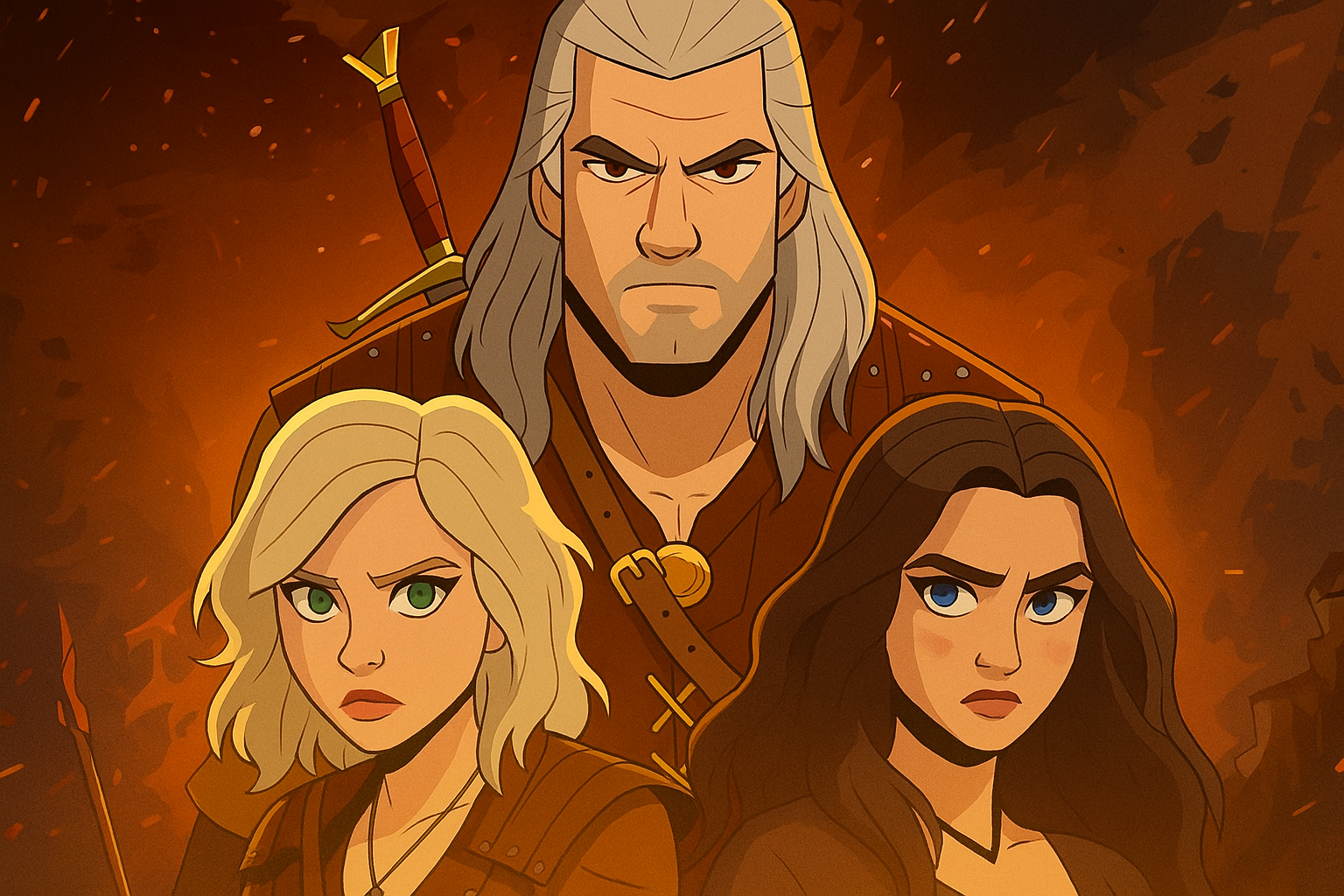
When Netflix first announced The Witcher Season 4, I’ll be honest-I was skeptical. Like many fans, I couldn’t imagine anyone but Henry Cavill as Geralt of Rivia. That gravelly voice, that stoic stare-it was iconic. Then came the news: Liam Hemsworth would take over the role. My first thought? “Wait, Thor’s little brother?” But now that I’ve actually seen it-and trust me, I watched the new season the moment it dropped-I can say this: it’s not just a comeback, it’s a reinvention.
When I sat down to watch Season 4 of The Witcher, I was ready to judge every frame to see if Netflix had managed to keep that same dark, magical essence that had hooked me in the first place. Surprisingly, within the first episode, I realized something important: the show didn’t try to replace Cavill; it reimagined Geralt.
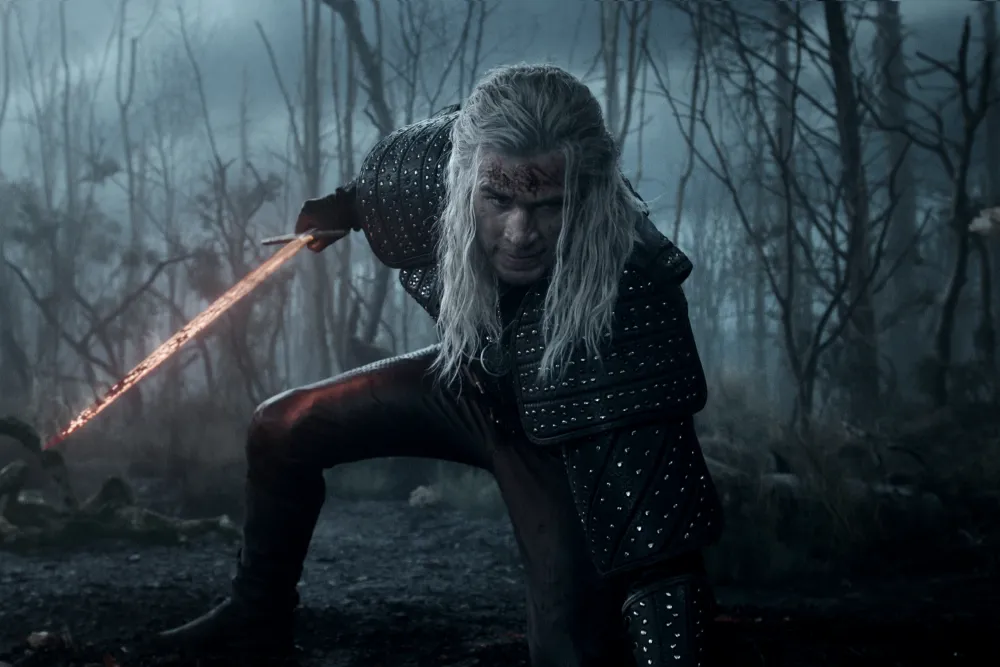
Liam Hemsworth brings something new: a more emotive, human touch to the Witcher we thought we knew. He isn’t trying to be Henry Cavill’s Geralt; he builds his own. This version feels more curious, more wounded, and strangely even more real. It’s like watching the same story through the frames of a slightly different lens-one that lets you see new shades in old tales.
So let’s talk about the elephant in the room, Liam Hemsworth. I know some fans are still skeptical, but let me tell you what I saw. His portrayal of Geralt feels very deliberate, mature, and surprisingly vulnerable. There is that monster-slaying swagger he carries, adding something Cavill’s version rarely showed: a hint of emotional chaos beneath the surface.
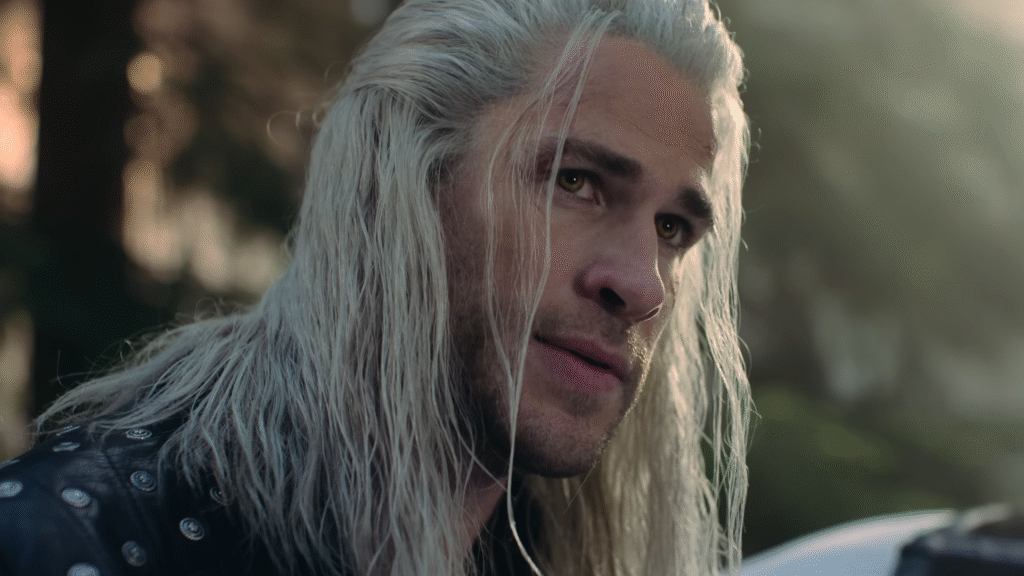
Watching him in the first battle scene, swinging that silver sword like it weighs nothing, I found myself thinking, “Okay, he’s got this.” And by the second episode, I stopped comparing him to Cavill altogether. That’s when I knew The Witcher 4 had found its rhythm.
Netflix clearly gave Hemsworth space to own the role, and it pays off: this version of Geralt is not just a warrior; he’s a man wrestling with destiny, love, and loyalty in ways we haven’t quite seen before.
If Season 3 of The Witcher was an arc of chaos and power, then Season 4 is all about identity and consequence. I especially noticed how the writers dived deep into the emotional core of each character. Ciri, Yennefer, and even Jaskier get layers of development that make them feel more real than ever.
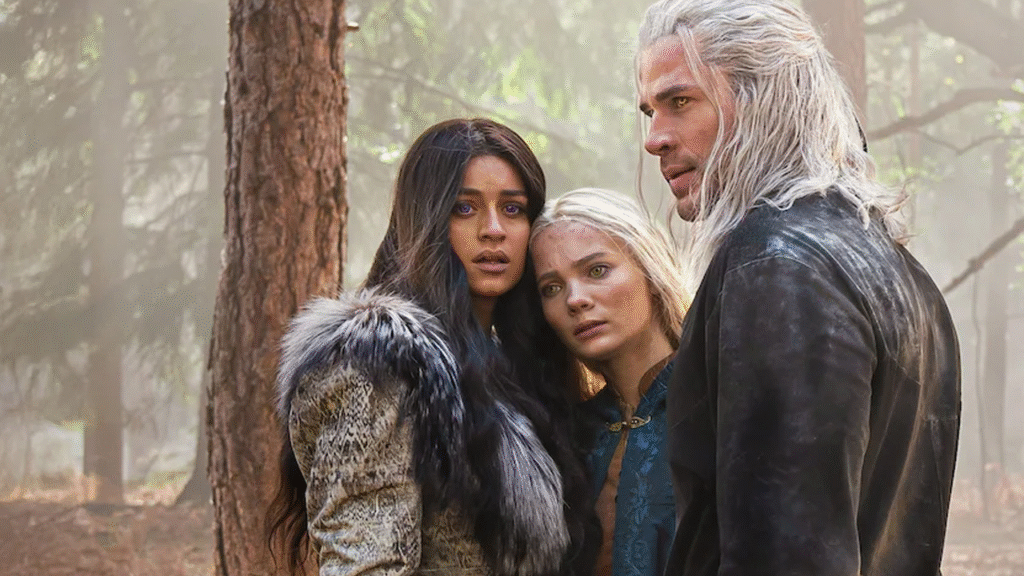
What really hit me most was Ciri’s journey. This isn’t about her powers anymore; it’s about what kind of person she wants to be in a world that constantly tries to define her. I love how The Witcher 4 balances world-ending stakes with deeply personal stories.
The cinematography supports this darker tone as well. Shadows, muted color palettes, and haunting soundtracks make every scene feel so heavy with meaning, like a painting that tells more than what meets the eye.
I’m a big believer that good entertainment isn’t about changing everything; it’s about evolving just enough. And that’s exactly what Netflix’s The Witcher Season 4 does.
It retains its signature monster hunts, intricate politics, and sharp dialogue but is inherently more focused. I found fewer confusing time jumps and a lot more clarity in the narrative. It felt like Netflix finally listened to what fans wanted: a smoother, cohesive story that still surprises us.
My favorite was when Geralt faced a monster not with his sword but with strategy and empathy; that showed this Witcher isn’t just a fighter but a thinker. That’s growth.
| Feature | The Witcher Season 3 | The Witcher Season 4 |
|---|---|---|
| Lead Actor | Henry Cavill | Liam Hemsworth |
| Tone | Political and chaotic | Emotional and introspective |
| Ciri’s Role | Discovering powers | Understanding identity |
| Geralt’s Focus | Duty-driven | Emotion-driven |
| Storytelling Style | Complex timelines | Streamlined narrative |
This transition makes the show feel reborn-familiar yet excitingly different.
I gotta give Netflix credit: this could’ve gone so, so wrong. Recasting a character mid-series is often a gamble; based on story rather than spectacle, they pulled it off.
The new season subtly acknowledges the shift without dwelling on it. The tone, direction, and even dialogue work in cohesion to reestablish The Witcher universe around Hemsworth’s version. It seems that Netflix understood all too well fans didn’t need a copy of Cavill-they needed continuity with creativity.

Even the supporting cast shines brighter this time. Yennefer’s arc, without giving too much away, hits emotional highs I never expected. And Jaskier? Let’s just say his songs have gotten wittier, and sometimes painfully honest. I actually found myself smiling more than once.
Now, let’s talk visuals — because, wow. The production quality in this new season feels cinematic. From eerie swamps to the fiery battlefields, everything looks sharper, more alive. The fight choreography has improved drastically; it is more fluid, more realistic, less flashy.
But what really impressed me was how the world itself feels more immersive: You can feel the passage of time, the weight of war, and the scars that previous battles have left. It’s not just fantasy for the sake of fantasy anymore; this is a living, breathing world.
Netflix has clearly invested heavily here, and it shows: every frame screams quality, every creature looks believable, and the magic effects finally feel like they belong in a top-tier Netflix series.
There’s this scene in The Witcher Season 4 where Geralt faces a moral dilemma: fight or forgive. That moment lingered because it wasn’t just about monsters; it was about humanity. It once again reminded me why I fell in love with the story in the first place. The Witcher is not about magic; it is about the people trying to survive in a world that does not always reward good intentions.
And yes, there are still the epic monster battles, the potion-fueled fights, and the signature growls — but they feel earned now. Less spectacle, more story.
I’ve seen mixed reviews online, with some critics calling it “a safe continuation” or “lacking Cavill’s gravitas.” I get where they’re coming from-Cavill was magnetic. But I think those takes miss something important: The Witcher 4 isn’t trying to be the same show; it’s trying to grow up.
As The Guardian’s recent review mentioned, Hemsworth brings “a more grounded energy”-and I couldn’t agree more. That grounding makes the show relatable. You’re not just watching fantasy; you’re watching people change, struggle, and adapt-much like us.
At its heart, The Witcher has always been about balance: balance between fate and free will, humanity and monstrosity. What Season 4 does brilliantly is explore that balance through new eyes.
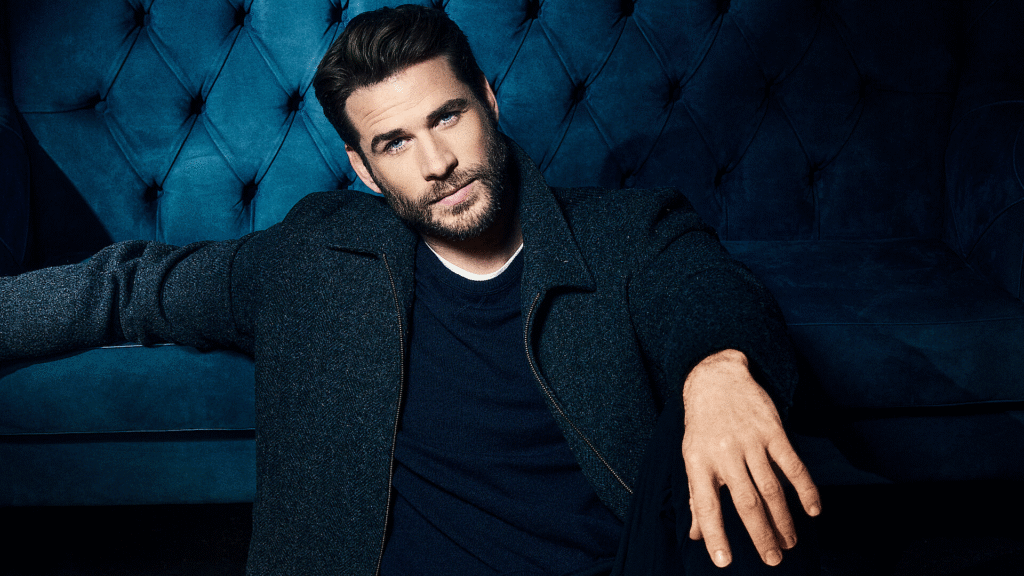
Liam Hemsworth’s version of Geralt feels like someone rediscovering his purpose. He’s scarred but hopeful, tired but driven, and that duality makes him worth rooting for. For the first time, I found myself emotionally invested beyond the sword fights.
Clearly, Netflix was going for maturity this season: fewer moments of flash, more depth of emotion. And for me, it worked beautifully.
As the credits rolled on the final episode, I sat back and realized something simple: The Witcher is far from over. It’s evolving. And maybe, just maybe, that’s exactly what it needed.
Of course, some people will resist this new version, at first. Change is difficult, particularly when it replaces someone we admired so much. But that’s the beauty of storytelling: it keeps moving, adapting, surprising us.
He’ll never wash away Henry Cavill’s legacy, and he doesn’t have to. He just has to keep on walking his path, and having seen The Witcher Season 4, I feel pretty certain he’s on the right one.

Share your details, and we will get back to you shortly!
This will close in 0 seconds
Share your details, and we will get back to you shortly!
This will close in 0 seconds