Physical Address
304 North Cardinal St.
Dorchester Center, MA 02124
Physical Address
304 North Cardinal St.
Dorchester Center, MA 02124


Studying in the United Kingdom has been a dream for thousands of Pakistani students, and honestly, I can understand why. The UK offers internationally recognised universities, diverse academic programmes, strong research opportunities, and the chance to experience life in a country where people from almost every corner of the world study and work. But there is one part of the journey that can make even the most organised student stare at a pile of paperwork and think, “Where on earth do I start?” That part is the UK student visa. The good news is that the process becomes much less intimidating once you break it into manageable steps and understand what UK Visas and Immigration actually expects from you.
If you are planning to apply from Pakistan, this guide is designed to make the process easier to understand without drowning you in complicated immigration language. I will walk through the journey from choosing your university and receiving your CAS to preparing your required documents, proving your finances, completing your visa application, attending biometrics, and waiting for a decision. I will also cover study abroad programs, study abroad scholarships, work restrictions, common mistakes, and what you should do after approval. The rules can change, so the figures and requirements below reflect current UK government guidance available in 2026 rather than relying on old information that may have been floating around online for years.
The UK continues to attract international students because it combines academic reputation with a relatively straightforward higher-education structure. Students can choose from undergraduate degrees, postgraduate programmes, research degrees, professional courses and a wide range of specialist subjects. For someone in Pakistan who wants to experience an international academic environment, the attraction is not simply about having “UK” printed on a degree certificate. It is also about exposure to different teaching methods, international classmates, independent research, professional networking and a culture where classroom discussions can feel very different from what a student may have experienced previously.
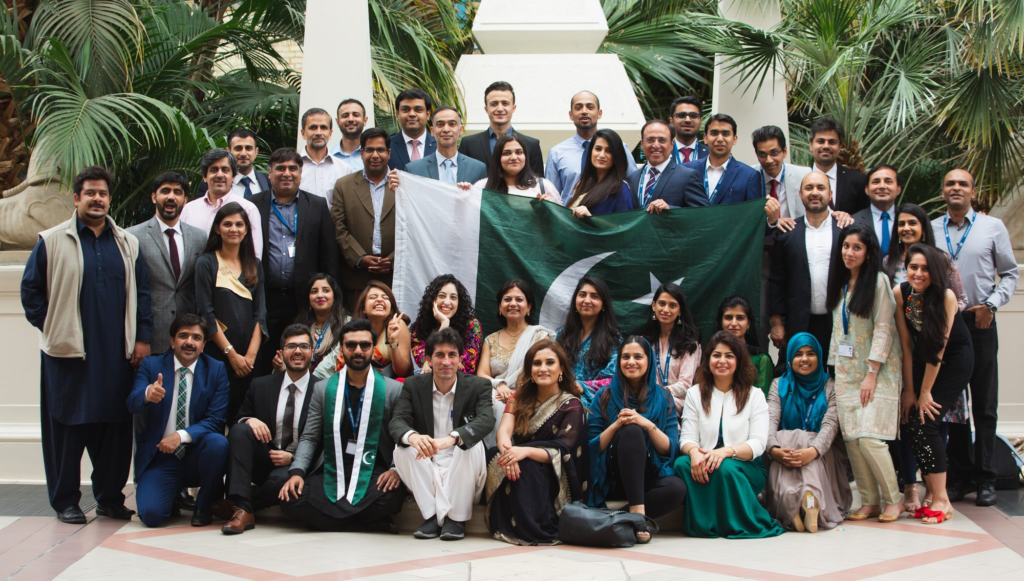
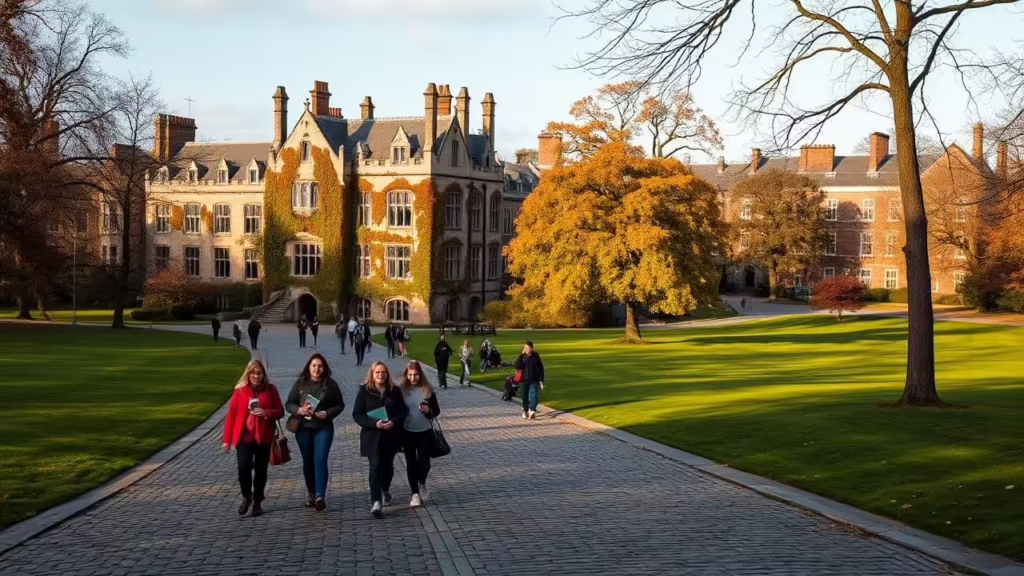
The UK also fits naturally into the wider world of study abroad programs. A student might begin researching options in Canada, Australia, Germany, the United States or Europe before eventually deciding that Britain offers the right combination of course length, university choice, location and career opportunities. London is an obvious magnet, but studying in the UK does not mean you have to live in London. Cities such as Manchester, Birmingham, Edinburgh, Glasgow, Leeds, Liverpool, Bristol and Nottingham offer major student communities and, in many cases, different living-cost profiles. That matters because your university choice affects not only your education but also the financial evidence you may need for your visa.
For me, one of the biggest mistakes prospective students can make is treating the visa as the starting point of the entire journey. Technically, you need a visa to study, but practically, the journey starts much earlier with choosing a sensible course and university. Your academic background, career goals, budget, location preference and future plans should all influence your decision. Selecting a random course simply because an agent says it is “easy to get admission” can create problems later if the course does not make sense alongside your previous education and career history.
A strong application tells a coherent story. You studied a particular subject, developed certain skills, selected a related programme in the UK and can explain why that programme makes sense for your future. That does not mean every applicant needs to write a dramatic life story worthy of a Netflix documentary. It simply means your academic and financial circumstances should be genuine, consistent and properly documented. A well-planned application is much easier to manage than trying to repair inconsistencies after you have already submitted everything.
The UK student visa is designed for eligible students aged 16 or over who want to study an approved further or higher education course in the UK. Your permission depends on the course and your circumstances, and the conditions attached to the visa matter just as much as the visa itself. You are generally allowed to study, but your work rights depend on your course level and the type of education provider sponsoring you. Some students can work during term time, while others have no permission to work, so assuming that every international student automatically gets the same work rights is a dangerous shortcut.
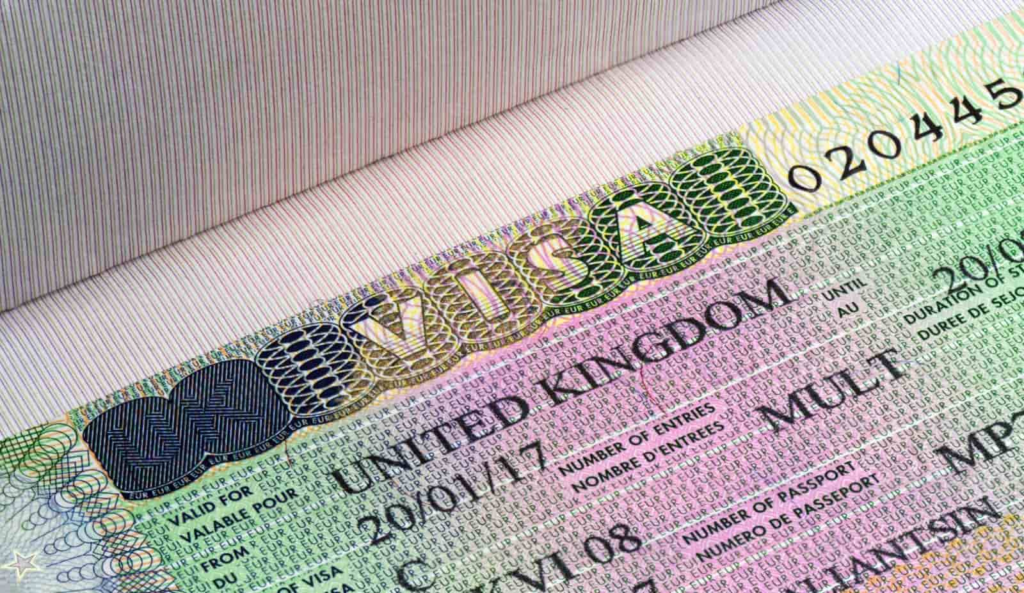
There is another important reason to understand the visa conditions before travelling: your visa is not simply an entry ticket. It determines what you can and cannot do while living in Britain. Students cannot claim public funds under the Student route and are restricted from certain types of employment, including professional sport. The exact conditions attached to your permission should always be checked carefully after approval because your individual circumstances and course determine the conditions that apply. Think of the visa as a contract: the UK gives you permission to study under certain rules, and your job is to understand those rules before you start your journey.
Before worrying about paperwork, decide what you actually want to study. This sounds obvious, but it is surprisingly easy to become obsessed with getting admission and forget to ask whether the course is genuinely suitable. Look at the curriculum rather than just the university’s ranking, because two universities can offer programmes with almost identical names but completely different modules, teaching styles and career outcomes. I would compare tuition fees, accommodation costs, transport, course duration, placement opportunities, entry requirements and graduate career support before making the final decision.
You should also distinguish between a standard degree and other forms of international education. Some study abroad programs are short-term arrangements connected to an overseas degree, while others are full UK qualifications. The Student route has specific rules about which courses qualify, so do not assume that any course advertised on an education website automatically qualifies for a Student visa. GOV.UK states that eligible courses must meet specific requirements, and students should check whether the visa route is appropriate before committing money to an institution.
When comparing universities, I recommend looking beyond glossy brochures. Check the official university website, course modules, entry requirements, tuition fees and information about international students. If an education consultant is helping you, use their advice as one source of information rather than treating every statement as immigration law. The university itself should ultimately provide the official details about your offer and CAS, while GOV.UK should be your main reference for immigration requirements.
Your course selection can also affect other parts of the application. For example, certain postgraduate subjects may require an Academic Technology Approval Scheme (ATAS) certificate depending on the course and nationality. If ATAS applies to you, you need to account for that before your visa application rather than discovering the requirement at the last minute. GOV.UK specifically advises some master’s-level applicants to check whether ATAS applies to their course.
The Confirmation of Acceptance for Studies, usually called the CAS, is one of the most important pieces of your Student visa journey. Your education provider issues it after you have accepted your place and satisfied the institution’s requirements. The CAS contains information about your course and sponsorship, and you will use its reference information when completing your visa application. GOV.UK states that you must apply within six months of receiving your CAS, so receiving it is not a signal to put the entire process into a drawer and forget about it.
Read the information associated with your CAS carefully before submitting the application. Check your name, course details, dates and fee information, and make sure the information you enter into the visa application matches the evidence you provide. A small spelling mistake might be harmless in some circumstances, but contradictions between your application, passport, academic history and financial evidence can create unnecessary questions. When I think about visa applications, consistency is one of the simplest forms of quality control: every document should tell the same story.
Money is one of the areas where applicants need to slow down rather than rush. You generally need to show that you have enough money to cover your outstanding course fees and living costs, unless an exemption applies. The amount required for living expenses depends on whether you will study in London or outside London, and the financial evidence has to meet specific rules. GOV.UK currently states that students need £1,529 per month for up to nine months in London or £1,171 per month for up to nine months outside London, in addition to the relevant course-fee requirement.
That means a student studying outside London may need to demonstrate up to £10,539 for living costs alone, while a student studying in London may need up to £13,761, before considering the relevant tuition fees. These figures are not suggestions about what your lifestyle will actually cost; they are the immigration financial requirement. Your real budget may be higher once you add accommodation deposits, flights, food, transport, clothing, university materials and those inevitable “I have just arrived in Britain, and apparently everything costs money” moments. Planning only for the visa minimum is therefore not the same as planning for your actual life.
The financial evidence must also satisfy the required holding period. GOV.UK says the money normally needs to have been held for at least 28 consecutive days, with the end of that 28-day period within 31 days of your visa application. This is exactly the kind of detail that can catch an otherwise prepared applicant because having the correct amount of money is not enough if the evidence does not meet the required timing rules.
Before submitting your application, I would therefore create a simple financial checklist. Confirm the tuition amount shown on your CAS, calculate the required maintenance amount based on your study location, verify the bank evidence period, and make sure any sponsorship or student-loan evidence meets the relevant rules. Official financial sponsors and certain qualifying student loans can be used in appropriate circumstances, so students should not assume that only one type of funding arrangement is acceptable.
The required documents vary depending on your circumstances, but GOV.UK identifies a current passport or other valid travel document and your CAS as core evidence for a Student visa application. You may also need financial evidence, a TB certificate, an ATAS certificate where applicable, evidence relating to parental consent if you are under 18, or written consent from a financial sponsor in certain situations. The exact list should always be checked against the official guidance for your individual application rather than relying on an old checklist downloaded from a random website.
Your academic documents can also matter even when they are not all uploaded in the same way for every applicant. Keep your degree certificates, transcripts, English-language evidence, admission correspondence, scholarship documents and financial records organised. If you have documents in a language that requires translation, deal with that early rather than discovering the problem two days before your biometric appointment. Good organisation may sound boring, but when you are dealing with immigration paperwork, boring is beautiful.

For many Pakistani applicants, English-language evidence is an important part of the preparation. The required level depends on the level of study. Under the current rules, students studying at UK bachelor’s degree level or above generally need English equivalent to CEFR B2, while students studying below degree level generally need B1. Depending on the circumstances, this can be demonstrated through an approved English test, an eligible qualification or an assessment by a higher education provider where permitted.
The key lesson is not to assume that “I studied in English” automatically means the visa requirement is satisfied. The rules specify what forms of evidence can be accepted. If an approved English test is required, make sure the test and provider are accepted for the relevant immigration purpose and that your scores meet the required level in the relevant components. Spending weeks preparing for the wrong test would be a particularly frustrating plot twist in an already expensive process.
Applicants coming from Pakistan for a UK visa lasting more than six months generally need a tuberculosis test if they meet the residence conditions specified by the UK government. The test must be completed through a Home Office-approved clinic; a certificate from an unapproved clinic will not be accepted. GOV.UK’s current Pakistan guidance lists approved locations including Islamabad, Lahore, Karachi and Mirpur, and the list should be checked before booking because clinic details can change.
As of the February 2026 update, the listed test fee for applicants aged 11 and above is PKR 14,000 at the relevant IOM clinics, while the fee listed for children under 11 is PKR 10,000. Fees and clinic arrangements can change, so I would treat those figures as a current reference rather than a permanent price promise. Take the identification and photographs required by the clinic and keep your certificate safely with the rest of your required documents.
Once your admission, CAS, finances, English evidence and other documents are ready, you can move to the actual visa application. The application is completed online, and you will need to provide personal information, passport details, course information, financial information and other answers relevant to your circumstances. Take your time while completing the form because this is not the place for creative guessing. If the form asks for an exact date and you are unsure, check your records instead of entering the first date that comes to mind.
The current Student visa application fee for applications made outside the UK is £558. The Home Office revised the fee from £524 to £558 from 8 April 2026, so older blog posts showing the previous amount are now outdated. The visa application is also separate from the Immigration Health Surcharge, which means applicants need to budget for both rather than assuming the £558 fee covers every immigration-related cost.
After completing the online application, you will need to prove your identity. Depending on the application process, this may involve attending a visa application centre to provide biometric information such as fingerprints and a photograph. Your appointment is not the moment to begin searching for missing paperwork. Prepare your documents beforehand and follow the instructions provided through your application and appointment process.
I would also recommend keeping digital copies of your important records. Store your passport copy, CAS details, financial evidence, TB certificate, academic documents, English-language evidence and application confirmation somewhere secure. It is much easier to retrieve a document from a well-organised folder than to search through dozens of WhatsApp conversations at midnight while wondering who sent you the PDF six weeks ago.
The headline application fee is £558 for a Student visa application made from outside the UK in 2026. However, the total amount you spend on your move to Britain can be considerably higher because students also have to consider the Immigration Health Surcharge, tuition fees, accommodation, travel, TB testing and potentially other services. The Immigration Health Surcharge for students is currently £776 per year, with the actual amount depending on the length of immigration permission granted.
This is why I would never recommend preparing a UK education budget using only the visa fee. Your university may require a tuition deposit before issuing your CAS, and your first month in Britain may include costs such as accommodation deposits, transportation, food, bedding, winter clothing and other essentials. A student who plans every pound around the minimum immigration requirement may technically satisfy one part of the process but still arrive financially stressed. A realistic budget gives you breathing room, which is valuable when you are already adjusting to a new country.
| Expense | Current reference |
|---|---|
| Student visa application from outside the UK | £558 |
| Living-cost requirement in London | £1,529/month, up to 9 months |
| Living-cost requirement outside London | £1,171/month, up to 9 months |
| Student Immigration Health Surcharge | £776/year |
| TB test in listed Pakistan IOM clinics, age 11+ | PKR 14,000 |
The figures above are based on current UK government guidance and can change, so applicants should verify the amount again immediately before applying.
One outdated detail from many older articles is the suggestion that every Student visa application takes around eight weeks. That is not the current standard for applications made outside the UK. GOV.UK currently says applicants applying from outside the UK will usually receive a decision within three weeks, although individual cases can take longer if additional checks or information are required. Applications made inside the UK generally have a different standard processing period.
This does not mean you should book a flight for the exact week you expect your decision. Immigration processing is not an airline timetable, and delays can happen. Build some flexibility into your university travel plans and follow the dates attached to your visa. If your course lasts more than six months, you may generally be able to arrive up to one month before the course begins, but you must not travel before the start date stated on your visa.

Many visa problems are not caused by a student failing to meet every basic requirement. Sometimes the problem is inconsistency, poor documentation or misunderstanding the rules. A student might enter one tuition figure on the application while the CAS shows another, misunderstand the financial holding period, submit the wrong type of English evidence or use a TB certificate from a clinic that is not approved. None of these problems are particularly glamorous, but they can turn a straightforward process into a stressful one.
Another mistake is relying entirely on social media groups. Online communities can be incredibly useful for hearing about other students’ experiences, but an applicant’s personal experience is not automatically an immigration rule. Rules change, fees change and individual circumstances differ. Use forums for practical experiences, but use official UK government guidance for requirements. That one habit can save you from following a piece of “expert advice” that was correct three years ago and completely wrong today.
Working while studying is one of the biggest questions students ask, especially when planning their budget. Under current Student route rules, eligible students on full-time degree-level courses sponsored by a higher education provider with a track record of compliance can generally work up to 20 hours per week during term time, with full-time work generally permitted outside term time. Some students on below-degree-level courses have a 10-hour term-time limit, while other categories of study may have no employment permission.
The important point is that you should not build your entire financial plan around part-time employment. Your visa requires you to demonstrate funds in advance, and working restrictions mean you cannot simply assume that you will arrive in Britain and work unlimited hours to pay your tuition. Treat part-time work as a possible supplement to your finances rather than the foundation of your immigration plan. And before accepting any job, check the exact work conditions attached to your permission.
Study abroad scholarships can dramatically change the financial picture for an international student. Universities, governments, charities and other organisations may offer scholarships or funding opportunities, although availability, eligibility and award amounts differ widely. Some scholarships cover part of tuition, while others may provide larger packages that include tuition, living costs or other expenses. The competition can be intense, so I would recommend starting scholarship research at the same time you research universities rather than waiting until after admission.
Scholarships also require careful documentation. If your funding comes from an official financial sponsor or another qualifying source, you may need evidence that satisfies the immigration rules. A scholarship advertisement saying “fully funded” does not automatically mean every visa-related expense is covered. Read the terms carefully, find out exactly what the award pays for, and keep the official sponsorship documentation because financial sponsorship can form part of your visa evidence.
Getting the approval email can feel like the finish line, but really it is the beginning of the next chapter. Before travelling, check your immigration status, course dates, university instructions and accommodation arrangements. Make sure you have access to your important documents and know where you are going when you land. The last thing you want after an exhausting flight from Pakistan is to discover that you know the university’s ranking by heart but have absolutely no idea how to get from the airport to your accommodation.
You should also understand the future options connected to your studies without treating them as guaranteed outcomes. The Graduate visa rules have changed, and GOV.UK currently states that graduates applying on or before 31 December 2026 can receive two years, while applications made on or after 1 January 2027 generally receive 18 months; doctoral graduates can receive three years. Because immigration policies can change, students should check the rules applicable when they actually become eligible rather than making a long-term plan solely around today’s rules.
A refusal can be upsetting, particularly after investing money and months of preparation, but it is important not to react emotionally. First, read the refusal decision carefully and identify the exact reason given by UKVI. The appropriate next step depends on the nature of the decision and the rights mentioned in your refusal notice. In some circumstances, an applicant may have an administrative review option, while other situations may require a fresh application or professional immigration advice.
This is also where qualified professional help can be valuable. Immigration advisers and lawyers cannot magically guarantee approval, and anyone promising a 100% visa guarantee should immediately make you suspicious. A genuine professional should examine your circumstances, identify weaknesses and explain the realistic options available. If you decide to challenge a refusal, follow the procedure and deadlines stated in your decision rather than relying on generic advice from an online group.
If I were preparing a UK student visa application from Pakistan today, I would treat the process like a project rather than a single form. I would create folders for admission, CAS, passport, finances, English evidence, TB testing, academic records, scholarship documents and application records. I would then check each item against the latest GOV.UK requirements before submitting anything. This approach sounds almost painfully organised, but immigration applications reward consistency far more than last-minute heroics.
I would also start early enough to leave room for unexpected problems. A missing document, delayed university response, financial evidence issue, TB appointment or English-test complication can quickly eat into your timeline. Do not wait until the week before your intended travel date to discover that you needed a document you could have obtained months earlier. Your future self will be extremely grateful that your past self was slightly boring and organised.
A few habits can make a meaningful difference:
The biggest principle is simple: do not try to outsmart the system. Build a genuine application that accurately represents who you are, what you intend to study, how your education will be funded and why your documents support the information you provide.
Obtaining a UK student visa from Pakistan may look complicated when you first see the list of requirements, but the process becomes far more manageable when you divide it into stages. Start by selecting a legitimate course and university, understand your offer and CAS, prepare your finances, collect the required documents, satisfy the English-language requirement, complete your TB test where necessary and then submit your online visa application carefully. Current UK rules also make it important to check fees, financial requirements and processing times because information published a few years ago may no longer be accurate.
The real secret is preparation. Your study-abroad journey should not begin with panic over a missing bank statement or confusion about a visa condition. Whether you are exploring study abroad programs, searching for study abroad scholarships, preparing your finances or getting ready for your biometric appointment, give yourself enough time to do each step properly. The UK can offer an exciting academic and personal experience, but the journey starts with getting the paperwork right. A little patience, a lot of organisation and a healthy suspicion of outdated internet advice can take you much further than rushing through the process.
1. How much does a UK Student visa cost in 2026?
The current Student visa application fee for an application made outside the UK is £558. Students should also budget separately for the Immigration Health Surcharge, tuition fees, accommodation and other study-related expenses.
2. How much money must Pakistani students show for a UK Student visa?
For students applying under the current financial rules, the maintenance requirement is £1,529 per month for up to nine months in London or £1,171 per month for up to nine months outside London, in addition to relevant course fees. The required funds generally need to be held for at least 28 consecutive days under the applicable rules.
3. Do Pakistani students need a TB test for a UK Student visa?
Generally, students coming from Pakistan for more than six months who meet the relevant residence conditions need a TB test. The certificate must come from a Home Office-approved clinic.
4. Can international students work in the UK?
Some Student visa holders can work, but the number of hours depends on their course and education provider. Eligible degree-level students can generally work up to 20 hours per week during term time, while other students may have a 10-hour limit or no employment permission.
5. How long does a UK Student visa application take?
For applications made from outside the UK, GOV.UK currently says applicants will usually receive a decision within three weeks after completing the relevant application and identity requirements. Actual processing can vary, so students should avoid making inflexible travel plans around the expected decision date.

Share your details, and we will get back to you shortly!
This will close in 0 seconds
Share your details, and we will get back to you shortly!
This will close in 0 seconds






[…] How 1 UK Student Visa Can Turn Your Study Abroad Dream Into a Powerful Career Opportunity […]