Physical Address
304 North Cardinal St.
Dorchester Center, MA 02124
Physical Address
304 North Cardinal St.
Dorchester Center, MA 02124


When I first learned about the concept of personality type, my initial reaction was that it was yet another label that people assign themselves to fit within a specific category. But as time went on, I realized that there was far more substance to the idea of personality type than that. My personal belief is that one’s personality type is the very code for how they interact with the world, from their responses to difficult scenarios and communication styles to decision-making.
For me personally, gaining an insight into my type helped me understand myself better. Before, all my behavior patterns were just random acts of nature, but once I understood my personality, all those traits, including my strengths and weaknesses, made sense. The process helped me stop resisting who I am and start embracing my true self.
Research also backs up this assertion. The most commonly used personality theory is the Big Five Model which describes personalities based on traits such as Conscientiousness, extraversion, etc, which we will discuss further in detail. These are on a continuum and dictate one’s interactions in the work environment. Hence, rather than assume the existence of an optimal personality, I now know that one achieves success through knowledge of and balance between such traits.
When I delved into the Myers Briggs Personality Test, it was akin to a revelation. It categorizes individuals into 16 different personality types based on four critical criteria, which include whether one is an introvert or an extrovert and thinking versus feeling. This test opens a whole new dimension since it gives a complete picture of one’s personality and behavior.
This particular test gave me insight into my personality as well as highlighted areas that I need to develop more. I realized why some situations led to me overthinking or why I prefer working alone at times. It helped me gain an understanding of myself.
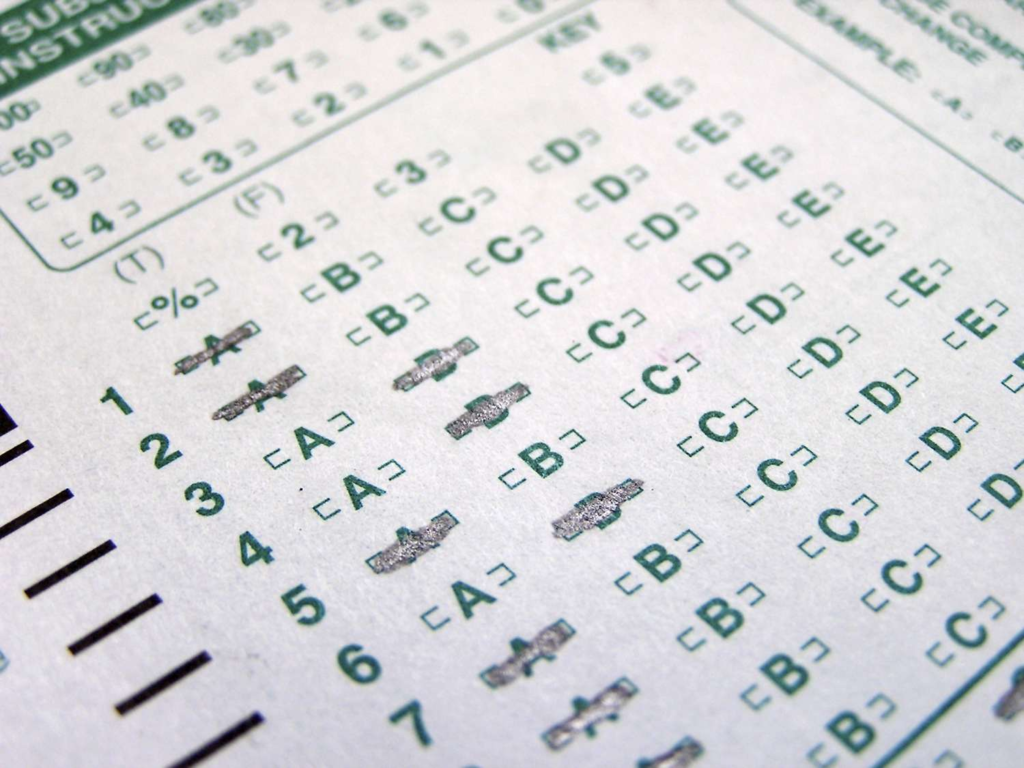
While on the one hand, I have come to love and appreciate the myers briggs personality test, there is no denying the fact that I also discovered that it is far from being perfect. Indeed, scientists argue about its accuracy and suggest that it is sometimes inconsistent with scientific results. Yet personally, I think it cannot be considered a downside since to me it is merely a tool that is aimed at helping people learn about themselves.
The most valuable thing in the test is that it makes you understand yourself better and thus helps you grow in the right direction.
It should be noted that Conscientiousness, Openness, and extraversion belong to the Big Five personality traits that completely transformed my outlook on personality. What I liked most about those personality traits is the fact that they are not mutually exclusive but exist on the spectrum instead. Thus, instead of being labeled as Introvert or Extrovert, you become someone who possesses all the personality traits in various amounts .
Such mental transformation is really significant because then you finally come to the realization that you have the ability to shape your own personality.
As soon as I decided to work on my Conscientiousness, everything fell into place. These people are characterized by being well-organized, responsible and disciplined. People possessing such trait always try to be planned, timely, reliable and consistent.
In the beginning it was hard for me to keep up with my plans because I was inconsistent at first. But as time passed, small steps became my new daily habits that helped me achieve great success.
And what amazed me most of all was that I gained control of my life by being responsible and reliable, and not just simply responding to things around me.

This is how becoming more conscientious made a difference for me:
There is nothing wrong with perfectionism; there is something wrong with perfectionists. Having this trait does not mean striving for perfection, but it means being intentional.
Exploring my Openness was like unlocking a secret door. As you probably guessed, this quality refers to your interest in learning and trying new things.
Initially, I preferred avoiding risks and staying within my comfort zone. However, once I embraced it, I started exploring new possibilities and expanding my horizons.
Based on personal experience, these things made me more open:
Openness is not only related to creativity, but it also provides adaptability, which is highly valued nowadays.
After learning about it, I gained insight into the reasons for my response to social situations. An extravert receives energy from socializing and feels motivated due to being an extrovert.
It became clear to me that whenever I socialized by networking, collaborated with others, or had meaningful discussions, I received more social energy.

Some of the benefits of being extraverted include:
One does not necessarily have to be born an extrovert to socialize; anyone can become social and communicate effectively.
Another lesson I have learned concerns my own ability to relate to others successfully. This is all about agreeableness, which is all about being kind, empathic, and a great team player.
As soon as I started paying attention to agreeableness, I immediately felt improvements in how people reacted to me. People got more friendly and understanding, and it was easier to communicate with them.
However, there needs to be a balance here, for extreme agreeableness can also mean subordinating your personal interests to those of other people. Thus, it was vital to learn the right combination of empathy and assertiveness.
At first, I believed that neuroticism was just another weakness to be corrected. However, over time, I understood that neuroticism could be an excellent source of motivation.
Moderate levels of neuroticism make one strive for perfection, preparation, and success, which is why you need to pay attention to it, not avoid it at any cost.
Easy things such as mindfulness, exercise, and improved planning have allowed me to change stress into productivity. And that has totally transformed my approach towards challenges.

This is what I learned: No one type of personality will guarantee success. What is important is the combination of traits.
For instance:
| Trait | Role in Success |
|---|---|
| Conscientiousness | Discipline and consistency |
| Openness | Creativity and innovation |
| Extraversion | Networking and communication |
| Agreeableness | Relationship building |
| Neuroticism | Motivation and awareness |
All of a sudden things became clearer for me. It wasn’t that I had to alter my character; I just wanted to utilize what I had better.
I would say that one major thing that I have realized over the course of my experience is that your personality type is your strength, not your hindrance. Be it either through myers briggs personality test or by understanding the Big Five traits such as Conscientiousness, Openness and extraversion, self-awareness is the ultimate aim here.
Once you get to know yourself, you will be able to transform.
1. Can I change my personality type?
Yes, while core traits remain stable, you can develop behaviors and habits that improve different aspects of your personality.
2. Is the myers briggs personality test accurate?
It’s useful for self-awareness, but it’s not scientifically perfect. Treat it as a guide, not a final answer.
3. Which personality trait is most important for success?
Conscientiousness is often linked to success because of discipline and consistency.
4. Can introverts be successful like extroverts?
Absolutely. Success depends on how you use your strengths, not your personality label.
5. How do I find my personality type?
You can take tests like the myers briggs or Big Five assessments to understand your traits.

Share your details, and we will get back to you shortly!
This will close in 0 seconds
Share your details, and we will get back to you shortly!
This will close in 0 seconds