Physical Address
304 North Cardinal St.
Dorchester Center, MA 02124
Physical Address
304 North Cardinal St.
Dorchester Center, MA 02124

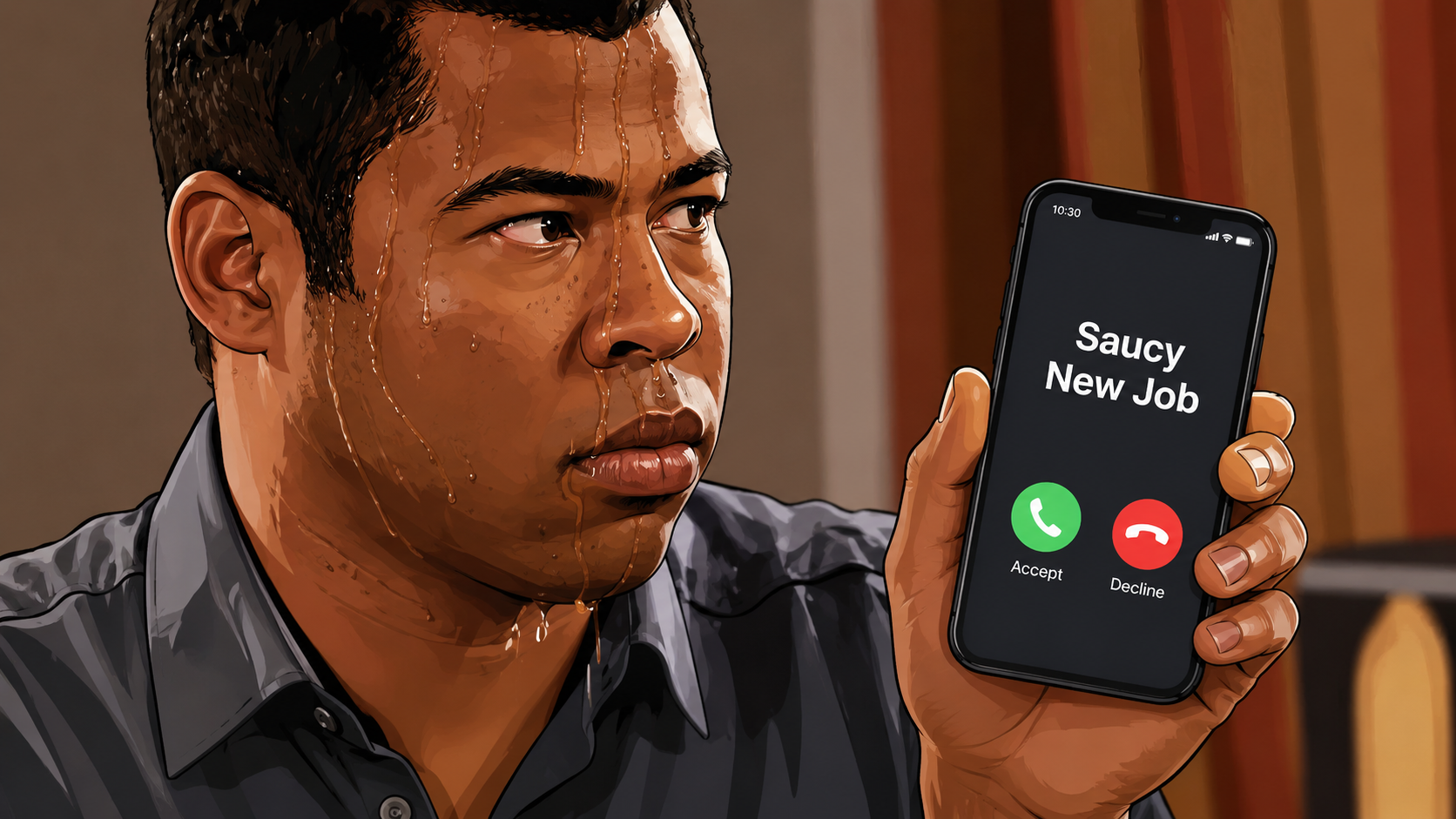
Getting an offer from a potential employer can be very rewarding. The effort one puts in preparation of his/her CV, attending numerous interviews, responding to hard questions, and finally being offered employment can give one joy and satisfaction. However, it may happen that the job does not suit you anymore, perhaps because a better offer appeared somewhere else, or maybe you have grown tired of the position you are supposed to undertake. For whatever reason for the rejection of the job offer, it is necessary to know how to decline a job offer gracefully and respectfully.
It seems natural for one to think about the consequences of rejection, such as being disrespected by the hiring manager or losing chances for future opportunities in that organization. I used to think this way too. In reality, one must realize that the recruiter knows that he/she has options. How one will refuse the offer speaks volumes about one’s maturity and professionalism. Moreover, declining a job offer can positively impact the candidate many years after.
Most career coaches always advise aspiring professionals to take advantage of their professional connections. You never know when the recruiter who made you a counteroffer might someday hire you or recommend you to another employer. For this reason, declining a job offer appropriately is one of the skills worth considering in your professional development. This manual contains many practical tips, useful recommendations, and valuable advice that will definitely help you learn how to politely refuse an employer.
The vast majority of applicants are concentrated only on the interview and the moment of receiving an offer. They do not give much thought to the case when something goes wrong, and they must reject it. However, you should realize that the company spent considerable effort, including numerous weeks and months, recruiting you.
As my knowledge of employment procedures grew, I realized the importance of clear communication much more than the importance of any silence or vagueness. Consider organizing a dinner party with an invitation to the guest who does not confirm either way if he or she is going to participate. This situation becomes very annoying for you. The same happens when candidates become unresponsive after making them an offer.
It becomes easier to understand how to decline a job offer when we realize its advantages for those organizations offering it and us. Refusing professionally will make the employment process easier, helping both you and your potential employers move on without delays. In our modern business society, a person’s reputation becomes a more reliable currency than his or her resume.
The fact is that the refusal itself is not the problem at all. The bad handling of declining a job offer becomes the problem. Refusing an employment offer properly might even boost your professional image rather than damage it.

Another common mistake among applicants is putting off their decision once they’ve decided not to accept the offer. As soon as I am done with my decision, I think it should be immediately communicated. Putting it off does nothing but create a lot of uncertainties and may hinder the recruiting efforts of the company.
In most cases, there are other candidates who may be called into action whenever they hear back from you. Every day spent putting off the response may impact the deadlines set by the company, the workload of the team, as well as the budget. Giving an immediate answer shows respect for the efforts put forth during the recruiting process and is a manifestation of a highly professional attitude.
Moreover, giving an immediate answer helps avoid unnecessary anxiety since recruiters prefer having clear information instead of having to guess. It’s better to address unpleasant issues right away even if it’s uncomfortable.
This action shows great respect toward other people’s time, which makes a significant difference. Such actions may prove to be useful in the future and help make a good first impression.
Being honest is very important when learning how to turn down a job offer. This is because employers will always love straightforward communication because of how much they stand to benefit from it. Nevertheless, being honest must be coupled with tactfulness and diplomatic communication skills.
If you accepted a job offer from one firm for a bigger salary than what the current offer has, there is no need to insult the employer by saying that he cannot afford paying what you want. On the other hand, if the position does not fit your career path at all, explain why you feel this way but avoid offending the position itself.
I think that the best answers in situations like this are simple, clear, and direct. There is no need to provide long explanations or justifications for all the things you did. Just let the employer know that the job you are offered does not fit your career plans.
The truth is that each email, letter, or phone conversation leaves a mark about yourself to the person who hears/reads it. Hence, honesty combined with tact will help you retain your professional reputation and relationships.

One of the most underrated things about declining a job offer is showing your gratitude. Whether you accept or not, some people took the time to assess your skills, interview you, and give you the opportunity to get the job. This shows your maturity and gratitude towards the effort done.
The best place to start your communication would be with saying thank you for the opportunity. By giving a reason for your thanks, your gratitude may seem more sincere and not just a generic thank you message. For example, maybe you found the discussion about future projects interesting or you liked meeting the people there.
Studies from psychology have shown how beneficial it is to express your gratitude in the workplace. Not only does it help build your reputation as a person who values others’ efforts, but it also helps end the conversation with a smile.
Expressing your gratitude is like leaving a tip for the service; it costs you nothing but leaves you a positive memory.
All hiring processes don’t go as planned. Sometimes they might be poorly organized, slow-paced, or the offered position might not meet the advertised standards. In any case, professionalism will help one handle the situation appropriately.
I’ve seen instances where candidates hurt themselves by letting out their frustrations while declining the offer. While tempting, such an emotional response never results in something positive. Being professional means being in control of one’s decision-making process.
Many organizations tend to share all the details about candidates with their internal employees, and industries are much smaller than expected. A recruiter that you’re criticizing today might end up working at some other company, and the manager you insult might have to deal with your resume a few years down the road. Being professional is an asset for the future.
The trick here is to stay respectful and objective in any situation, regardless of its complexity. It is always better to act professionally and positively influence the outcome than behave emotionally.

Sometimes the answer is not “never,” but “not right now.” One of the best tactics to learn in the art of how to decline a job offer is always leaving open the possibility that you may be interested in the future. Markets shift, companies grow, and career paths take different directions. An opportunity that does not make sense today might make sense someday.
In any discussion where you turn down an offer, remember the importance of telling your prospective employer that you enjoyed talking to him or her and would love to stay in touch for a potential discussion later on if things change.
I have seen professionals gain offers of employment many months or even years later because of the fact that they said no in the most courteous way possible. They left a positive impression, and the company recalled it when an appropriate position came up.
The metaphor of networking is often described as one of planting seeds. Seeds may take some time before sprouting, but nurturing the relationship will increase that possibility.
When declining a job offer of employment, the extent of information to give is always a question mark on many people’s minds.
For instance, when the determining factor is money, then a small note is all that is required. There is absolutely no requirement to go into details regarding finances and making comparisons with other job offers. Likewise, if another job suits you better, then a short note should suffice.
The aim here is not to justify your choice, but to effectively communicate it to the hiring manager. It will be understood by most hiring managers that you consider more than the pay package when assessing an opportunity.
Often times, a short note coupled with politeness leaves a lasting impression on many individuals.
It is often believed that the discussion is concluded once one rejects a job offer. In actuality, sending a short note after rejecting an offer goes a long way in leaving a lasting positive impression. A short follow-up email demonstrates excellent professional courtesy.
By following up with a small note, you get to extend your gratitude and convey respect.
This is akin to what I term “shaking hands” at the end of a business meeting. You have finished your conversation, but having a good ending will leave a better impression than just leaving. Companies will definitely recall applicants who were able to communicate properly even until the very end.
These seemingly trivial acts can help create a reputable image, one that will be useful for the rest of your career.

Despite having good intentions, some candidates still commit certain blunders on how to turn down a job offer. Here are some common mistakes that you must avoid to safeguard your reputation.
| Mistake | Why It Hurts |
|---|
| Ignoring the offer | Creates confusion and appears unprofessional |
| Responding too late | Delays hiring decisions and frustrates recruiters |
| Being overly critical | Damages relationships and future opportunities |
| Providing dishonest reasons | Can harm credibility if discovered later |
| Using informal language | Reduces professionalism |
| Burning bridges | Limits future networking and career possibilities |
All these errors require minimum effort to avoid, yet they can bring about some great rewards. Professional communication is often what distinguishes excellent candidates from mediocre ones.
Every time I write a rejection email, I rely on a formula that is easy to follow:
It takes only several sentences, while still being clear, respectful, and professional. Your response will neither confuse anyone nor sound like an unprofessional message.
The greatest strength of such an approach is its simplicity. Everyone gets the point, and your reputation is preserved in all cases.
How to decline a job offer is something every job seeker must learn as part of his/her professional life. Although it is always thrilling to get an offer, not all of them may fit your expectations. What matters is not the decision itself, but the way you make it.
By acting quickly, showing sincere appreciation, being professional, and being honest, you can ensure that your reputation remains intact while maintaining important connections. Learning how to turn down a job offer in a professional manner means that even when you decline an offer, you will be leaving a good impression.
A career is a long road with many turns and surprises ahead. The very organization you reject today might be part of your future one day. Respect every encounter, and your professional connections will keep on building.
Ideally, you should respond within a few days after making your decision. Prompt communication demonstrates professionalism and respect for the employer’s hiring process.
Yes, although it is best to do so as soon as possible. Explain your situation honestly and apologize for any inconvenience caused.
A brief explanation is usually appreciated, but you do not need to provide extensive details. Keep your response professional and concise.
Not if handled correctly. Professional communication, gratitude, and respect can actually strengthen your professional reputation.
Either method is acceptable. For senior-level positions, a phone call followed by an email is often considered the most professional approach.

Share your details, and we will get back to you shortly!
This will close in 0 seconds
Share your details, and we will get back to you shortly!
This will close in 0 seconds






[…] Nobody Told Me This: 7 Essential Tips on How to Decline a Job Offer Gracefully […]
[…] Nobody Told Me This: 7 Essential Tips on How to Decline a Job Offer Gracefully […]