Physical Address
304 North Cardinal St.
Dorchester Center, MA 02124
Physical Address
304 North Cardinal St.
Dorchester Center, MA 02124


If you are running a startup, there is a good chance you have heard someone say, “Just send more emails.” It sounds logical at first. More emails mean more opportunities to get noticed, right? Not necessarily. If your subscribers receive messages that are too frequent, irrelevant, repetitive, or unexpected, your email marketing can quickly move from useful communication to spamming email, and that shift can create problems that are much harder to fix than they were to create.
I have seen this mistake in the way many businesses approach digital marketing: they become obsessed with the size of their email list instead of paying attention to the quality of the relationship they have with the people on it. A startup might celebrate having 10,000 subscribers, yet send the same promotional message to all 10,000 people every few days without considering why those people subscribed in the first place. The result can be declining engagement, more complaints, an increasing email unsubscribe rate, and weaker deliverability. Even worse, founders sometimes interpret poor results as a reason to send even more emails, creating a cycle that looks a little like shouting louder when nobody is listening.
The good news is that you do not need to abandon email marketing. You need to make it more intentional. Current sender guidance from Google and Yahoo emphasizes authentication, low spam complaint rates, relevant mail, and easy unsubscribe processes, while Mailchimp’s current benchmark data shows that engagement and unsubscribe rates vary significantly by industry and audience. This guide explains what can go wrong, how to recognize the warning signs, and what you can do to build an email strategy that people actually want to receive.
One of the first warning signs of an unhealthy email strategy is a declining email open rate. Imagine that someone subscribes to your startup because they downloaded a useful guide or wanted early access to your product. You send them one helpful message, then another, then three promotional emails in the same week. Eventually, they see your name in their inbox and think, “I’ll read this later.” Later becomes tomorrow, tomorrow becomes next week, and eventually your emails become digital wallpaper.
The important point is that sending more messages does not automatically create more attention. Your audience has limited time, and every message competes with dozens or hundreds of other emails. Mailchimp’s current benchmark data reports an average open rate of 35.63% across its listed users, although results vary considerably by industry; for example, its current figures show 29.81% for ecommerce and 31.35% for business and finance. These figures should be treated as benchmarks rather than universal targets because audience quality, industry, platform, privacy technology, and measurement methods can all affect results.
There is another important detail that many marketers miss: an open is not a perfect measurement of genuine human attention. Mailchimp explains that open tracking relies on a tracking image and that privacy technologies and other factors can make open data less precise. Google also explicitly says that it does not track open rates and cannot verify the accuracy of open rates reported by third parties. So, instead of obsessing over one number, I would look at your email open rate alongside clicks, conversions, replies, unsubscribes, complaints, and revenue. If all of those signals are weakening at the same time, you probably have a relevance or deliverability problem rather than simply a subject-line problem.
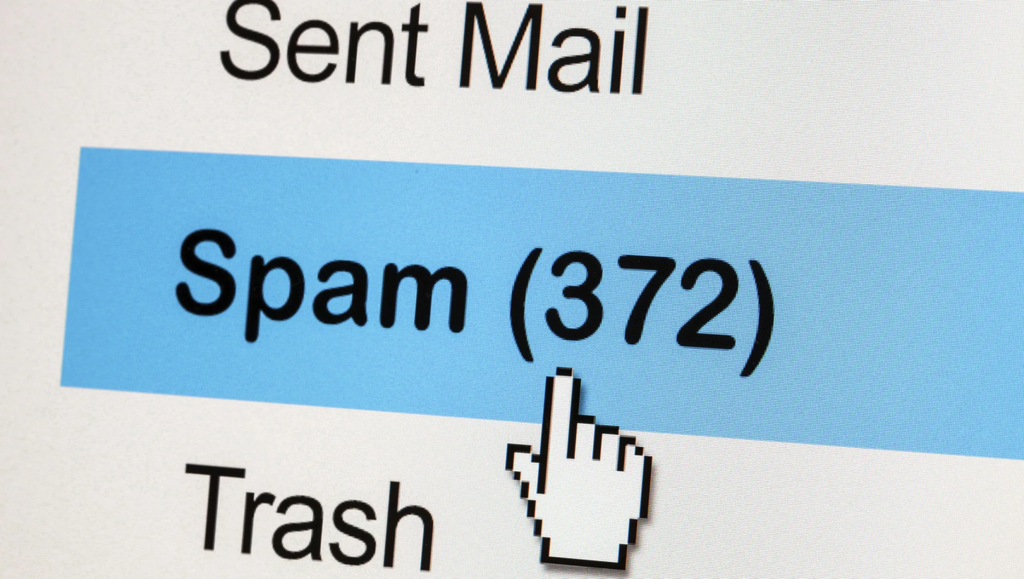
Your startup has a reputation outside social media, review websites, and Google. Your sending domain and email infrastructure also develop a reputation based partly on how recipients and mailbox providers respond to your messages. If people repeatedly ignore, delete, unsubscribe from, or report your emails, that behavior can contribute to delivery problems.
Google’s current sender guidance tells senders to monitor spam rates and recommends keeping the reported spam rate below 0.10%, while avoiding reaching 0.30% or higher. Google states that higher spam rates can lead to increased spam classification and that it can take time for improvements to be reflected in spam classification. Yahoo likewise requires senders to keep spam complaint rates below 0.3% and recommends sending timely, relevant messages to an active and engaged audience.
That creates an important lesson for startups: your delivery reputation is an asset. You can have a beautifully designed newsletter, an excellent product, and an incredible offer, but none of that matters if your messages are increasingly landing in spam folders. This is why I would never treat deliverability as something you deal with after your marketing strategy is finished. Authentication and sender reputation should be part of the strategy from the beginning.
For startups sending marketing emails, basic technical configuration matters too. Google requires email authentication and specifies SPF or DKIM for all senders to Gmail personal accounts, with additional requirements for bulk senders, including SPF, DKIM, DMARC, and one-click unsubscribe for applicable promotional messages. If you are serious about building an email channel, speak with your email service provider or technical team and make sure these fundamentals are properly configured rather than assuming your marketing platform has automatically handled everything.
Startup founders naturally love big numbers. Ten thousand subscribers sounds better than one thousand. One hundred thousand sounds better than ten thousand. But an email list is not a trophy collection; it is a group of people who have given you permission, directly or indirectly depending on your acquisition method, to communicate with them.
Suppose Startup A has 5,000 subscribers and sends highly relevant emails to people who actively signed up for its content. Startup B has 50,000 addresses collected from questionable sources, old databases, poorly targeted campaigns, or people who barely remember signing up. Which list is more valuable? The answer cannot be determined from subscriber count alone. A smaller audience that consistently opens, clicks, replies, purchases, and remains subscribed can be far more useful than a massive audience that ignores your messages.
This is why buying email addresses or adding people to your list without a legitimate basis is such a poor foundation for sustainable email marketing. Yahoo recommends using opt-in methods and says confirmed opt-in can help prevent uninterested people, fake addresses, and some automated signups from entering a mailing list. Your goal should be to build an audience that understands what it signed up for.
When someone joins your list, set expectations immediately. Tell them what they will receive and, where appropriate, how frequently they can expect it. If someone signs up for weekly startup advice and suddenly receives daily product promotions, the problem is not necessarily that the subscriber “doesn’t like email.” The problem may be that the experience no longer matches the promise that convinced them to subscribe.
An email unsubscribe is not automatically a disaster. In fact, an unsubscribe can sometimes be useful information. Someone who no longer wants your content is telling you something clearly, and it is generally better for that person to unsubscribe than to stay on your list while ignoring every message or reporting your emails as spam.
The problem occurs when unsubscribes suddenly increase because your strategy has changed. Imagine that your startup normally sends one valuable newsletter every week. Your audience becomes familiar with the rhythm. Then you launch a new product and start sending two emails every day. Even subscribers who genuinely like your company may decide that the frequency is no longer worth the attention.
Mailchimp’s current data shows an average unsubscription rate of 0.22% across its listed users, with different industries producing different averages. Mailchimp also notes that unsubscribe rates can vary substantially and that unusually high rates compared with an appropriate industry benchmark can indicate problems with email effectiveness, relevance, frequency, or expectations.
So do not panic every time someone unsubscribes. Instead, look for patterns. Did unsubscribes spike after a particular campaign? Did they increase after you changed frequency? Did a particular segment respond differently? Did you start sending promotional content to people who originally subscribed for educational content? Your analytics can turn an unsubscribe from a frustrating number into useful feedback.
Here is a strange mistake some marketers make: they treat the unsubscribe button as an enemy. They hide it in tiny text, make people log into an account, force them through multiple screens, or design the process like a maze because they are afraid of losing subscribers.
That approach can backfire. Someone who cannot easily unsubscribe may simply mark the message as spam. From a deliverability perspective, that can be much more problematic than allowing the person to leave your list cleanly.
Google currently requires one-click unsubscribe for applicable marketing and promotional messages sent by bulk senders, along with a visible unsubscribe link in the message body. Google’s guidance also says unsubscribe requests should be honored within 48 hours for the applicable sender requirements. Yahoo similarly requires one-click unsubscribe for applicable promotional and marketing messages and says requests should be processed within two days.
There are also legal obligations that vary by jurisdiction. In the United States, for example, the FTC’s CAN-SPAM guidance requires commercial email to include a clear opt-out mechanism and says opt-out requests must be honored within 10 business days. It also prohibits deceptive header information and misleading subject lines. If your startup serves customers internationally, you should check the rules that apply to your audience and business rather than assuming one country’s requirements cover everything.
The practical lesson is simple: make leaving easy. It may feel uncomfortable to watch your subscriber count decrease, but a smaller, engaged list is generally more useful than a larger list full of people who do not want your emails.
One of the easiest ways to reduce unnecessary spamming email behavior is segmentation. Your subscribers are not one giant human being with 10,000 email addresses. They have different interests, different problems, different purchase histories, and different reasons for joining your list.
Imagine that your startup sells productivity software. One subscriber signed up for a guide about time management. Another is a paying customer. A third abandoned a free trial. A fourth downloaded a guide about team collaboration. Sending exactly the same promotional email to all four people may be convenient for you, but it may not be relevant to them.
Create segments based on useful signals such as customer status, interests, signup source, purchase behavior, engagement, or content preferences. You can then make your communication more specific. A new subscriber might receive educational content, while an existing customer receives advanced product tips. A person who has shown interest in one product category does not necessarily need every promotion you publish.
This approach also makes your content easier to write. Instead of asking, “What can I send to my entire list today?” ask, “What is genuinely useful to this particular group right now?” That small change in thinking can completely alter your email strategy.
I am not suggesting that every startup should send one email per month. There is no universal frequency that works for every company. The better question is: What purpose does this email serve?
If you cannot explain the purpose of a campaign in one sentence, that is a warning sign. Perhaps the purpose is to educate subscribers about a problem. Perhaps you are announcing a new feature. Perhaps you are inviting people to a webinar. Perhaps you are sharing a useful industry report. Perhaps you are making a relevant offer. Each email should have a reason for existing.
Before pressing “Send,” ask yourself whether the recipient would consider the message useful if your company name were removed from it. That is a brutally effective test. If the email is basically, “Buy our thing because we want you to buy our thing,” you may need to rethink it.
A useful email does not have to be completely non-promotional. You can promote your product while still teaching something, solving a problem, sharing a relevant resource, or giving subscribers a reason to care. The strongest startup newsletters often make the reader feel that opening the email was worth the few seconds it took.
Start by mapping your subscriber journey. What happens immediately after someone joins your email list? Do they receive a welcome email? Do they understand what they subscribed to? Do they receive useful content before being pushed toward a sale? Is there an obvious way to change preferences or unsubscribe?
A simple welcome sequence can help establish expectations. The first email can explain what the subscriber will receive. The next could provide the promised resource or a useful piece of educational content. Another email could introduce your startup and explain what problem you are trying to solve. Only after establishing relevance should you aggressively focus on conversion.
Your subject lines should also accurately represent what is inside the email. The FTC’s CAN-SPAM guidance specifically prohibits deceptive subject lines. Avoid creating fake urgency such as “FINAL WARNING!!!” when nothing is actually expiring. Your subscriber may open that email once, but you are potentially spending trust to achieve a single click.
Your email open rate is useful, but it should never be the only metric you watch. Look at your data as a group of signals rather than one magic number. Open data can provide directional insight, but privacy technologies can make it imperfect, and Google does not independently verify third-party open-rate measurements.
Track delivery and bounce information, clicks, conversions, email unsubscribe rates, spam complaints, and revenue where applicable. If your open rate remains stable but clicks are falling, the problem may be your content or call to action. If clicks remain strong but conversions are weak, the problem may be your landing page, pricing, product experience, or offer. If complaints and unsubscribes suddenly rise, investigate relevance and frequency.
Google’s Postmaster Tools can provide senders with information about spam reports, delivery issues, authentication, and domain or IP reputation for Gmail traffic. For startups serious about email deliverability, this is one of the first resources worth exploring.
You do not need a giant marketing department to improve your email strategy. Most established email platforms provide analytics, segmentation, automation, unsubscribe management, and campaign testing. The right choice depends on your business size, technical requirements, budget, and audience.
For deliverability specifically, start with Google Postmaster Tools and Google’s official Email Sender Guidelines. These resources can help you understand authentication, spam rates, sender reputation, and Gmail-specific requirements. Yahoo also maintains a Sender Hub with sender requirements and deliverability recommendations.
For campaign analytics and benchmarking, Mailchimp’s email marketing benchmark resources can help you compare metrics by industry and understand why one number should not be treated as a universal standard. If your startup operates in the United States, the FTC’s CAN-SPAM compliance guide is also useful for understanding commercial email requirements.
If you suspect that your startup has fallen into a spamming email habit, do not immediately delete your entire strategy and start again. Perform an audit. Look at your last 20 campaigns and record the send date, audience, topic, open rate where your platform reports it, clicks, conversions, unsubscribes, complaints, and revenue.
Then look for patterns. Did you send multiple campaigns to the same people within a short period? Were some emails almost identical? Did promotional messages dominate educational content? Did one particular campaign cause a sudden increase in email unsubscribe activity? Did a segment perform much better than another?
Next, examine your email list itself. Remove or suppress invalid addresses according to your email platform’s guidance, review inactive subscribers, and make sure people are receiving the type of content they originally expected. Yahoo specifically recommends monitoring hard and soft bounces and inactive recipients and removing invalid recipients promptly.
Finally, check your technical foundation. Confirm SPF and DKIM authentication, investigate DMARC requirements relevant to your sending volume, verify that your unsubscribe process works, and monitor your domain reputation. Do not wait until emails are disappearing into spam folders to discover that your authentication was configured incorrectly.
The answer is not simply “send fewer emails.” The better answer is send emails with a reason. If your subscribers signed up because they wanted practical advice, give them practical advice. If they joined for product updates, send meaningful product updates. If they are customers, help them get more value from what they purchased.
Think about your inbox from the customer’s perspective. Would you be happy to receive this email on a busy Tuesday morning? Would you understand why you received it? Would you find something useful inside? Would you know how to stop receiving similar messages if you changed your mind?
That perspective is incredibly valuable for a startup because every email is part of your brand experience. A website can look premium, your product can be excellent, and your social media can look impressive, but an inbox full of irrelevant emails can quickly undermine that image.
You should also resist the temptation to judge your email program purely by subscriber growth. A growing list is useful only when the people joining it are relevant and engaged. Your real objective is to build an audience that recognizes your name, expects useful communication from you, and feels comfortable continuing the relationship.
Spamming email is not simply about sending a particular number of messages. It is about what happens when communication becomes unwanted, irrelevant, misleading, excessive, or poorly managed. A startup can damage engagement by overwhelming subscribers, increase its email unsubscribe rate, generate spam complaints, and create a negative impact on deliverability when recipients consistently react badly to its messages.
The solution is not to become afraid of email marketing. It is to become more deliberate. Build a legitimate email list, segment it, understand why people joined, establish clear expectations, send useful content, monitor engagement, make email unsubscribe easy, and regularly review your deliverability signals.
Do not obsess over your email open rate in isolation either. Use it alongside clicks, conversions, complaints, unsubscribes, bounces, and other meaningful business metrics. Current guidance from Google and Yahoo places significant emphasis on authentication, low spam complaint rates, relevant messages, and straightforward unsubscribe mechanisms, while industry benchmarks such as Mailchimp’s demonstrate why performance should be interpreted according to audience and industry context.
If I had to reduce the entire strategy to one practical rule, it would be this: before sending an email, give yourself a reason that would make sense to the person receiving it—not just to the person sending it. Your startup’s inbox strategy should feel like a conversation, not a megaphone.
1. How often should a startup send marketing emails?
There is no universal frequency that works for every startup. Your ideal schedule depends on your audience, content type, industry, and the expectations you establish when people subscribe. Start with a manageable schedule, monitor engagement, complaints, clicks, and email unsubscribe rates, and adjust based on the behavior of your actual subscribers.
2. Does a high email open rate mean my email marketing is successful?
Not necessarily. An email open rate is only one measurement, and open tracking has technical limitations. Mailchimp notes that privacy technologies can affect open measurements, while Google says it does not track or independently verify third-party open-rate measurements. Look at clicks, conversions, revenue, unsubscribes, and complaints alongside opens.
3. Is an email unsubscribe always a bad thing?
No. An email unsubscribe can help keep your audience relevant because it allows people who no longer want your communication to leave. The bigger concern is a sudden or consistently high unsubscribe rate compared with an appropriate benchmark, particularly after changes to frequency, content, or targeting. Mailchimp recommends analyzing unsubscribe rates in the context of industry and campaign performance.
4. How can I prevent my emails from going to spam?
Start with permission-based list building, relevant content, appropriate frequency, proper authentication, low complaint rates, and a functioning unsubscribe process. Google currently recommends SPF/DKIM authentication and keeping reported spam rates below 0.10%, while avoiding 0.30% or higher; applicable bulk senders also have additional authentication and unsubscribe requirements.
5. Should I delete inactive subscribers from my email list?
Do not automatically delete everyone who has not opened an email. Open data itself has limitations, so consider multiple engagement signals such as clicks, purchases, website activity, and other interactions. You can create an inactive segment, run a carefully designed re-engagement campaign where appropriate, and then suppress recipients who remain unresponsive according to your platform’s policies and your business requirements.

Share your details, and we will get back to you shortly!
This will close in 0 seconds
Share your details, and we will get back to you shortly!
This will close in 0 seconds