Physical Address
304 North Cardinal St.
Dorchester Center, MA 02124
Physical Address
304 North Cardinal St.
Dorchester Center, MA 02124

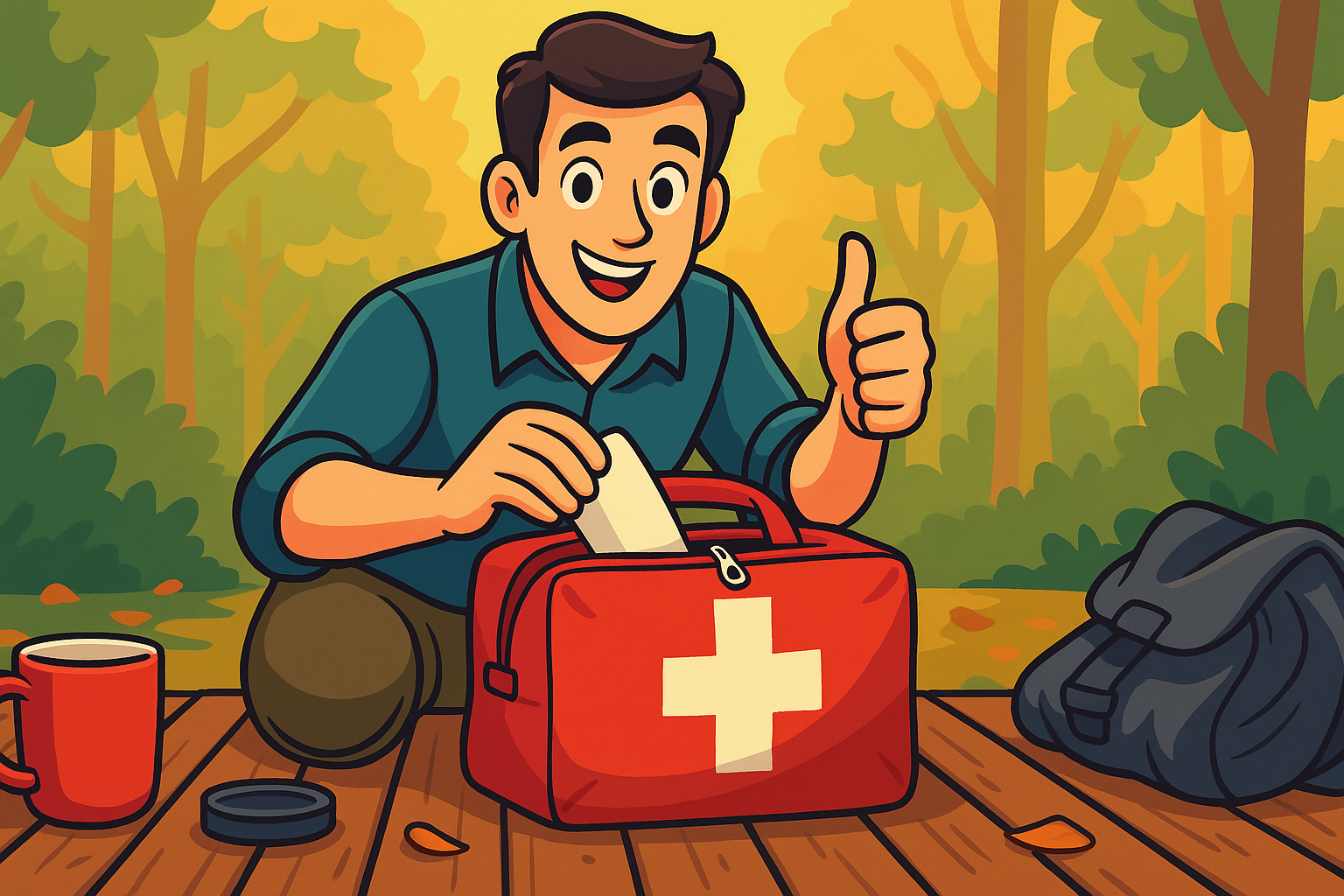
Emergencies don’t announce themselves. I realized that the hard way on a family road trip when my little brother had an allergic reaction out in the middle of nowhere. Luckily, I had a few staples in my bag, but that experience made me reevaluate everything I thought I knew about being ready.
Since then, I’ve made it a priority to keep a fully equipped medical emergency bag on hand at home, in my car, and even in my travel luggage. This isn’t just about storing first-aid supplies—this is about peace of mind. In a universe where natural disasters, health crises, and accidents can occur at a moment’s notice, having the proper tools in hand could be the difference between being able to handle a medical crisis and a catastrophe.
Below, I’m going to guide you through the 7 key reasons that it’s important to build your emergency kit, and what I actually keep in mine so that I know I’ll be prepared wherever I am.
All good emergency kits begin with basic first aid. Whether it’s a minor cut, a sprain, or something worse, these are the supplies you’ll grab first—and I’ve had to do just that more times than I care to remember. I stock a variety of adhesive bandages in varying sizes, sterile gauze pads, antiseptic wipes, alcohol swabs, adhesive tape, and a set of sharp medical scissors.
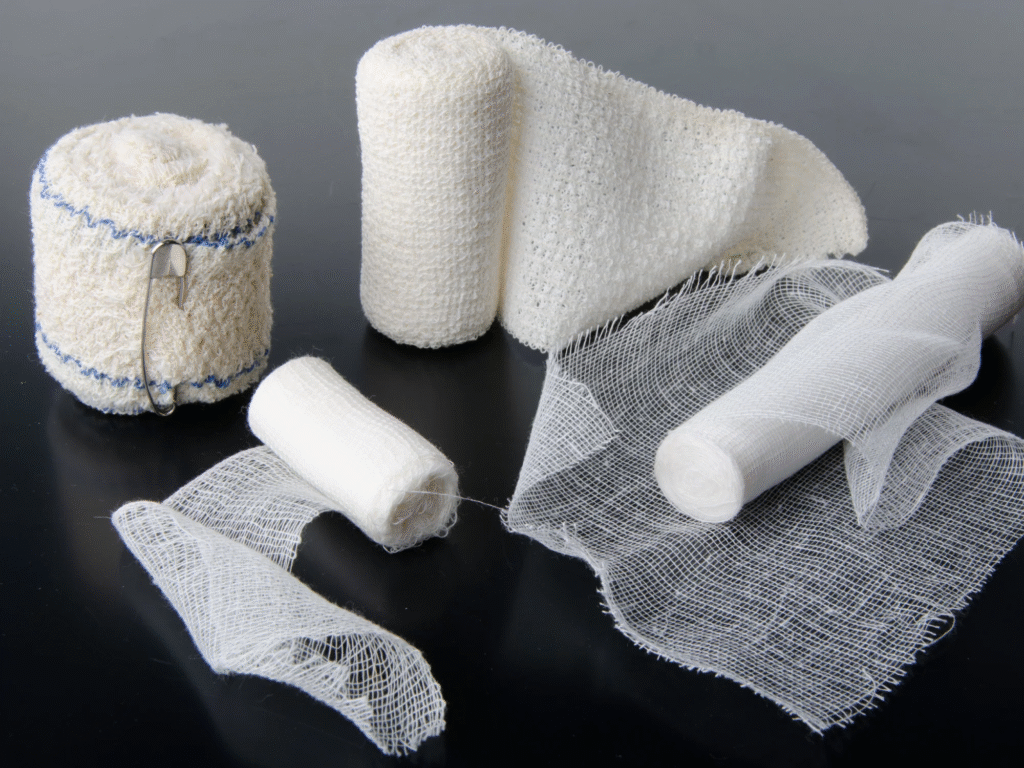
I also have tweezers, cotton swabs, and a thermometer. Something that I’ve come to learn is that it’s always best to be over-prepared with regard to sizes and types of dressings. Minor wounds can get out of control in a hurry if not managed appropriately, and these are the bare minimum you should have to stabilize someone until assistance shows up or until you can manage to reach urgent care. That it is all nicely stored in a zippered bag within the bag also makes it quicker to locate under stress.
The first time I assembled my medical emergency kit, I overemphasized bandages and underemphasized medication—and that was an error. Pain management, fever reduction, and immediate treatment of allergic reactions can prevent an episode from escalating. For that reason, I now stock a balanced set of over-the-counter medications like ibuprofen, acetaminophen, aspirin, and antihistamines like loratadine.
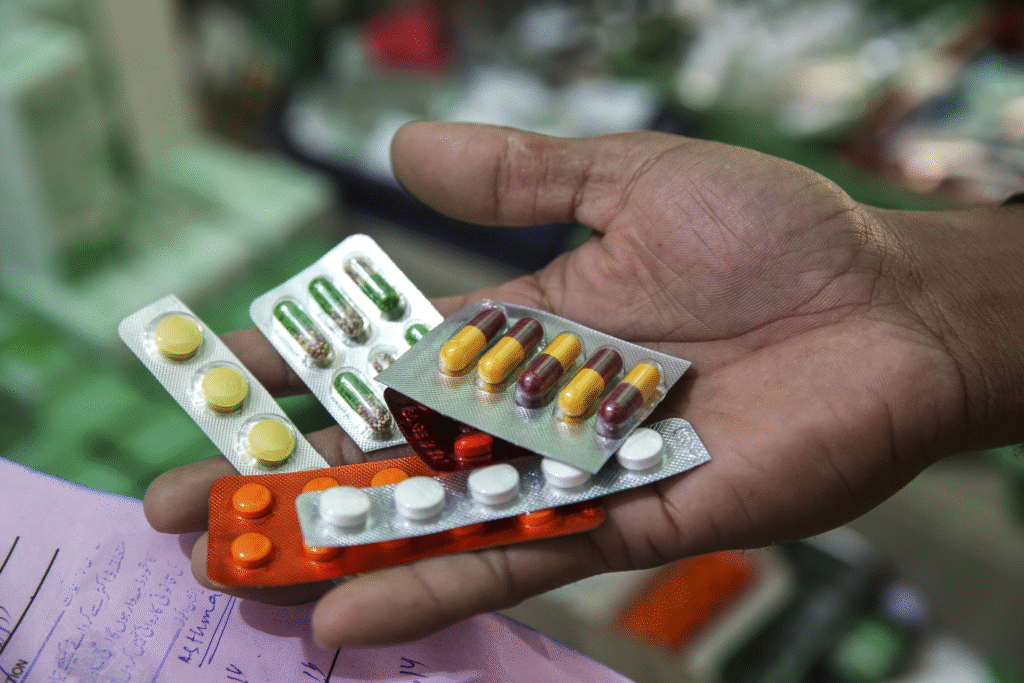
But I’ve learned to individualize the medication part according to my family’s and traveling companions’ needs. For example, I carry a spare inhaler for asthma in case of my aunt, an EpiPen for my peanut-allergic cousin, and antacids, anti-diarrheal tablets, and oral rehydration salts. If you or someone you care about requires life-saving medication, such as nitroglycerin for a heart condition or insulin, you should keep a small reserve in your emergency kit (if it’s safe to do so and stored properly). And naturally, review expiration dates every so often—I tend to do this every 3–4 months.
This section of the bag tends to get ignored, but to me, it’s as vital as bandages and medicine. In one crisis of my high blood pressure, I was thankful to have a BP monitor in my supply. One item was enough for me to call for professional assistance immediately. In addition to the blood pressure cuff, I also carry a small stethoscope and a fingertip oximeter, which monitors blood oxygen levels—particularly handy when confronted with respiratory issues or at high altitudes, such as when transported by air ambulance.
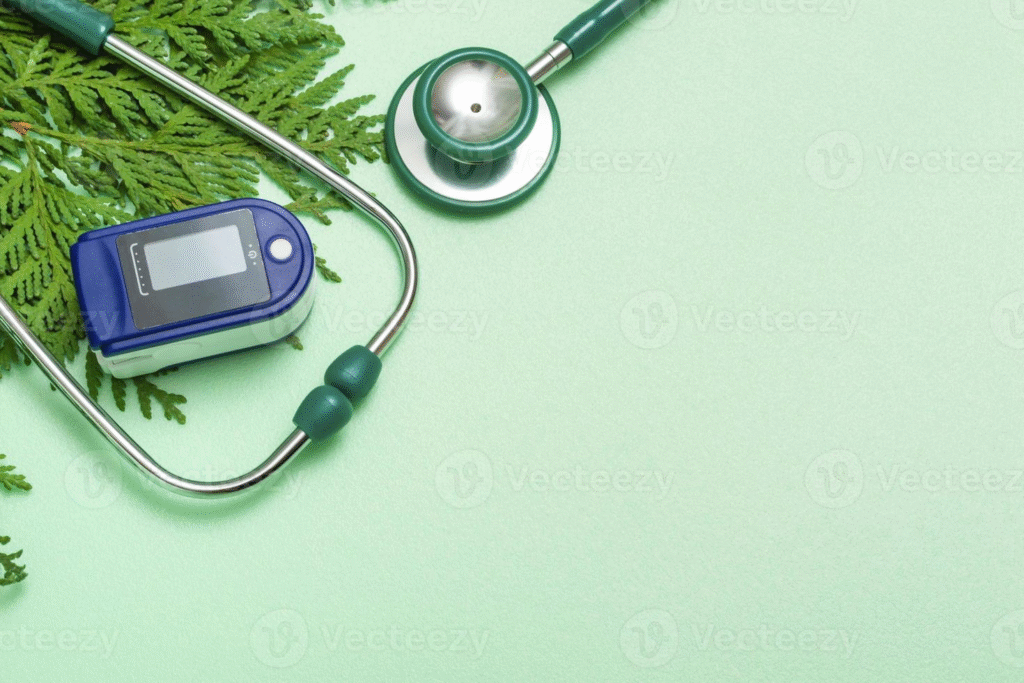
I’ve also added a CPR face shield in the event that one day I need to do mouth-to-mouth safely, and gloves and a flashlight with spare batteries to use when checking out wounds in the dark. These are not tools for health experts only—they’re for any of us who want to keep our loved ones safe in the moment.
Hygiene may not be the first thing that comes to mind when considering a medical emergency, but trust me—it counts. Cleanliness in a crisis will help avoid infections, get you more comfortable, and preserve dignity in bad times. In my own bag, I carry travel-sized versions of things such as liquid soap, wet wipes, toothbrush and toothpaste, deodorant, and sanitary napkins.
I also include a small package of tissues and a bottle of hand sanitizer. These proved useful during an all-day power outage when we were unable to use running water. And don’t overlook waste management—ziplock bags and disposable gloves keep used materials safely contained. This part of the bag proves to be extremely handy, particularly in prolonged outdoor travel, temporary shelter life, or evacuation scenarios.
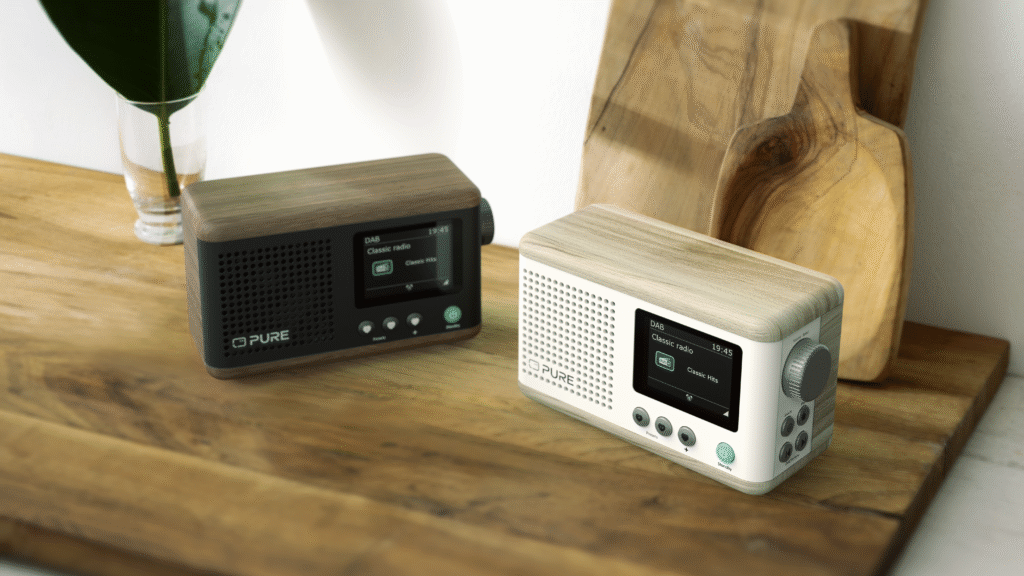
One of the most frightening things to lose in an emergency is communication. When phones lose power or signal, you have backups—and I’ve ensured my emergency kit contains several. I have an old charged cellphone with a SIM and a power bank solely for emergencies. I also add a whistle to signal for help, particularly useful in case you’re ever stuck and need to be located. For news and weather reports, a battery-operated or crank radio is essential.
Lighting is also very important, especially when low-light conditions prevail. I have a trusty LED flashlight, a headlamp (hands-free!), and a portable camping lantern. I even keep some glow sticks on hand for instant visibility in the dark. These may be little tools, but during a medical crisis or natural disaster, they are lifelines—particularly if you are waiting in the dark for an air ambulance or rescue team.
Being prepared for the first 72 hours of an emergency also entails having a sufficient supply of food and water. I never leave this to chance. My medic emergency kit includes high-calorie, shelf-stable food like granola bars, trail mix, vacuum-sealed packets of tuna, and instant oatmeal. I’ve also included powdered electrolyte beverage mix, which keeps you powered up and hydrated.

For hydration, I include sealed pouches, a water filter straw, and purification tablets. These are not only for natural disasters—these are also essential on long road trips or wilderness excursions. I once had to rely on my food supply during a traffic jam that stranded us for nearly 10 hours in the middle of summer. Having water on hand made a huge difference in our mood and safety. If you’re ever traveling to remote areas or using air ambulance transport, these supplies are essential.
No two individuals are the same, neither should any two emergency kits be. I always say that you should tailor your emergency bag according to where you live, your lifestyle, and your health requirements. For instance, I reside in an area with monsoonal flooding, so I carry a waterproof poncho, thermal blanket, and waterproof covers for bags. If you’re in an earthquake zone, carry a small crowbar and dust masks.
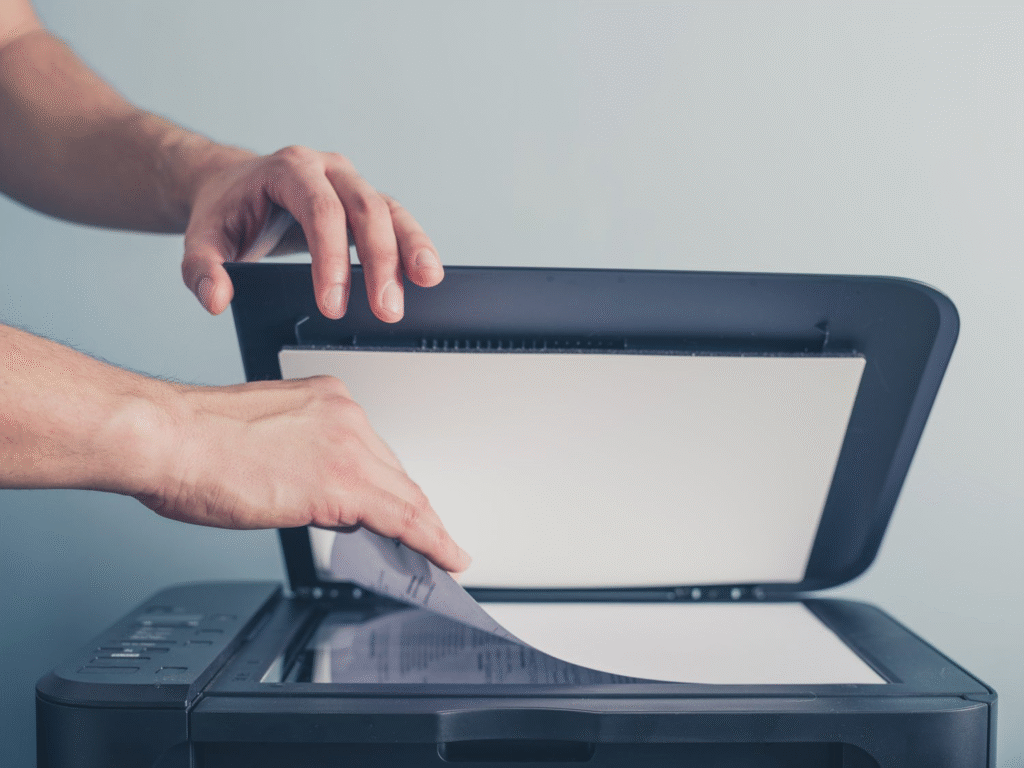
For frequent flyers, particularly those who fly frequently, carrying duplicates of medical records, prescriptions, and ID cards in a waterproof case can prove incredibly useful—especially in air ambulance situations where quick access to information is essential. I also carry a photocopied emergency contact list, a local map, and a tiny compass. These are old-fashioned, perhaps, but when technology malfunctions, these do not.
Creating a medical emergency bag isn’t just about checking off items on a list—it’s a personal promise to yourself and your loved ones. It’s a commitment to being the calm in the storm when panic sets in. Every item in my bag serves a purpose, from treating injuries to providing nourishment, hygiene, light, and communication.
In a moment of crisis, whether sitting in urgent care or arranging transfer with an air ambulance, your readiness might be a lifesaver—or at least make the experience less horrifying. Set aside time today to create or replenish your own emergency kit. Consider it not only as a set of goods, but as a lifeline filled with purpose, compassion, and hope.

Share your details, and we will get back to you shortly!
This will close in 0 seconds
Share your details, and we will get back to you shortly!
This will close in 0 seconds