Physical Address
304 North Cardinal St.
Dorchester Center, MA 02124
Physical Address
304 North Cardinal St.
Dorchester Center, MA 02124

I’m thrilled to share my own ride along with velo’s enchanting third season. A music lover and pakistani music enthusiast that I am, viewing sound station Season 3 was nothing less than thrilling. Here’s why this revolutionary series is turning the scene around in pakistan—and why I couldn’t be more optimistic about what it has to offer.
When I initially learned that sound station Season 3 would be helmed by Bilal Lashari—to my surprise—it marked a bold departure. In earlier seasons, performance was the focus, but here I could feel a strong cinematic visual style. Lashari, known for The Legend of Maula Jatt (2022), imparted every song with VFX, sweeping shots, and narrative storytelling. Since the trailer entered my streams, I understood that velo was no longer just song; it was a complete sensory experience. This vision sets Season 3 with boldness and cinematic grandeur.
For me, pakistani songs has always had that special blend of tradition and contemporary. But velo sound station Season 3… whoa. It overshoots that equilibrium. It blends old-timey voices with Gen-Z vibes through a sequence of flawlessly composed performances. There’s something breathtakingly human about it: you sense the artists’ soul, emotion, and individual artistry in every scene. And as per critics, “this trailer alone should put Coke Studio on notice—a phrase I wholeheartedly support.
Allow me to take you through each Season 3 song—who performs it, who directs it, and why it’s unforgettable. Believe me, each deserves its own highlight.
Released on April 11, 2025, Shayar sets the tone for Season 3 with an uncut, lyrical brilliance. The contrast between Faris‘s gritty poetry and Zain zohaib‘s warm melody hit me from the opening chord. Directed by Lashari, the visuals complemented the duality of the song—aggressive close-ups, metaphoric landscapes, and emotive depth. As one writer wrote, “a sonic epic that shouldn’t work but does—spectacularly”. I experienced the pain, passion, and poetry in each line.
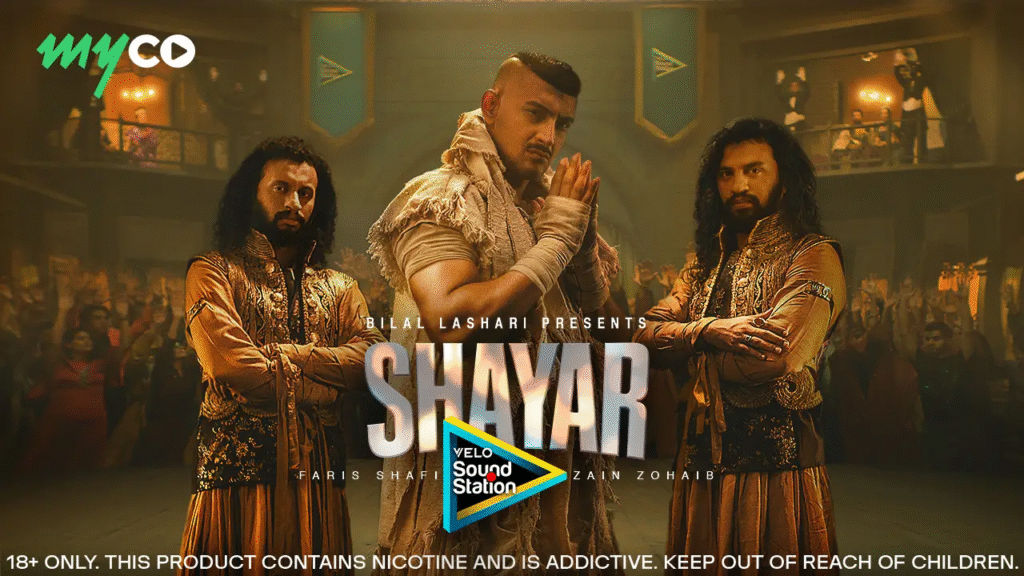
Listen to this song by clicking Here
There was a change in mood on April 17, 2025 with Dil Ruba. Hassan gives dreamy music feelings, and Annural’s voice glitters. Visually, it’s such a song video capturing late-night city lights and poetic yearning. When I heard, I almost felt the nostalgia and thrill of a contemporary love story. It’s a shimmering, cinematic ride that struck a chord within me.
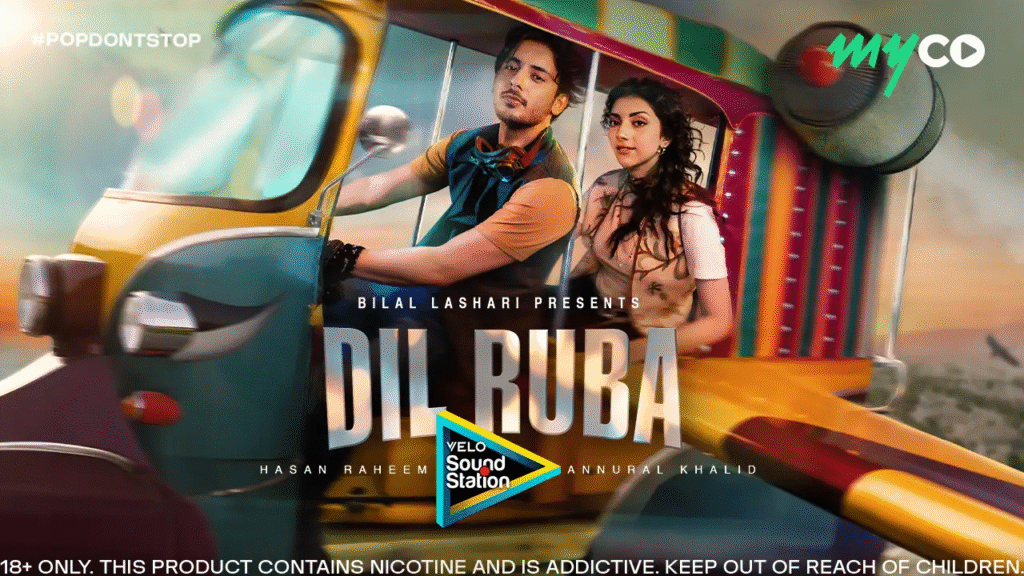
Listen to this song by clicking Here
Gila is released on April 25, and what an epiphany. Translated as “complaint,” oh, do these voices complain. Shae‘s strong vocals merge with Abdul‘s suave tone, giving me goosebumps as they sing heartache and responsibility. I was completely sold on how visually evocative Lashari’s direction made emotional confrontation feel alive.
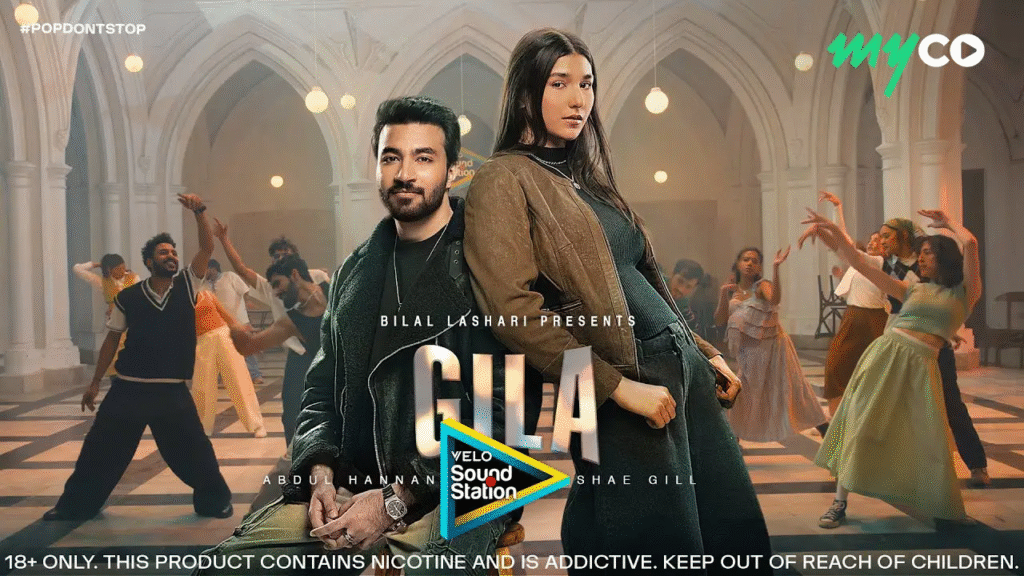
Listen to this song by clicking Here
Slipping in on May 2, this song knocked me for a loop. Merging spiritual legend Nusrat Fateh Ali Khan (through archival recordings) with modern icon Atif Aslam reads like a music time warp. Lashari brought it a peaceful, otherworldly visual aesthetic—ethereal lighting, ageless locations—that respects both legacy and contemporary expression. Critics had stated “Atif Aslam’s collaboration with NFAK will blow your mind” , and I couldn’t have said it better—it gave me chills.
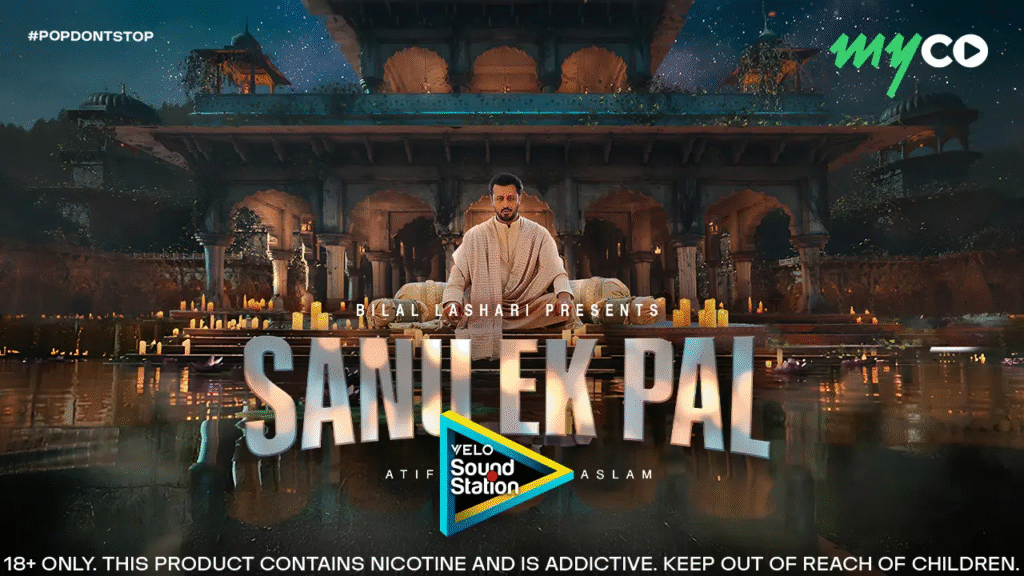
Listen to this song by clicking Here
Released May 30, Chann Pichay is a poem of a song. Adnan‘s trance-like vocals combined with Natasha‘s soulful delivery render it soaringly gorgeous. The visuals? Vintage film and cinematic airs. A critic called it “shines in season 3”, and that is just the word. Listening was intimately personal, like nostalgic reminiscing under the summer moon in Pakistan.

Listen to this song by clicking Here
On June 8 drops Clones by Gen-Z hip-hop artists Young Stunners. It’s gritty, it’s rhythmic, and the visual is raw in a new way. The vibe was contagious: it was like being at an underground concert. I am all about that edge, and this song gave it to me.

Listen to this song by clicking Here
Turbo is the suspenseful seventh track, a fusion of Atif Aslam’s distinctive voice with Risham Faiz Bhutta‘s modern style. The pace quickens in a refreshing turnabout—this one’s designed to energize. From the instant I listened to Atif and RFB come together in the chorus, I was caught up in a high-voltage experience. The cinematography replicates that intensity: rapid cuts, intense color transitions, and fervent choreography. It’s a highlight moment that speaks volumes about the way music can make pure adrenaline run through your system.
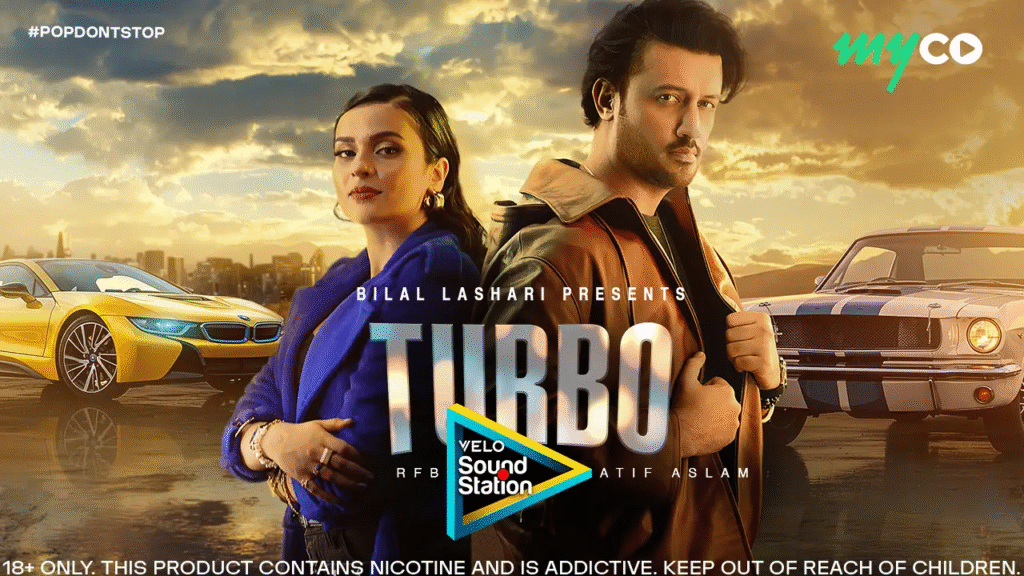
Listen to this song by clicking Here
Though only Turbo has been officially explained to this point, rumors—particularly on sites like Reddit and Instagram—point toward three additional premium tracks set to drop before the season is over. With no confirmed titles or artists yet, all I can say is that velo is holding its last set of cards tight.
And considering how considerately this platform approaches the curation of Pakistani music, I’m positively holding my breath for sweeping collaborations—anticipate genre-bending experiments and perhaps some more throwbacks to our cultural anthem legends. I just can’t wait to connect on an emotional level with each one!
Even without the complete story, the fact that Turbo is present speaks volumes of intention: velo sound station Season 3 is ready to surprise us. It’s not reviving old fashion—it’s revitalizing them. This season has been, for me, about exploration of new music experiences, be they lyrical complexity, cinematic qawwali fusion, or inner-city rap vitality. The last tracks—whatever they happen to be—have a sense of being another powerful thrust toward integrated storytelling. It’s evident that sound station is not only churning out songs; it’s forging a rich, multi-faceted song tale steeped in pakistan’s cultural fibers.
Listening to all seven episodes, I experienced a genuine sense of human connection. Every track comes alive—through lyrics, performances, and filmmaking. That span—from Shayar’s poetic toughness to Clones’ city vibe—made me experience the entire emotional gamut of modern pakistani songs. And though pakistan boasts a strong musical heritage, velo brought a freshness and genuineness to every performance.
I adore how sound station brings upstarts alongside known names. That diversity is the richness and depth of this country’s music. Season 3 demonstrates that velo is not only platforming, but curating powerful moments. Merging cinematic direction with genuine performances, it demonstrates what this can do: transportive, visually engaging, and honest in emotion.
To me, Season 3 is not entertainment—it’s a game-changer. It breaks rules, innovates storytelling, and brings together legacy and new talent. Just as Lashari had envisioned, it’s 80% “kick-ass songs first,” complemented by cinematic greatness. And that’s precisely what I heard—and saw—in every episode.
I can’t wait to see where velo sound station goes next—perhaps live concerts, behind-the-scenes insights, or cross-cultural collaborations. What I do know is this: Season 3 has sparked something deeper in me as a fan of pakistani songs and in general.
Let me wrap up by saying: this Season 3 journey felt like sharing stories with old friends, discovering new voices in pakistan’s rich tapestry of sound. It went beyond beats and scenes—it was human, relatable, and cinematic in the best way. If you’re into soulful rhytems, cinematic visuals, or just want to support the evolving this country’s music scene, velo sound station Season 3 is your must-watch.
Thanks for allowing me to guide you through my experience—I hope you’re just as impressed, inspired, and moved as I was!

Share your details, and we will get back to you shortly!
This will close in 0 seconds
Share your details, and we will get back to you shortly!
This will close in 0 seconds


