Physical Address
304 North Cardinal St.
Dorchester Center, MA 02124
Physical Address
304 North Cardinal St.
Dorchester Center, MA 02124


When you’re first getting started—whether you’re a student, new grad, or even career-changer—the “build your network” advice can seem fuzzy or daunting. But networking no longer takes place solely at conferences or seminars—it now occurs online.
Fortunately, there are some amazing professional networking sites that allow you to connect with peers in your field, demonstrate your capabilities, and unlock opportunities you never believed could be yours.
Here are 10 influential platforms that I’ve tried personally or witnessed others benefit from—and that I believe can truly advance your career.
If you’re not already on LinkedIn, you’re missing out—big time. With over 900 million members globally, LinkedIn is the world’s most recognized platform for professional networking, personal branding, and job hunting.
Why it’s effective: It’s not just a resume—LinkedIn allows you to establish credibility and trust in your domain. I’ve known individuals land a job directly from one viral post. Begin early, post frequently, and be genuine.
For coders, GitHub is the ultimate place to demonstrate, not declare. It’s where you put your code up, work on open-source projects, and demonstrate your chops to a future employer or client.
Why it works: Tech hiring managers frequently look at GitHub profiles before even scheduling interviews. It is evidence of your real skills, and a good platform to establish credibility in the developer community.
If you’re in the creative field—graphic design, UX/UI, photography, branding—Behance is a must-have. Owned by Adobe, Behance is a platform to display your design work to the world in a highly visual, professional format.
Why it works: The best agencies and businesses actively recruit on Behance. You can land freelance projects, internship positions, and even full-time jobs directly from your profile. Your work speaks for itself, and this is where it belongs.
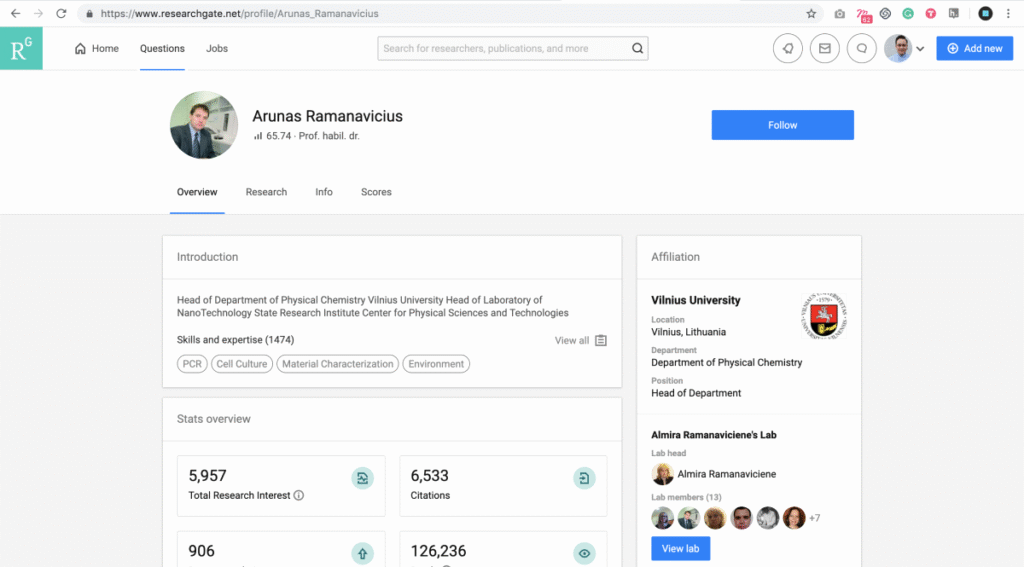
For academics or researchers, ResearchGate is perhaps the most useful platform available. It brings scientists, scholars, and researchers across the globe together to exchange results and collaborate.
Why it works: If you’re looking for research, academic, or even scientific consultancy, ResearchGate enhances your academic presence and networking with individuals doing innovative work in your domain.
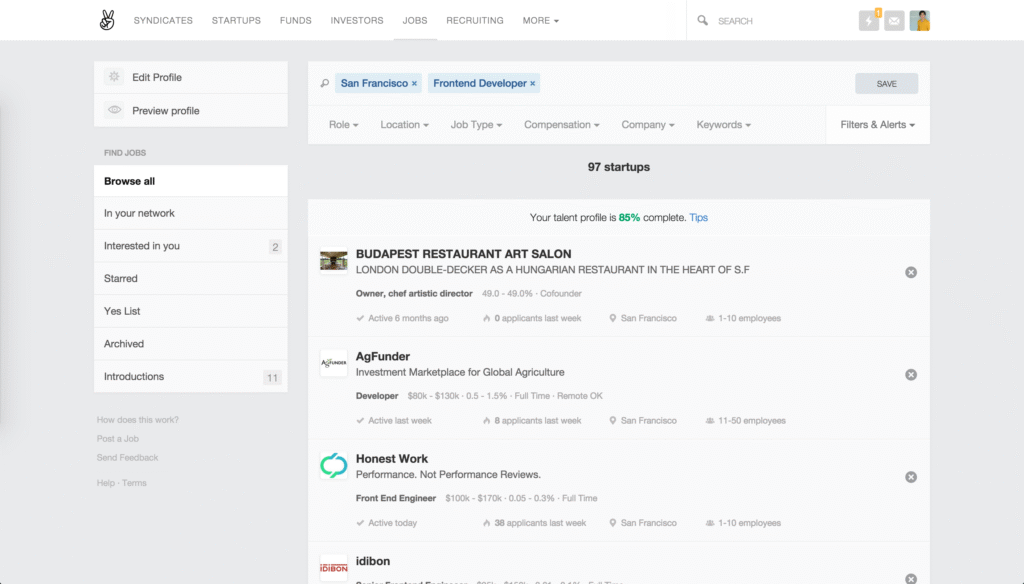
AngelList is LinkedIn, but startup-specific. Whether you’re looking to work for a startup, start one yourself, or invest in a startup, this is where that community resides.
Why it works: Startups operate at a rapid pace, and they’re constantly searching for hungry and talented individuals. AngelList connects you with founders and hiring managers directly, frequently bypassing traditional HR roadblocks.
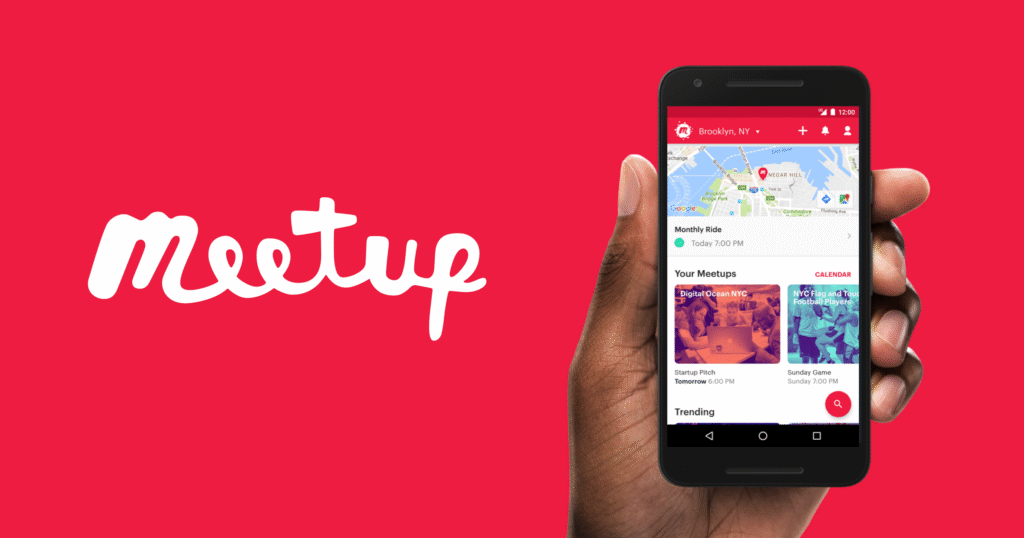
Digital platforms are mighty, but sometimes the best opportunities are face-to-face. Meetup.com fills the gap, bringing people together in corporate networking events, workshops, and actual-world networking.
Why it works: When you meet someone face-to-face, the connection builds deeper quicker. I encountered mentors and even clients via Meetup activities. It’s particularly handy if you’d like to network within an area or within a specialized group.
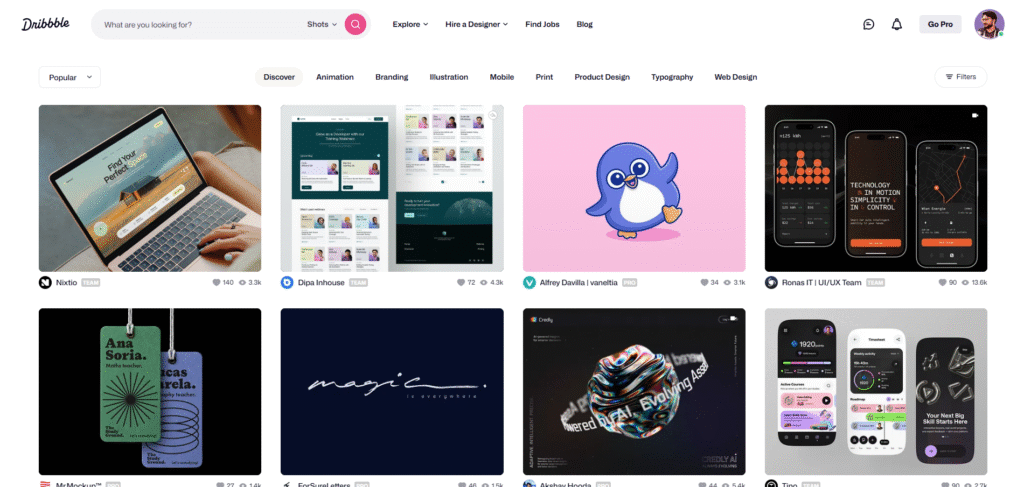
If you’re a graphic designer, UI/UX designer, illustrator, or brand creator, Dribbble is your visual networking home. Unlike Behance, which concentrates on complete project dissections, Dribbble focuses on rapid, visual snapshots—so-called “shots”—of your design work.
Why it works: Dribbble is both a networking and portfolio site with a simple look and feel and a strong design-centered community. Numerous firms (particularly startups) scan Dribbble to hire freelance or full-time designers.
If you’re located in Europe, particularly Germany, Austria, or Switzerland, Xing is among the leading professional networking platforms utilized within the DACH region. It’s like LinkedIn but localized, and a lot of European professionals utilize it to look for regional jobs and activities.
Why it works: Xing has a particular regional emphasis, and it is very easy to network with hiring managers and professionals in your vicinity. If you are attempting to establish a career in Europe, it is a good idea to have a presence on both LinkedIn and Xing.
What was once a platform for gamers, Discord has blown up to be a community for creators, developers, marketers, students, and specialty groups. It’s not a traditional professional platform, but that’s precisely what makes it worth it.
There are thousands of servers on Discord where professionals exchange jobs, advice, tools, mentorship, and even project work.
Why it works: Discord servers are open and uncurated. The atmosphere is relaxed, but the authenticity is there. You can form stronger bonds with individuals through conversations, and sometimes receive surprise gigs or inside information that’s not even listed anywhere else.

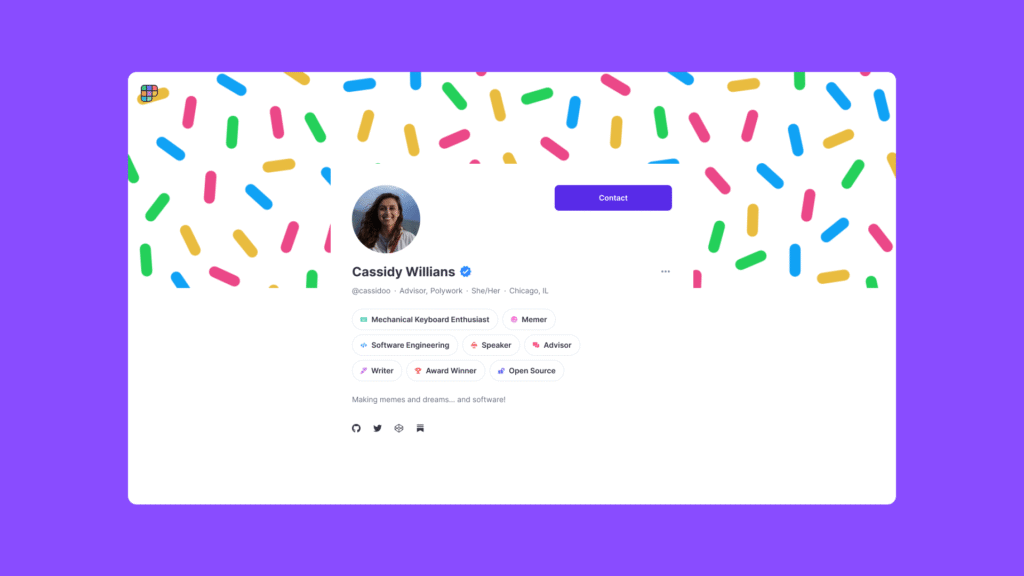
We all wear many hats—designer, writer, developer, content creator—and Polywork was made precisely for that type of professional. It’s a fairly new site, but it’s getting traction because it enables users to highlight several roles, collaborations, and side ventures.
Why it works: Polywork is fantastic for those who can’t be put in a “one-job box.” It’s perfect for freelancers, creatives, and portfolio workers, and it’s all about collaboration rather than job searching.
In 2025 and beyond, success in your career doesn’t depend on a degree or a crafted resume. It depends on creating a presence, aligning with similar beings, and being active in your niche.
All of these 10 professional networking websites provide something different to stand out, connect, and grow, whether you’re new to the scene or looking to scale up.
And that’s a wrap. I hope you liked this article, if yes, do let me know in the comments.
Ciao!

Share your details, and we will get back to you shortly!
This will close in 0 seconds
Share your details, and we will get back to you shortly!
This will close in 0 seconds