Physical Address
304 North Cardinal St.
Dorchester Center, MA 02124
Physical Address
304 North Cardinal St.
Dorchester Center, MA 02124

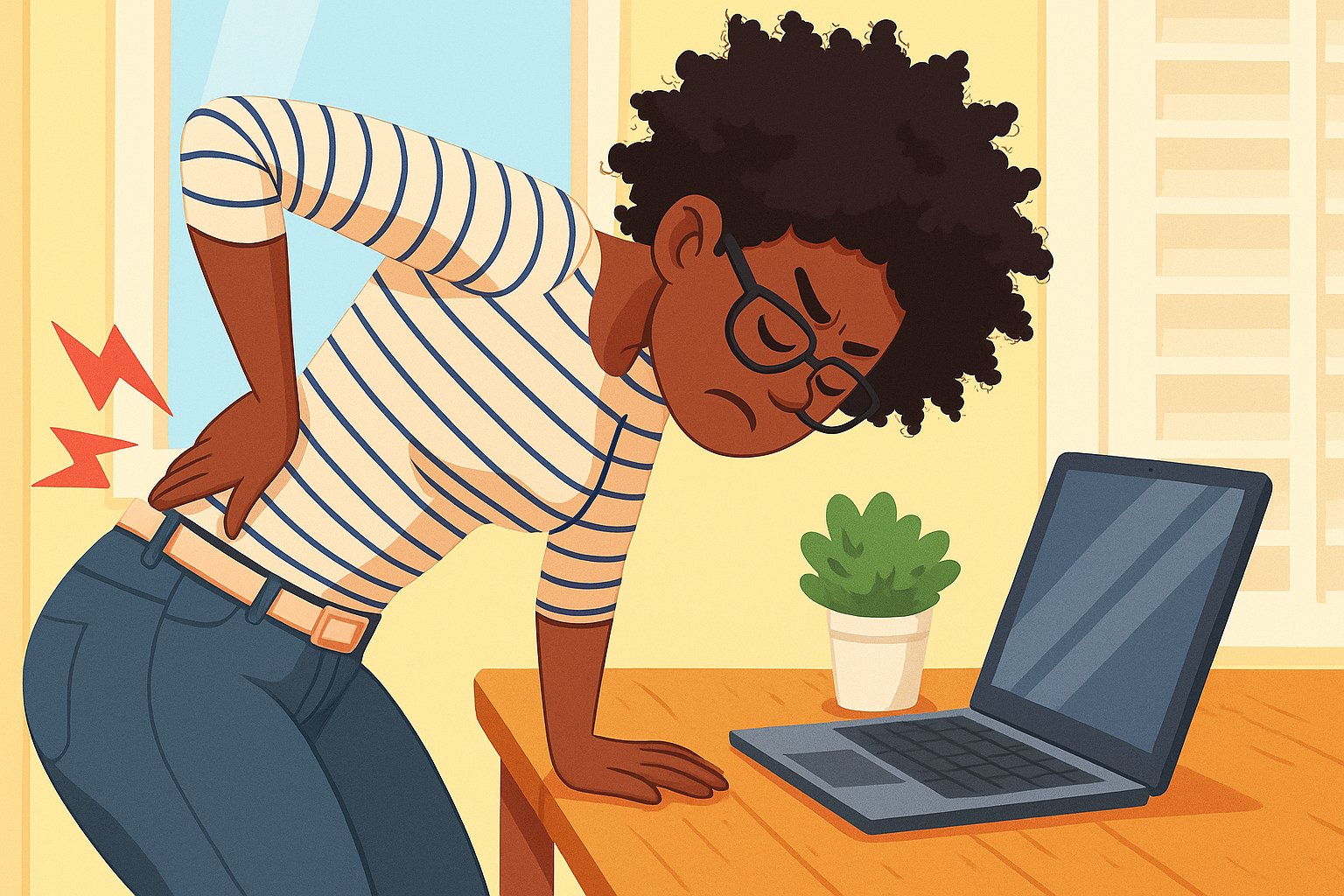
Having years of struggling with aching back pain and stiff shoulders from sitting at a desk, I found the solution to improve posture is being proactive. The best part? No gym membership or expensive equipment required. With the correct improve posture exercise, you can slowly shift your body back into alignment, relieve pain, and feel more confident. Below, I’m sharing 10 exercises that helped me fix posture, feel more energized, and move better. Let’s dive into each one.
To begin, stand tall with your feet shoulder-width apart and arms relaxed at your sides. From there, slowly squeeze your shoulder blades together as if you’re trying to hold a pencil between them. Keep your shoulders down and avoid shrugging. Hold the squeeze for 5 seconds, then relax. Do this for 10 to 15 repetitions, preferably in front of a mirror to monitor your form. Repeat twice a day for noticeable improvements. This is a low-impact posture exercise that can be done anywhere—even at your desk!
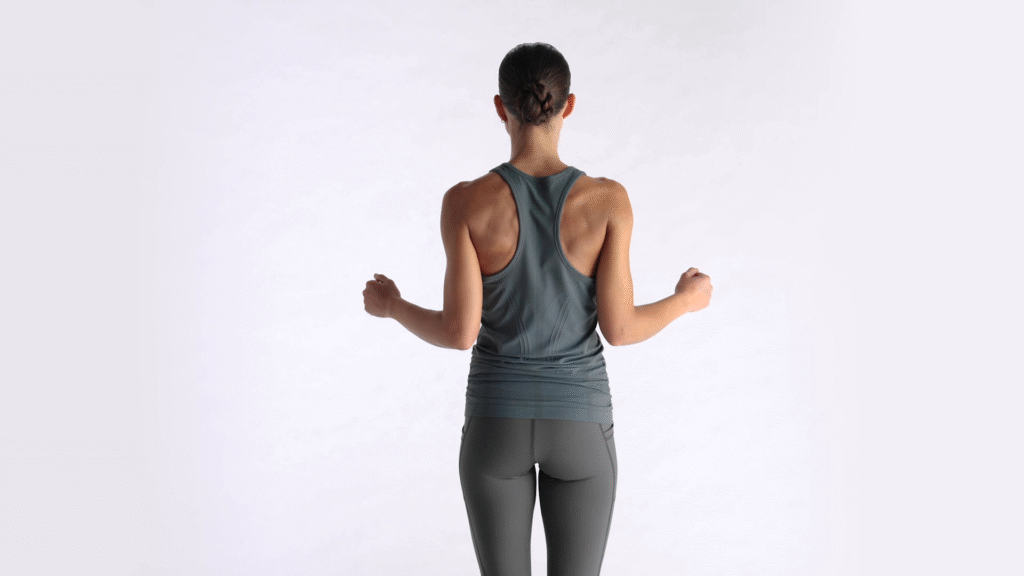
This move strengthens the rhomboids and mid-back muscles, which are essential for keeping your shoulders pulled back. With time, it fights round shoulders due to extended phone or laptop use. You will also feel more open in your chest, allowing you to breathe easier. For me personally, since incorporating this into my routine, I could feel more erect within a week. It is great for alternating with periods of prolonged sitting. Through regular practice, it inculcates muscle memory in posture in the longer term.
Avoid jerking or pushing too hard, particularly if you have had a shoulder injury. It should be slow and controlled. Avoid straining your neck or arching your lower back when you squeeze. In the event of a pinch, stop immediately and see a physiotherapist. It is not supposed to hurt. For people who have tight muscles in their chest, it might feel strange at first—but that is perfectly normal.
Anyone spending time at a desk or leaning over screens all day should incorporate this daily. It’s wonderful for students, office workers, and even seniors who want to get shoulder flexibility back. This is a great beginner movement if you’re only just beginning to work on posture.
Stand up straight with your feet hip-width apart. Cross your hands behind your back and slowly raise your arms up and away from your back. As you lift, thrust your chest out in front of you a little and retain the stretch for 20–30 seconds. Breathe deeply while holding to further expand the chest cavity. If you are unable to clasp your hands together, wrap a towel between them to act as a substitute. Stretch two to three times during each session. It is best performed after sitting for hours on end.
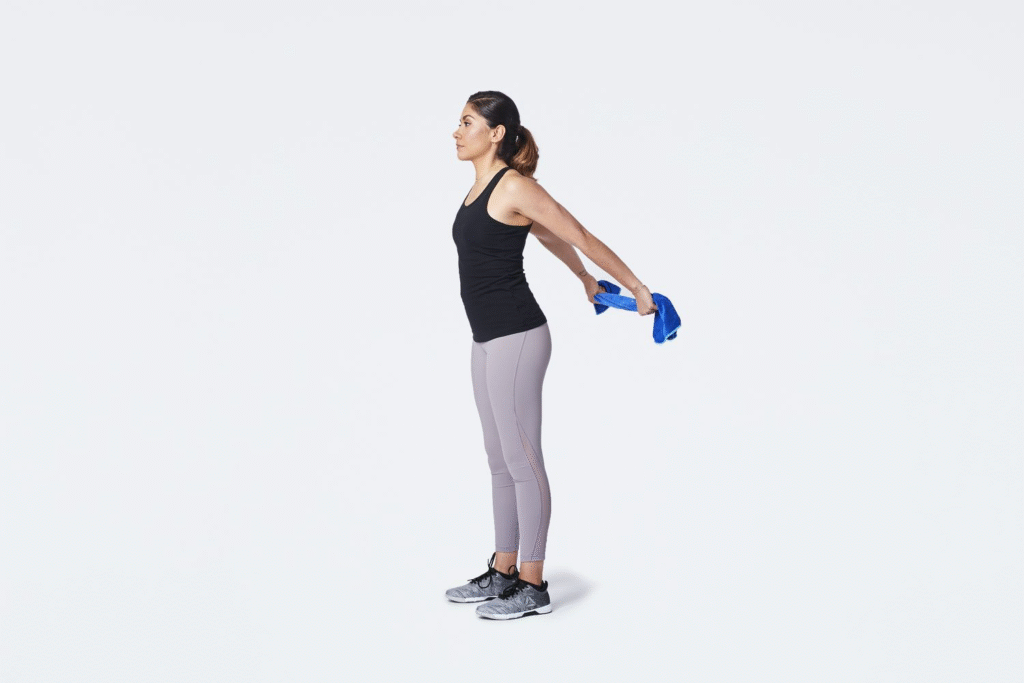
One of the main causes of bad posture is chest tightness. This stretch works on the pectoral muscles, which tend to shorten when you slouch. Lengthening those muscles provides room for your shoulders to fall back into alignment naturally. I experienced deeper breathing and greater shoulder movement after consistent practice. It also eliminates that caved-in appearance caused by technology use. Overall, it’s a necessity in fixing upper body alignment.
Don’t bounce or overstretch your arms—it should be a controlled, even movement. If there is pain in your shoulder or elbow joints, cut back on the range of motion or discontinue. Keep your chin level to prevent neck strain. Individuals with rotator cuff injuries need to be extra careful and consult an expert first.
Perfect for everyone with a rounded upper back or closed chest posture, particularly busy smartphone users. Dancers, athletes, and beginners in yoga also need this to improve flexibility and breathing.
Begin in push-up position with your forearms on the ground and elbows beneath your shoulders. Your body will be in straight line from head to heels. Pull in your core, do not sag hips, and hold for 20 to 60 seconds, depending on your strength. Do three sets with breaks in between. Use your glutes, thighs, and abs the whole time. Breathe regularly rather than holding breath. Gradually increase hold time over time.
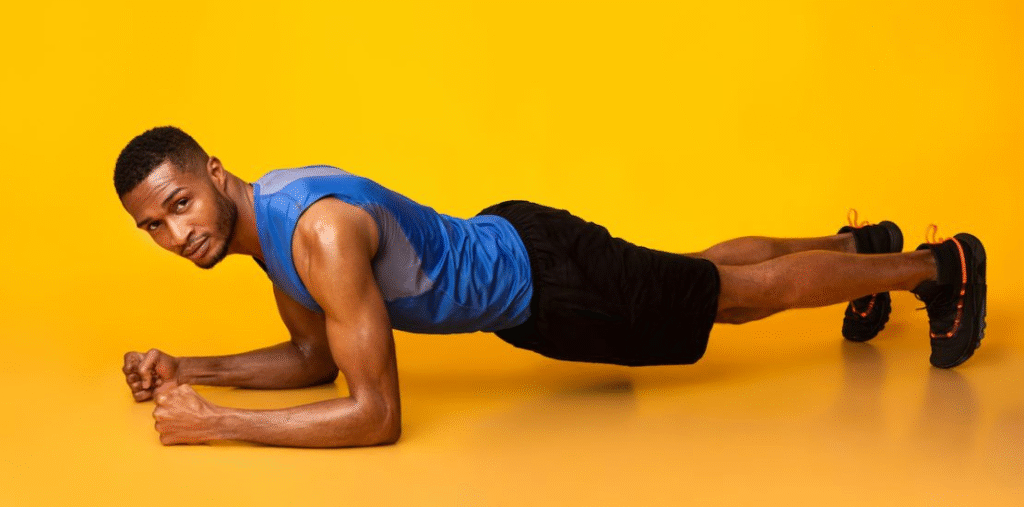
The plank is a strengthener improve posture exercise. It strengthens your core, which functions as a corset for your spine. When you have a strong core, you naturally stand and sit up taller. I used to slouch even when standing, but consistent planking remedied that. It also strengthens shoulder and lower back strength. Planking every day conditions your body to maintain your spine upright for extended periods of sitting.
If performed poorly, the plank can strain your lower back. Don’t let your hips sag or elevate your butt too much. Begin with shorter holds and work on form first. Individuals with wrist or shoulder problems might consider doing elbow planks instead.
Planks are for anyone seeking an overall posture improvement. From fitness beginners to pros, this one is a must if you are looking for long-term posture gains.
Start on your fours with wrists beneath your shoulders and knees beneath your hips. As you inhale, arch your back, lifting the tailbone and looking upward—this is the “cow” position. As you exhale, round your spine, tucking chin and pelvis—this is the “cat” position. Go slowly between the two positions for 10 to 15 repetitions. Coordinate your breath with each movement for optimal gain. Do it in the morning or before sleep.
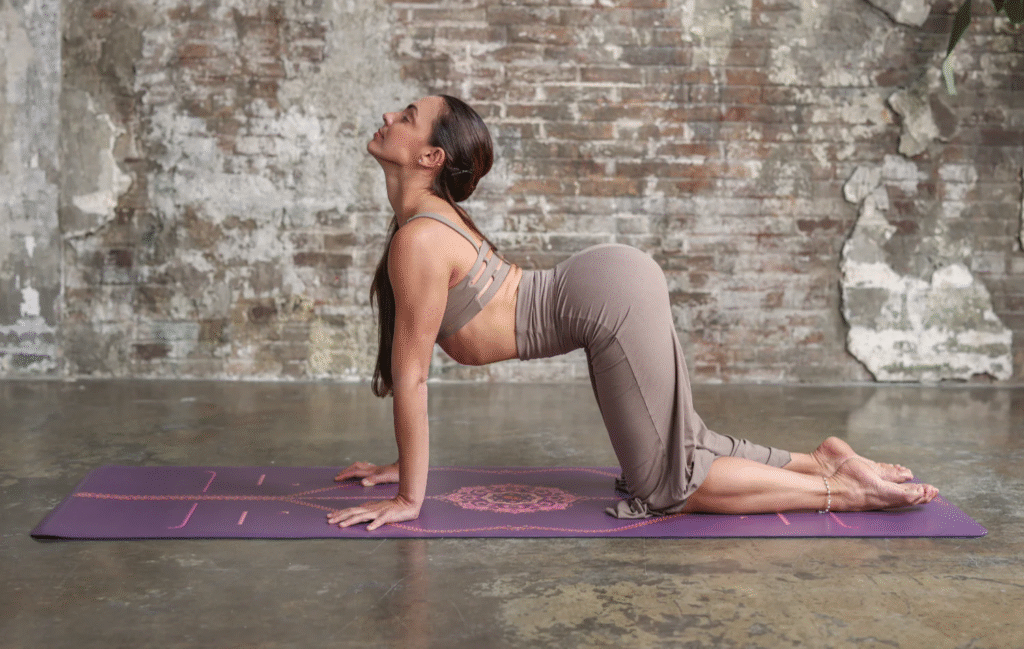
This stretch enhances flexibility in the spine and eases tension in the back. It balances the muscles that support your spinal column. I also found it particularly helpful on days when my back was stiff from sitting for too long. It mobility-stretches your vertebrae, which can ease stiffness and enhance your range of motion. This exercise also tightens the abs and back in a low-impact manner.
Don’t push yourself to move or bounce. If you have knee problems, put a towel or cushion under them. Neck issues? Simply keep your head level rather than looking entirely up or down. Go slow and take a break if something doesn’t feel right.
Ideal for anyone with back tightness or morning stiffness. It’s popular with yogis and beginners because it is so gentle.
Stand with the back flat against a wall, feet a couple of inches from the base, and lower back lightly against the wall. Bring your arms up to a 90-degree angle, as if forming a “goalpost” shape, and place your hands, elbows, and shoulders against the wall. Slowly raise your arms up like you’re making a snow angel, then bring them back down. Perform this motion 10 to 15 times. It may feel awkward at first, but it’s effective. Aim for two sets daily to see change over time.
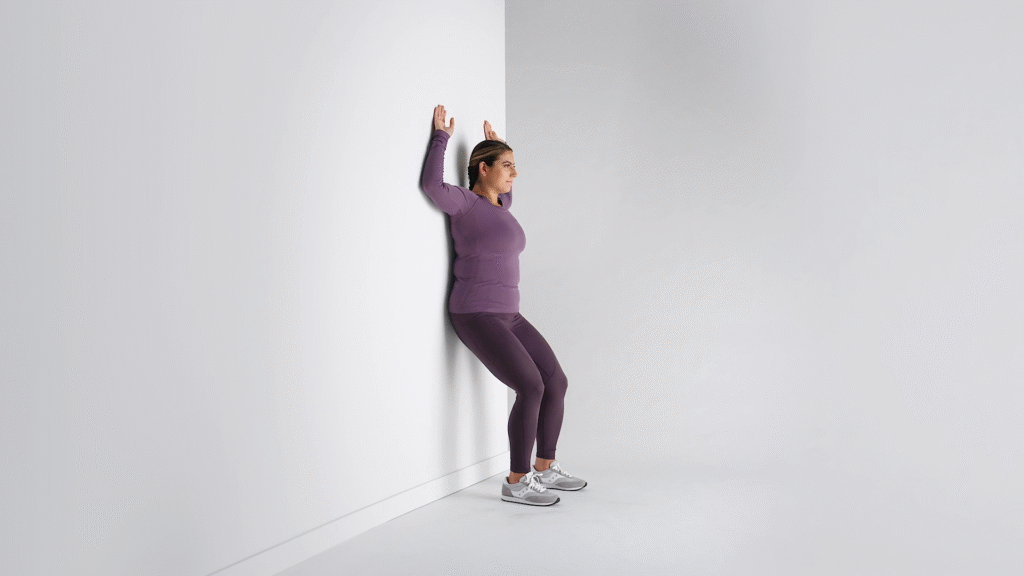
Wall Angels are among the most underappreciated posture exercises. They address upper back, shoulder stabilizer, and mid-spine mobility. Within a week or so, I noticed myself standing tall naturally without trying. It reverses the forward-slouch posture and makes you more aware of shoulder positioning. The movement also opens the chest and enhances scapular control. With practice, it develops endurance in the posture muscles.
If you can’t hold your arms and elbows on the wall at first, that’s fine. Move within your current range of mobility and don’t force them. Take care if you have shoulder impingements or recent injuries. It should be a gentle challenge—not hurting. Always move slowly and with control.
Anyone with rounded shoulders or a head-forward neck posture. This is perfect for office workers, teenagers who spend hours gaming or scrolling, and even athletes for shoulder recovery and postural equilibrium.
Stand up straight and lift one foot about halfway in front of you, heel toward the ground and toes pointed up. Hinge at the hips with a straight back and bend forward over the lifted leg. Rest your hands on your bent leg for balance. Hold for 20–30 seconds, feeling the back of your thigh stretch. Do the same on the other side. Do 2–3 sets per leg. Keep the back straight and do not round forward.

Tight hamstrings can tilt your pelvis back and distort your entire posture. Stretching them enables your hips to sit more in the middle. This enhances how your spine sits above the pelvis. I used to neglect my legs while working on correcting posture, but incorporating hamstring stretches made standing erect so much easier. It also inhibits lower back strain due to pelvic imbalance. Bonus? It increases flexibility and circulation in the legs.
Don’t bounce or jerk into the stretch—this can cause injury. Those with lower back problems should make sure they are hinging at the hips, rather than bending the spine. If balance is problematic, have a chair or wall nearby for support. Never stretch to pain level—just a deep, sustained tension is sufficient.
Individuals who spend long amounts of time sitting—office workers, drivers, students. This is also great for athletes, particularly runners and bicycle riders who depend greatly on toned leg muscles.
Sit or stand upright with your shoulders relaxed. Pull your chin straight back (not down) to create a “double chin” look. Hold for 5 seconds, then relax. Repeat this motion for 10 to 15 reps. Try doing it against a wall to help feel the alignment. This small movement targets deep neck flexors. Make it a habit during your screen time breaks.
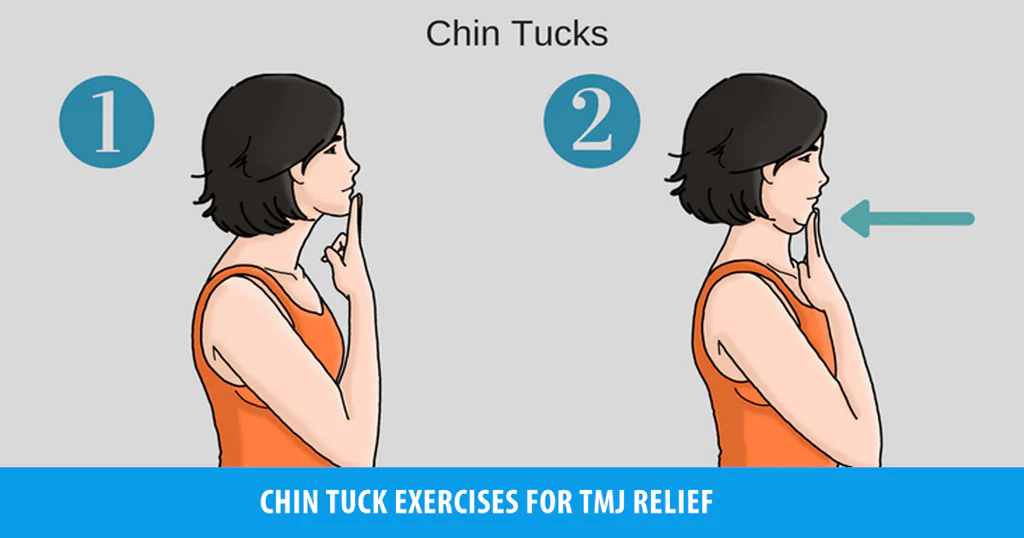
Forward head posture is one of the leading causes of upper back and neck pain. Chin tucks re-train your neck to rest over your shoulders rather than jutting out. I noticed a huge difference within a week—the strain in my neck that I used to believe was permanent began to subside. It strengthens the weak muscles and reverses that “text neck” appearance we all despise. And your profile and head alignment are significantly improved with regularity.
Don’t lower your head or push the movement too fast. The movement must be slight. If you are dizzy, stop right away and see a specialist. Keep your shoulders down and back while you’re moving. Don’t overdo it—use short, frequent sessions.
This is a total game-changer for anyone who is always glued to their phone or laptop. Students, office staff, and anyone who has perpetual neck strain must include chin tucks in their daily routine.
Begin on hands and knees with your hands under your shoulders and knees under your hips. Lift your right arm and left leg at the same time, keeping them in front of your body. Hold for a few seconds, return to starting position, and then change sides. Do 10–12 reps each side. Keep it slow and stable and engage your core the whole time. Don’t twist or arch your back.
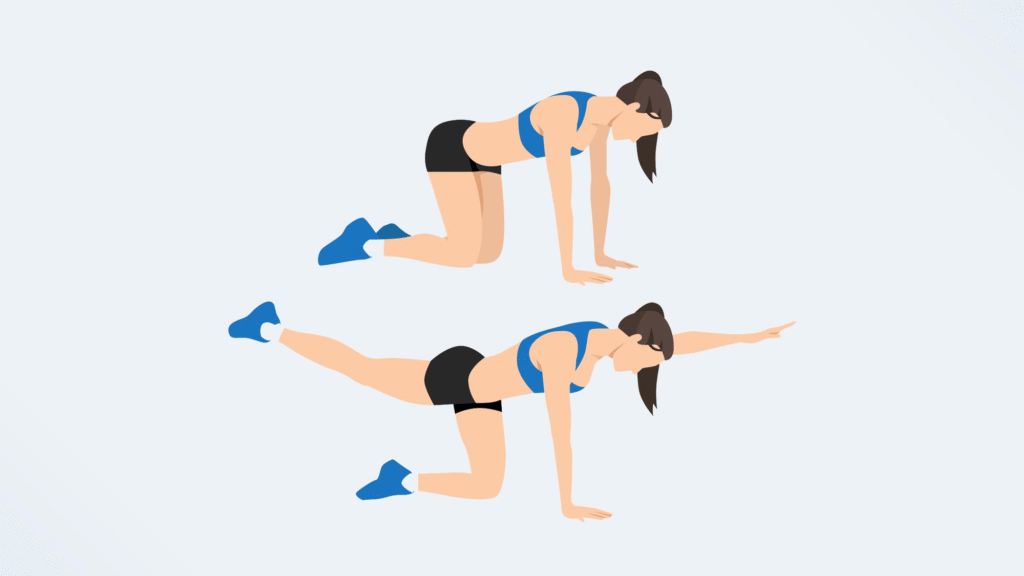
Bird Dog enhances coordination, balance, and posture of the spine—gaining all three is important for improved posture. It engages the glutes, lower back, and core stabilizers deep within the muscles. I discovered that it straightened me out even after hours of sitting at my computer. It’s a dynamic movement that conditions your body to self-stabilize. This exercise helps teach muscle control and awareness, which are important for holding posture unconsciously throughout your day.
Don’t swing your limbs or blast through the reps. When you lose balance, slow down and re-established. Keep your hips level—tilting indicates your core is not engaged. If your wrists hurt, do it with a folded towel under your hands or do it on fists.
Ideal for individuals with weak core muscles or anyone who has just recovered from lower back pain. It’s particularly wonderful for seniors and beginners looking to develop basic stability.
Lie on your stomach with hands under shoulders. Push onto palms to raise chest, keeping hips anchored. Only come up as high as comfortable. Hold 15–30 seconds, then slowly lower back down. Repeat 5–10 times. Don’t push through pain—your lower back should stretch, not ache. Breathe fully while moving.
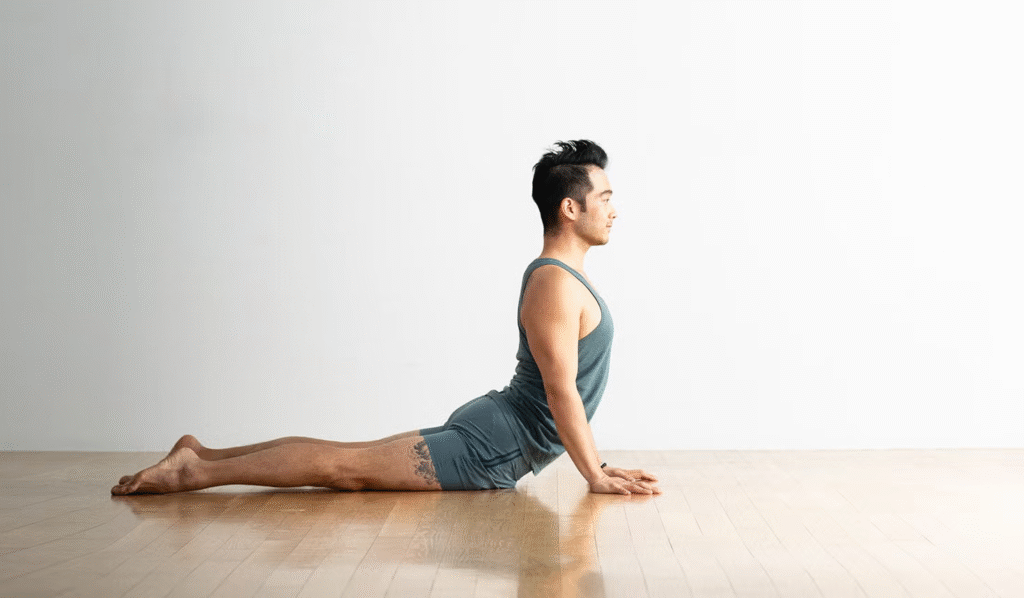
This traditional yoga stretch encourages spinal extension and reverses slouching. It’s particularly beneficial for individuals like me who spend hours a day sitting. It opens up the chest and front body and also relieves tension in the lower back. With consistent practice, cobra pose increases spinal flexibility and strength. It also serves to decompress the spine very gently.
Those with herniated discs or severe lower back problems should avoid this or talk to a medical professional. Don’t hyperextend the spine—stop when it feels comfortably hard. Use your glutes to stabilize the lower back. Never hold your breath during this stretch.
Ideal for office workers, individuals with sedentary lifestyles, or individuals with tight abdominals and chest muscle. It’s very gentle but extremely beneficial for spinal health.
Sit or stand upright with your arms relaxed. Roll your shoulders forward in a circular motion for 10 reps, then backward for another 10. Move slowly and deliberately. Focus on engaging your shoulder muscles and loosening tension. This can be done every few hours during breaks. It pairs well with deep breathing for added stress relief.
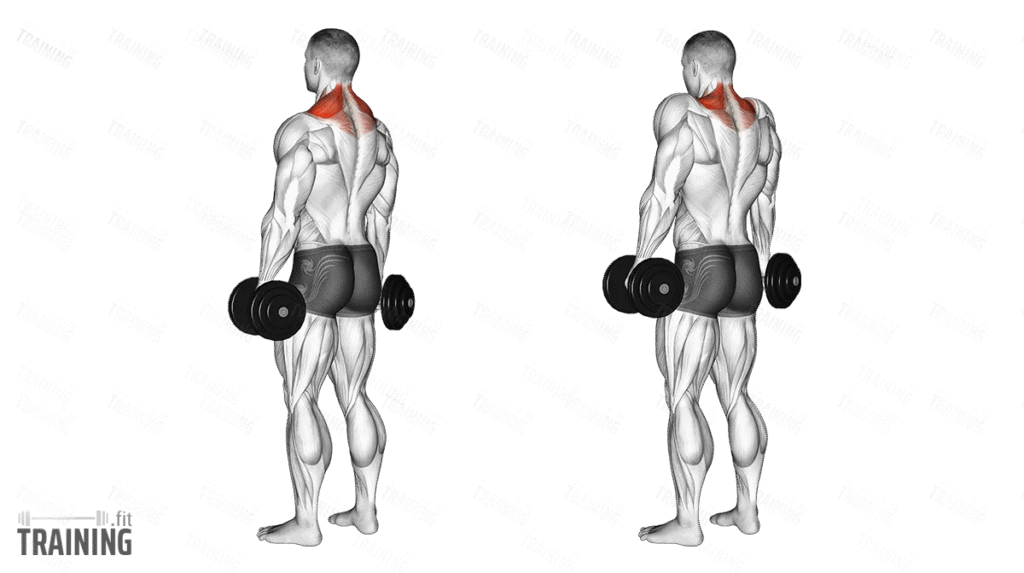
Shoulder rolls enhance range of motion, circulation, and upper-body tension release. They’re ideal to reset your posture during the afternoon. I utilize this one particularly for use during Zoom calls—it’s subtle and effective. It keeps your shoulders naturally positioned, healthily, with repeated use over time. Additionally, it’s an easy way to relieve stiffness and give your energy a boost.
Don’t shrug your shoulders quite so high—aim for a round, smooth motion. Don’t roll quickly or jerkily, as this will actually build tension up, not release it. If you experience stinging pain, decrease your range of motion. Always hold your spine straight during this.
Everybody. Seriously. This is an across-the-board fix posture tool—students, office workers, athletes, parents—anybody can use this regularly to their benefit.
Correcting posture isn’t a miracle that happens overnight—it’s an ongoing process. But based on my experience, these ten improve posture exercises really did make a tangible difference in the way I stand, walk, and even breathe. Adding even a couple of these movements to your daily routine can help you correct posture, alleviate pain, and gain confidence overall. Whether you are struggling with chronic slouch at the desk or simply want to be taller, more upright, these exercises are a good, human-tried starting point.
Can posture be improved at any age?
Yes. Whether you are 18 or 80, your posture can be improved through the right movements and regular practice.
How long does exercise take to correct posture?
It depends on how consistent you are. You will start seeing minor improvements in 2–4 weeks with daily practice, but lasting changes will typically take a couple of months.
Does poor posture really cause pain?
Absolutely. Slouching can cause headaches, back pain, neck tension, and even digestive problems over time.
Is walking beneficial to posture?
Yes! Walking mindfully—shoulders back, head held high, core tight—is an excellent way to support good posture habits.
Do I need to do all of these exercises every day?
Not necessarily. You can cycle them, doing 4–5 a day and blending them according to your schedule and body requirements.

Share your details, and we will get back to you shortly!
This will close in 0 seconds
Share your details, and we will get back to you shortly!
This will close in 0 seconds